
Antique Firearms in Houston, TX

Antique firearms are generally distinguished by their date of manufacture and applicable legal definitions, but classification alone does not determine collecting significance. Collectors should also examine authenticity, condition, originality, rarity, provenance, historical context, documentation, and the laws that apply to the particular firearm.
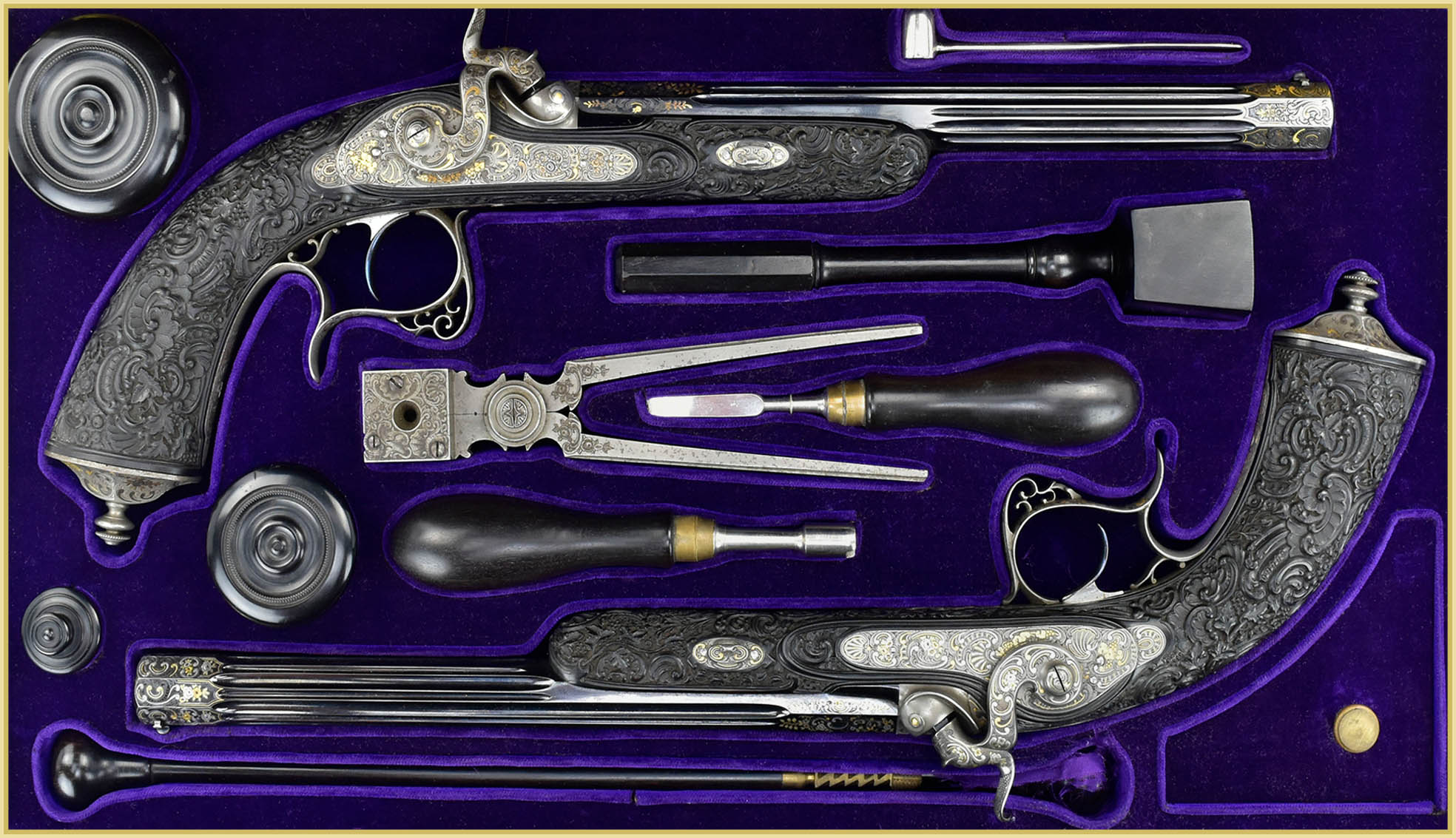
For collectors and history enthusiasts, antique firearms can represent far more than an old object. Its markings, construction, manufacturing history, and connection to a particular period can provide clues about how it was made and used. Research is therefore an important part of understanding any historical firearm.
What Are Antique Firearms?
The term “antique firearm” has a specific meaning under federal law, and the legal classification can depend in part on when and how the firearm was manufactured. Certain older firearms may fall within the federal definition of an antique, while others that appear similarly old may be treated differently.
Manufacturing date matters, but it should not be the only factor considered. Design, ignition system, modifications, and other characteristics can affect classification. State and federal requirements may also apply differently depending on the firearm and transaction.
For that reason, collectors researching antique firearms in Houston should verify the applicable classification rather than if age alone determines legal status.

Types of Antique Firearms Collectors May Encounter
What Makes an Antique Firearm Collectible?
There is rarely one characteristic that determines whether a firearm is historically interesting to collectors.
- Age: Earlier manufacture can provide historical context, although age alone does not establish rarity.
- Rarity: Limited production or surviving examples can make an item more difficult to encounter.
- Manufacturer: Certain makers may have historical.
- Originality: Certain identification, materials, and conditions of the object can be essential.
- Condition: Wear, damage, corrosion, repairs, and alterations can affect historical integrity.
- Provenance: A documented ownership or historical record can add context.
- Documentation: Records, references, and other supporting materials can help establish identity and history.
Matching components and identifiable markings can also help researchers understand whether a firearm remains substantially original or has undergone modifications.
Finding Antique Firearms in Houston, TX
People researching antique guns in Houston, TX may encounter dealers and collectors with different areas of expertise. When evaluating a local source, look for clear information about historical context, identification, condition, originality, and provenance.
A knowledgeable dealer should be able to distinguish between what is documented and what remains uncertain. That distinction matters when researching historical objects.
Why Choose Collectors Firearms?
Collectors Firearms has served the Houston firearms-collecting community since 1975, giving it a long history in the field of collectible and historical firearms.
For someone researching antique firearm dealers in Houston, experience with collectible firearms can be useful when questions involve markings, originality, condition, historical context, or provenance.
Collectors and enthusiasts can use professional knowledge as one part of their research while consulting appropriate legal and historical sources for questions that require authoritative confirmation.
Antique Firearms in Houston — What Should Collectors Consider?
Before drawing conclusions about an antique firearm, consider the complete picture: authenticity, condition, originality, rarity, historical significance, provenance, documentation, and legal classification.
An old firearm with an interesting appearance is only the starting point. Its markings may reveal its manufacturer; its construction can provide clues about its period; documentation may strengthen its provenance; and signs of modification may change how collectors understand its originality.
This combination of evidence is what turns an ordinary interest into an informed collection. For a person doing research on historical firearms in Houston, knowing the details of the research can be the difference between knowing about an old firearm and the significance of that firearm.
FAQs
Subscribe to our newsletter