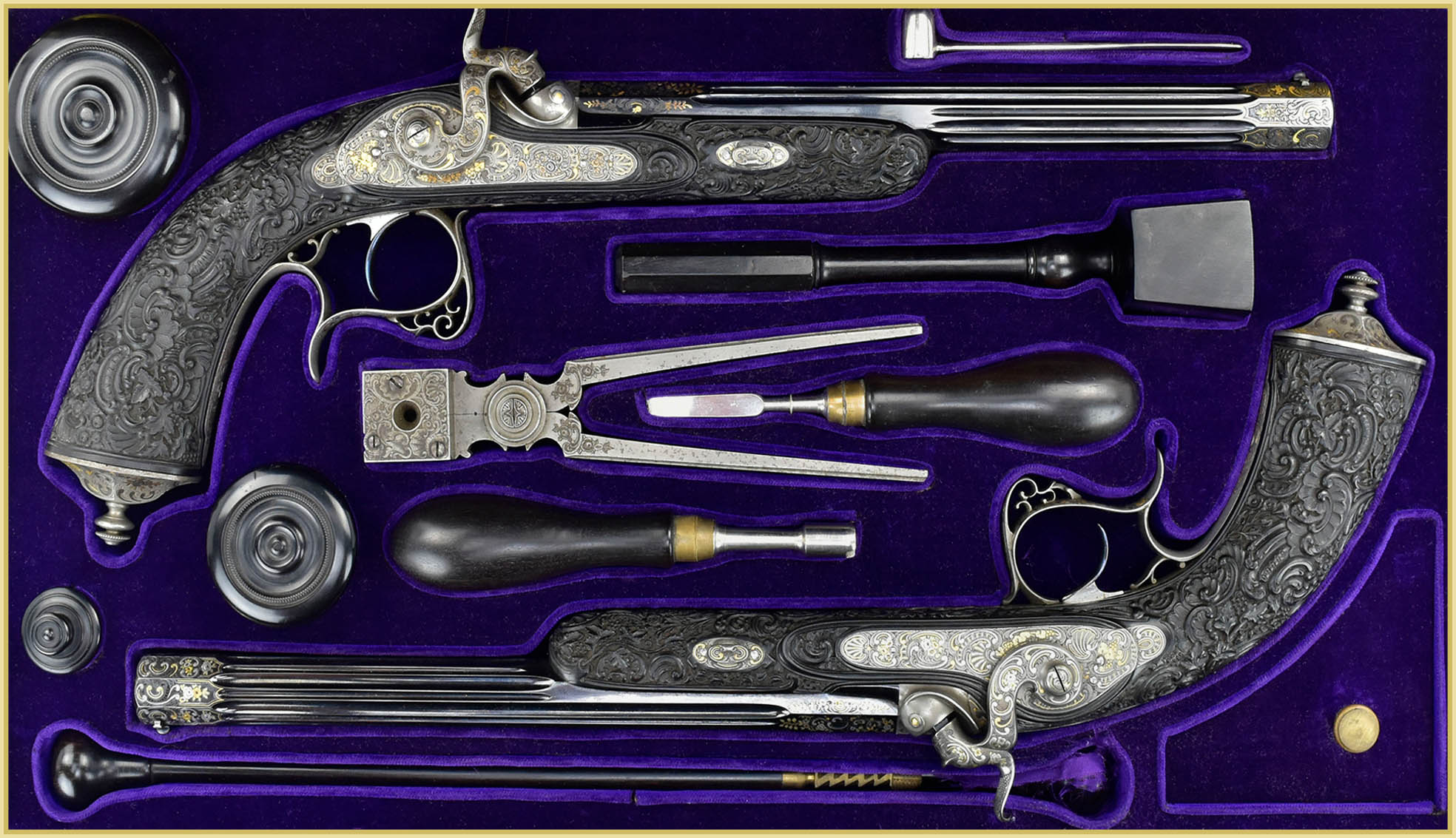

What Is a Gun Broker? Understanding the Role of Firearm Brokers
Key Takeaways
- A gun broker can act as an intermediary between firearm owners, collectors, dealers, and other parties involved in a lawful transaction.
- A firearm broker may assist with identifying items, evaluating listings, coordinating documentation, and facilitating communication between parties.
- Brokers and traditional dealers do not necessarily perform the same role, and licensing requirements can vary depending on their activities and jurisdiction.
- Collectors should pay close attention to provenance, condition, documentation, applicable laws, and transaction terms when evaluating collectible firearms.
- Federal and state regulations can affect firearm transactions, making compliance an important consideration when working with any firearm professional.
The firearms market includes more than manufacturers and retail dealers. Collectors may also encounter brokers who help connect buyers, sellers, dealers, estates, and other parties with an interest in particular firearms.
The term “gun broker” can sound straightforward, but the role varies. Some brokers specialize in collectible or historically significant firearms, while others may facilitate transactions involving broader categories of firearms. Understanding what a broker does can help collectors distinguish brokerage services from traditional dealership operations.
What Is a Gun Broker?
A gun broker generally serves as an intermediary in a firearms transaction or collection-related matter. Rather than operating solely as a conventional retailer, a broker may connect interested parties and assist with aspects of the transaction.
What these responsibilities might entail is contingent on the nature of the broker’s business and the relevant laws. For example, the broker might assist in locating a certain collectible, communicating with various parties, gathering information about an item, or working with the duly licensed companies.
This distinction is crucial due to the special requirements for firearms transactions at federal, state, and local levels. The ATF issues guidelines pertaining to firearms’ licensing and regulated activity at the federal level, which must be considered when establishing the requirements applicable to the situation.
What Services Can a Firearm Broker Provide?
Brokerage services can differ considerably from one business to another.
A broker working with collectors may assist with:
- Identifying potentially relevant firearms or collections
- Researching historical or market information
- Communicating between interested parties
- Reviewing available listing information
- Coordinating with licensed dealers where required
- Organizing documentation associated with an item
- Helping collectors understand transaction terms
A broker is not necessarily responsible for every part of a transaction. Licensing, transfer, shipping, background-check, and other legal requirements depend on the circumstances and jurisdiction.
Collectors should therefore establish exactly what services a broker provides before engaging with one.
Gun Broker vs. Traditional Firearms Dealer
A gun dealer typically operates as a licensed firearms business engaged in activities covered by applicable federal and state law. A broker may instead focus on connecting parties or providing intermediary services, although the legal classification depends on what the business actually does.
The distinction is not simply about terminology. A business that engages in activities requiring a federal firearms license must comply with the applicable requirements.
Collectors should avoid if a business’s use of the word “broker” determines its legal obligations.
How Brokers Work with Collectors
Collectors often have interests that extend beyond commonly available firearms. They may be looking for a particular manufacturer, historical period, configuration, documented provenance, or example associated with a significant event.
A broker can sometimes be useful when a collector’s requirements are unusually specific. Rather than relying solely on publicly visible inventory, the broker may draw on industry relationships and knowledge of the collectible market.
That does not remove the need for independent evaluation. A collector should still consider authenticity, condition, provenance, documentation, and applicable legal requirements before proceeding with any transaction.
Firearm Listings and Document Evaluation
Collectible firearms can carry value based on factors that are not immediately apparent from photographs.
Condition is one consideration. Original components, modifications, markings, historical documentation, provenance, rarity, and authenticity may also influence how an item is evaluated.
Documentation deserves particular attention. Descriptions should be consistent with available records and claims about historical significance should be supported where possible.
Collectors should be cautious when a listing relies heavily on vague claims or offers limited information about an item’s history. Clear photographs, specific descriptions, relevant documentation, and transparent terms provide a stronger basis for evaluation.
Understanding Fees and Transactions
Brokerage arrangements can involve different fee structures. A broker may charge a commission, service fee, or another agreed amount depending on the work performed.
Before entering an arrangement, clarify what the fee covers and when it becomes payable. It is also important to understand which party is responsible for any dealer, shipping, transfer, appraisal, or other applicable costs.
Legal compliance should remain separate from assumptions about a broker’s role. Federal, state, and local requirements can apply to different aspects of a firearms transaction, and the parties involved should ensure that the appropriate licensed professionals handle regulated activities.
Working With Collectors Firearms
Collecting firearms of historical importance or any that are deemed collectible requires interacting with a reliable and reputed seller who will be able to provide specialized expertise and a larger number of products. Collectors Firearms serves collectors looking for firearms of importance in terms of history, technology, or collecting, helping those who are interested in items or thinking whether to enrich their collections with new acquisitions.
When considering a purchase, collectors should still examine the firearm’s condition, authenticity, provenance, available documentation, and transaction requirements. A knowledgeable firearms professional can help explain the characteristics of an item and provide context, but independent due diligence remains important.
For collectors comparing listings or looking for a particular type of firearm, the process should begin with clearly defining what they are seeking. Manufacturers, model, production period, condition, originality, historical association, and documentation can all affect how a collectible firearm is evaluated.
FAQs
What does a gun broker do?
What is the difference between a gun broker and a gun dealer?
What should I ask a gun broker before working with one?
How do firearm brokers work with collectors?