Tag Archives: gun shop

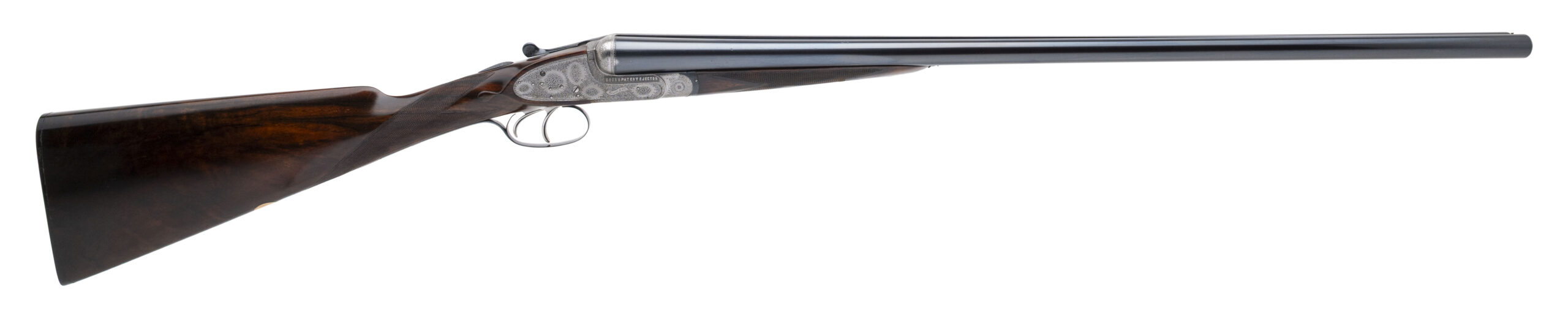
collectorsfirearms.com boss co 12 gauge best shotgun l2025 12515 bss 8755 scaled

Best Affordable Shotguns for Home Defense Available in Houston Right Now

For a first-time firearm buyer, choosing the right home defence shotgun might be a tough task. With so many models on the market today available at every Gun Shop, a lot of Houston residents want to find economical, reliable solutions that deliver good performance without costing a fortune.

Fortunately, there are a few trusted models that stand out for their durability, ease of use, and pricing. Knowing what makes a shotgun good for home defence can help you make a better decision, whether you are shopping at a local gun shop or looking at shotguns for sale online.

What is a Good Home Defence Shotgun?

A good home defence shotgun bought to be reliable, easy to use and easy to handle. Buyers want something simple and reliable, not complicated features.

Some of the most crucial factors are:

  • Reliable feeding and action system
  • Recoil manageable
  • Affordable ammo, readily available
  • Reputation for excellent durability

Firearm experts consistently rank pump-action shotguns among the most trusted options for home defence, citing their reliability and ease of maintenance.

Mossberg 500

The Mossberg 500 is one of the most affordable home defence shotguns on the market, standing out for its ambidextrous safety, tool-free disassembly, and one of the largest aftermarket accessory ecosystems of any pump shotgun, making it ideal for buyers who want to customize over time.

The Mossberg 500 is a favorite since it is extremely reliable and inexpensive. The simple controls and wide aftermarket support will also be appreciated by beginners.

Many Houston consumers looking for shotguns for sale consider the Mossberg 500 a popular choice because replacement parts, accessories and ammo are readily available.

Remington 870

Another trustworthy choice is the Remington 870, which you can find at any respectable gun shop. Its steel receiver and dual action bars give it a noticeably solid, smooth feel, and its 7-round capacity makes it one of the higher-capacity options available in this price range.

The Remington 870 has a reputation for being well-built, operating smoothly and lasting a long time. It’s a versatile purchase for first-time owners since it performs well for both home defence and leisure shooting.

The Remington 870 is a popular choice among buyers seeking reliable classic firearms because of its long-standing reputation and established performance history.

Maverick 88

For those on a limited budget, the Maverick 88 is widely regarded as one of the best entry-level home defence shotguns available today. Manufactured by Mossberg, it shares the same core mechanics as the 500 but strips away extras to hit a significantly lower price point, making it the smartest pick for budget-conscious buyers who don’t want to compromise on reliability.

The Maverick 88 is manufactured by Mossberg and is identical in design to the Mossberg 500, but is affordable. It shares the same proven mechanics as the Mossberg 500 but strips away extras to hit a lower price, making it the smartest pick for budget-conscious buyers who don’t want to compromise on reliability.

Many Houston handgun buyers find the Maverick 88 to be a great option for good home defence performance at a low financial cost.

Winchester SXP Defender

The Winchester SXP Defender has earned recognition for its fast-cycling action and lightweight handling. Its rotating bolt and chrome-plated chamber make it notably easier to clean and more resistant to fouling, a practical advantage for owners who shoot frequently or store the firearm for extended periods.

Its smooth pump action and pleasant ergonomics make it a good choice for expert shooters and beginners alike searching for reliable home protection.

Buy New or Used?

Many gun purchasers walk into a gun shop intending to buy a brand-new shotgun, but second-hand firearms can be great value, too. Well-cared-for old shotguns can perform as well as new ones, but for a fraction of the price.

Buyers considering used or pre-owned defensive shotguns should inspect:

  • Barrel condition
  • Rust or corrosion
  • Action smoothness
  • Trigger performance
  • Signs of excessive wear

Most reputable dealers will check and service used guns before offering them for sale, adding another layer of buyer confidence.

Things to Think About Before You Buy

It is wise for purchasers to look at more than pricing before they buy any home defence shotgun. A shotgun should be comfortable to hold, work well, and should fit the experience level of the user.

When looking for shotguns for sale, consider recoil, barrel length, ammunition capacity, and ease of handling. Visiting a local gun shop gives you the chance to handle several models before committing to a final decision.

Proper training and careful storage of firearms are just as crucial. The best shotgun is useless if the user doesn’t know how to use it properly and responsibly.

Final Thoughts

Affordable home defence shotguns remain one of the most practical firearm choices for Houston homeowners seeking dependable protection. Models such as the Mossberg 500, Remington 870, Maverick 88, and Winchester SXP Defender still stand out for their durability, affordability, and proven performance.

Whether you’re browsing online or visiting a trusted Houston gun shop, the right shotgun fits your hands, suits your experience level, and gives you confidence, because in a home defence situation, confidence is everything.
Firearm Condition Grades

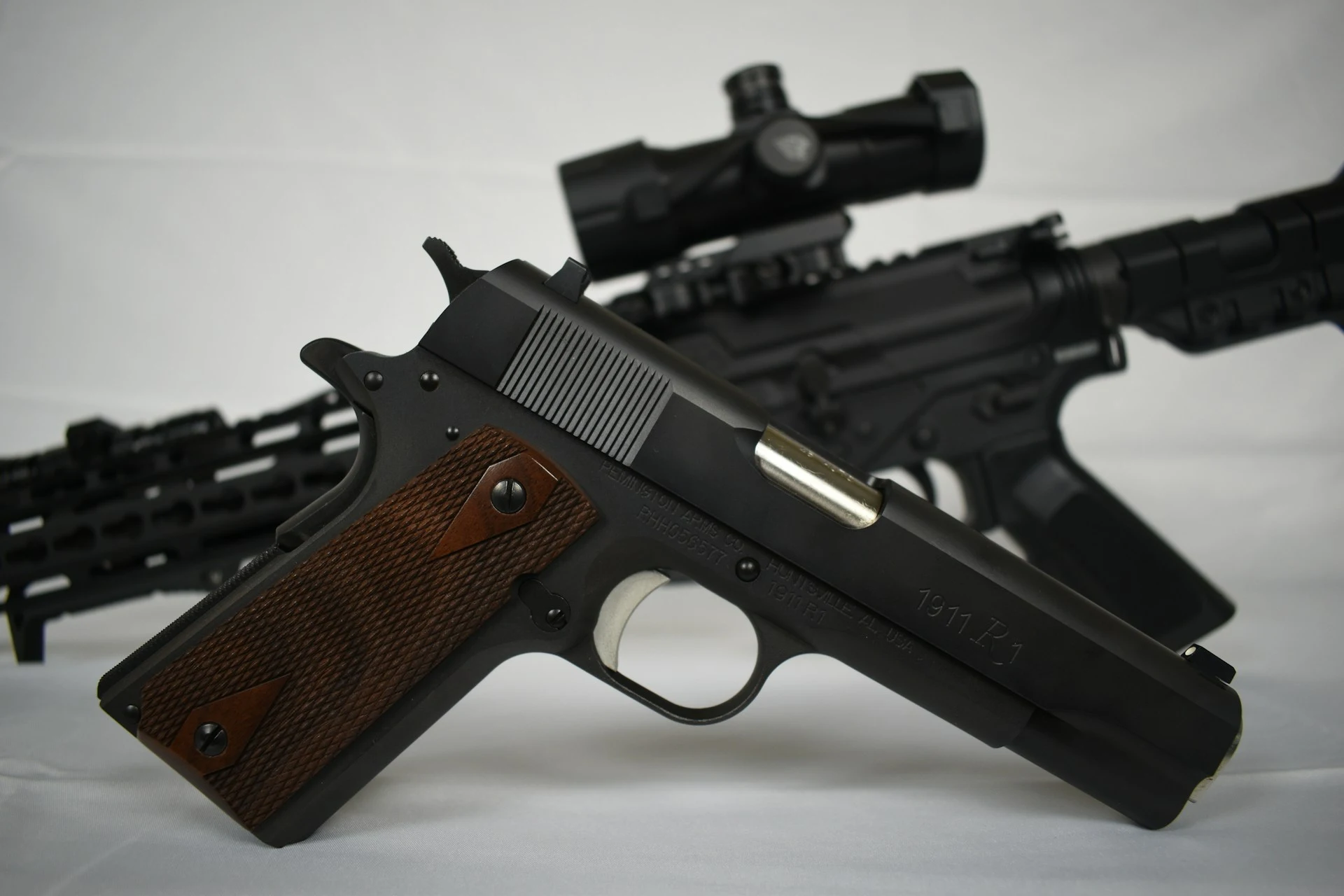
Understanding Firearm Condition Grades: What ‘Good,’ ‘Fine,’ and ‘Excellent’ Really Mean

One of the first things you will notice when browsing for used or collectible firearms is the condition grade given in the description. Words like “Good,” “Fine,” and “Excellent” are common in just about every gun shop, firearm auction, and internet marketplace. These grades look simply, but many customers have a misconception of what they stand for.

The condition of a firearm has a direct impact on its value, collectability, dependability, and long-term investment potential. Understanding firearm condition grades is vitally important. If you are buying modern guns for practical use, or you are looking for rare antique firearms, knowing how grading works will help you make better buying decisions and not overpay.

Why Firearm Grading Matters

Firearm grading is here to bring consistency between buyer and seller. Used firearms will naturally acquire wear over time. Grading standards assist in characterizing the overall condition of a handgun in a more consistent fashion.

Most grading systems consider such factors as:

  • Original finishing condition
  • Mechanical robustness
  • Barrel and bore condition
  • Rust/corrode
  • Signs of modifications or substituted components

This information is used by dealers and collectors to judge the market value and historical or practical value of a firearm. The NRA grading system is a standardized language used throughout the industry to evaluate the condition of used weapons.

What “Good” Condition Really Means

First-time buyers may be confused using the word “Good” as it doesn’t necessarily mean excellent quality in the gun grade system. In fact, “Good” frequently indicates the handgun displays visible wear from long-term use.

Good condition firearms may show some noticeable finish loss, scratches, dents, worn grips, or some slight rust. Some guns in this category may also have replacement or non-original parts.

Most firearms in good condition are still functional and safe if properly maintained, despite cosmetic degradation. Buyers seeking inexpensive firearms, rifles for restoration projects, or useful range guns typically choose this category because of the lower price.

But the newbie should have good condition firearms properly inspected before purchase. Excessive internal wear or insufficient maintenance might lead to reliability problems or future repair expenses.

Understanding “Fine” Condition

One of the most typical grades you will find in a gun shop is the “Fine” grade. These rifles are in very good condition and totally operable with minor signs of regular use.

Fine – firearms in fine condition may exhibit light wear on the finish, small scratches or slight handling marks around edges and moving parts. Despite these cosmetic problems they are generally good mechanically and reliable for frequent shooting activity.

For most purchasers, fine-grade guns represent the best of both worlds: affordability and quality. They are often more affordable than good-condition weapons while still offering solid function and looks.

This category is notably popular among recreational shooters and hunters who care more about performance than collector-grade looks.

What “Excellent” Condition Means

A firearm labelled “Excellent” is regarded as very near original manufacturing condition. These firearms will normally maintain most of their original finish and little indications of handling or storage.

A firearm in excellent condition will typically have:

  • Minimal cosmetic wear
  • Good mechanical properties
  • Inner components Clean
  • Minor scratches or handling marks.

Collectors of vintage weapons frequently want those in great condition, as originality and preservation add significantly to value. The firearms in this group are frequently harder to find and consequently usually cost a premium price.

Even firearms in great condition should be carefully inspected. Of course, the age, the circumstances of storage, and the internal wear can show you things not immediately evident from outside.

This is especially relevant when evaluating good-condition firearms, where replacement parts or refinishing may have already compromised originality.

Why Originality Matters for Classic Firearms

Originality is one of the most important criteria impacting value when analysing historic firearms. Collectors in general want guns that have their original finish, factory parts, and matching serial numbers.

Even minor changes can affect collector interest and market value. For example, polishing the metal or replacing original grips may enhance appearance but reduce historical authenticity.

For this reason, serious collectors typically consult knowledgeable dealers, firearm historians, or professional appraisers before acquiring rare pieces.

The Importance of Inspection Before Buying

Whatever the stated condition grade, all classic firearms should be thoroughly examined before purchase. Grading standards may vary slightly between sellers, and photos may not always show hidden faults.

When examining a gun shop, purchasers should inspect the entire mechanical function of the firearm, including the condition of the barrel, the operation of the trigger, and the safety systems. It’s also necessary to check for rust, cracks, loose parts, or signs of faulty repairs.

If buying remotely, ask for close-up images and inquire about maintenance history, modifications, and functionality before making a purchase.

Final Thoughts

If you buy used or collect firearms, you need to understand weapon condition grades. Words such as “Good,” “Fine,” and “Excellent” are more than adjectives – they immediately impact value, reliability, collectability, and resale potential.

Whether you’re browsing a local gun shop or sourcing rare antiques online, understanding condition grades gives you the confidence to buy smart, negotiate fairly, and avoid costly mistakes. A quick inspection and a working knowledge of grading standards are two of the most valuable tools any firearm buyer can carry.

History of Antique Firearms

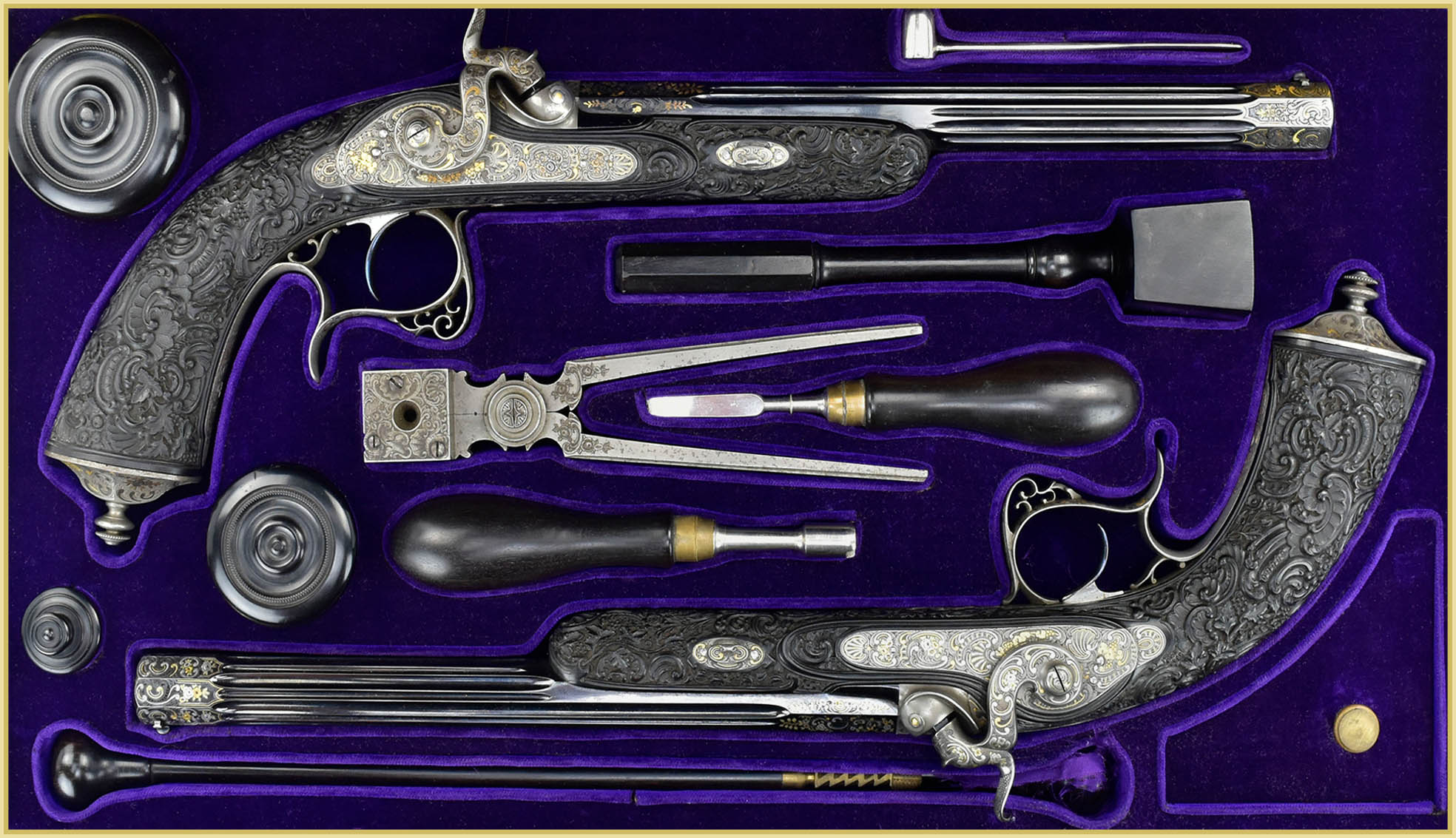
History of Antique Firearms: Key Eras and Design Evolution

Antique guns shows the evolution of weapons, materials, craftsmanship, and design needs. For instance, prior to the shift to mass production, gunsmiths were meticulously crafting firearms to meet the specific needs of the local market, enhancing them through experience-based knowledge rather than theoretical understanding. This procedure led to the emergence of certain features that collectors and historians alike now study.  

Comprehending antique firearms history offers a more comprehensive perspective on individual items. It indicates that design was based on the era’s limitations and aspirations and explains why some mechanisms appeared and others disappeared. 

Early Hand Cannons and Matchlock Beginnings 

The late medieval ages brought firearms to Europe in their most primitive form. For all intents and purposes, the first-hand cannons were simply very basic metal tubes, roughly aimed and shot with the help of an external flame. The precision of these early cannons was extremely low; however, the concept still brought about a significant and irreversible change in warfare. 

The most significant invention for the weaponry was the lock fire system.  

The slow-burning match was first used for baking powder; then, it was simple to handle and fire, and the number of shots fired could be more than one. Although matchlocks worked the same way but were very inconvenient at the time, they did take the use of well-trained troops and uniform drilling to the next level. 

Guns of this era were made for function, not looks. Most of the gun parts were produced manually, which caused significant differences even among the same models. 

Wheel-Lock Innovation and Mechanical Complexity 

The wheel-lock mechanism brought in mechanical ignition, which resulted in the spring-driven wheel making sparks instead of an open flame. It was possible to carry guns with powder and ball inside without the necessity of an open match, and this made them convenient for horsemen and civilians. 

Nevertheless, wheel-locks were costly and very complicated. Their elaborate systems needed very skilled craftsmen and continuous servicing. Therefore, wheel-locks were often associated with wealthy or high-class individuals rather than the armies that used the guns in large quantities. 

Collectors today appreciate the wheel-lock guns for their technical complexity and scarcity. 

The Flintlock Era and Widespread Adoption 

The flintlock ignition device was a faithful, simple, and multipurpose tool that kept the market largely unmoved from the 17th century up to the early 1800s. The main changes that contributed to “the long-lived” products of that era were:  

  • Higher lock reliability  
  • The military models being standardised  
  • More attention paid to balance and handling  

Firearms of that time have undergone a transformation from being experts’ instruments to common tools. The combination of local materials and the artists’ cultural background shaped new regional styles. Many of the most valuable antique firearms emerged during this period. 

Percussion Systems and Industrial Transition 

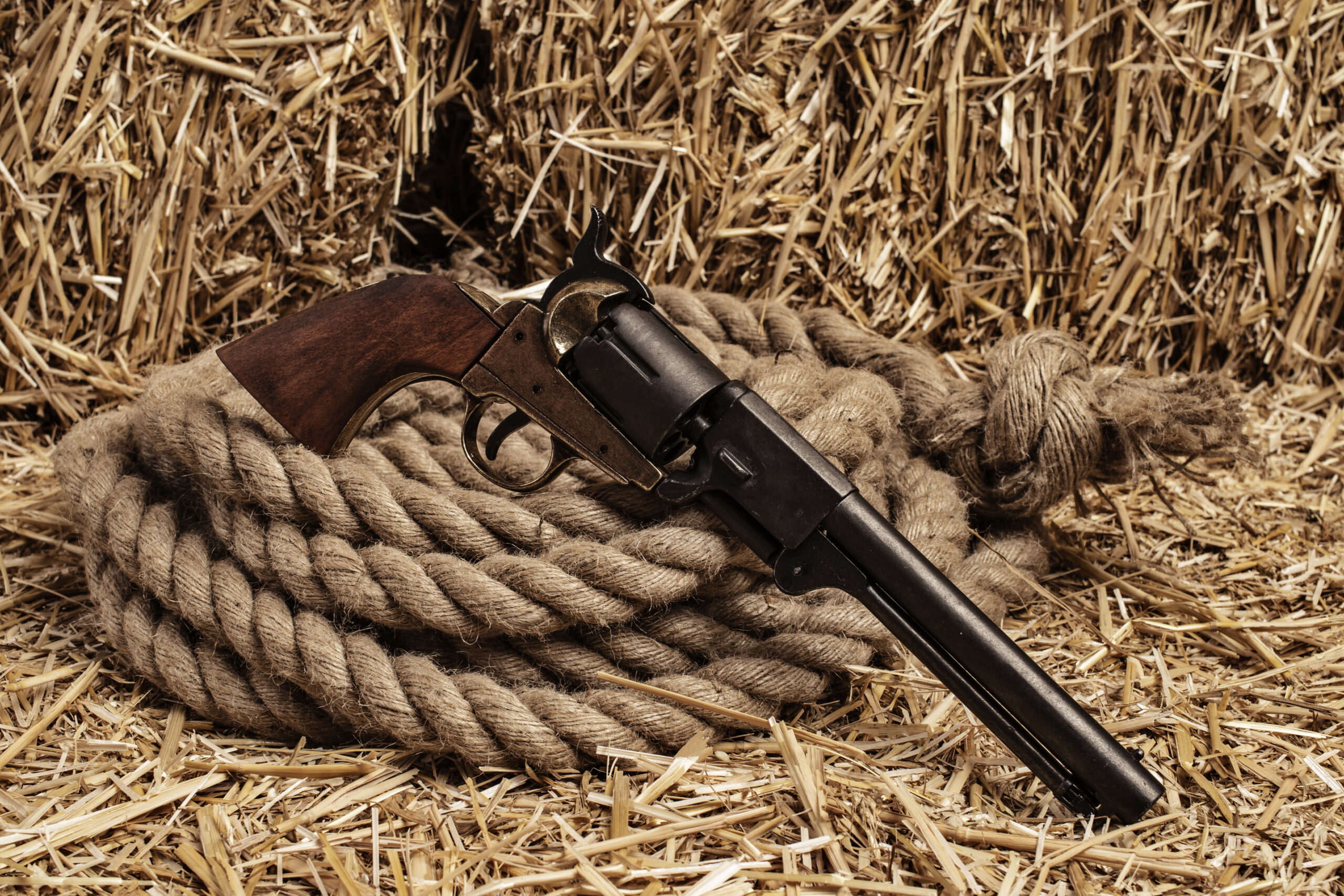
The percussion system replaced flint with impact-sensitive caps, significantly improving reliability in wet or windy conditions. This change coincided with early industrial manufacturing methods. 

Designs became more uniform, and interchangeable parts slowly entered production. Firearms from this era often bridge the gap between handcrafted antiques and modern manufacturing. 

Collectors often view percussion-era firearms as transitional pieces, combining old techniques with emerging industrial precision. 

Early Cartridge Firearms and the End of the Antique Era 

The advent of self-contained cartridges revolutionized the entire concept of firearms. Loading became quicker, safer, and more efficient. The installation of breech-loading devices ended the use of muzzle-loading systems and enabled the production of repeating firearms. 

Despite being a remnant of the past, early cartridge firearms marked the end of the classic antique style. It was then that firearms took a strong and definite step towards the application of modern engineering principles. 

Why Historical Context Matters to Collectors 

Knowing the development of a design provides a lot of help to the collectors in judging the factors of authenticity, originality, and significance. Without historical background, individual characteristics become meaningless. 

Collectors who are trying to find out the history and the way the item was made are still relying on the same essential resources: trustworthy references, museum records, and established gunshop documentation. 

FAQs

What defines an antique firearm?

Antique guns are usually defined by their old-style manufacturing period and construction features. Design characteristics are important to the collector because they can indicate the technology and craftsmanship of the time it was created.


How did firearm designs change over different historical eras?

Firearm design evolved through several major stages, including matchlock, wheel-lock, flintlock, percussion, and early cartridge systems. Each development addresses practical limitations such as ignition of reliability, handling, manufacturing consistency, or loading methods.


Why are flintlock firearms important to collectors?

Flintlocks represent a significant period in the development of firearms and remained widely used from the 17th century into the early 19th century. Their historical importance, regional variations, craftsmanship, and surviving examples make them an important category within antique firearms collecting.


Are all antique weapons completely handmade?

No. In the early examples, it was mostly made by the skilled hand craftsmanship, although industrial production increasingly began to develop. Percussion era firearms, for instance, demonstrate a shift from the traditional gun making to more standard manufacturing.


What should collectors consider when studying classic firearms?

Historical context is a useful starting point. Collectors can examine the firearm's design characteristics, manufacturing period, markings, originality, condition, and documented history to better understand its significance rather than judging an item by appearance alone.


Explore the History Behind Classic Firearms

From early ignition systems to the emergence of cartridge firearms, each era left distinctive characteristics that continue to interest collectors today. Explore the history of antique firearms with Collectors Firearms and learn more about the designs, craftsmanship, and historical context behind these enduring pieces.