Key Takeaways
- Museums conserve military artifacts, conduct research, document artifacts, and educate the public.
- Private collectors help safeguard historically significant objects that might otherwise be neglected or lost.
- Careful preservation protects original finishes, markings, and evidence of an artifact’s past.
- Provenance and condition records help establish an object’s historical significance.
- Collaboration between museums and collectors helps keep military history accessible to future generations.
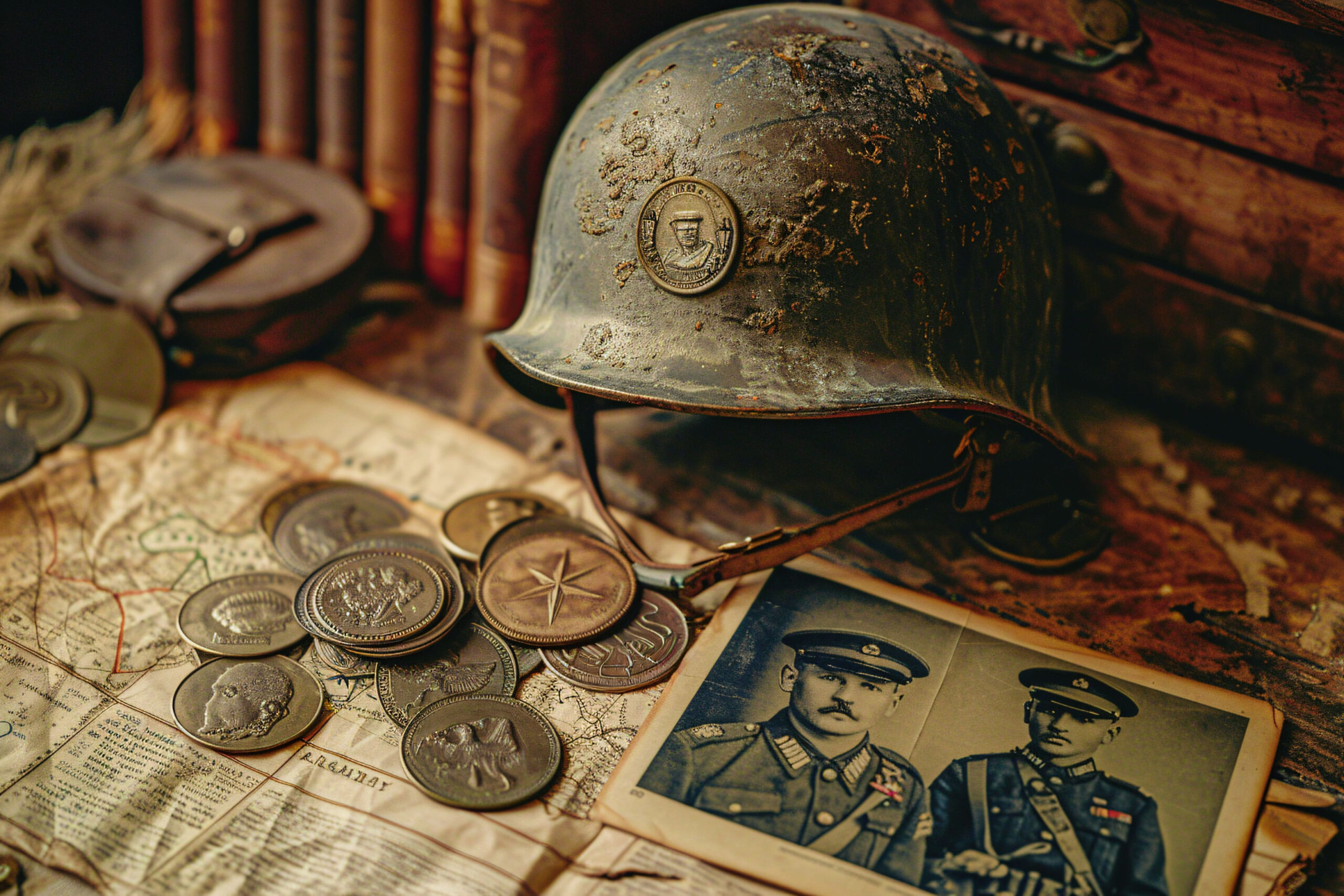
The narrative of legacy in warfare is conveyed via writings, photographs, and official documents, but another version of events comes from cherished artifacts. Artifacts such as uniforms, medals, weapons, and personal belongings reveal details about military equipment and the experiences of those who served. In this case, each party from museums to historians and collectors must become involved in the preservation of heritage.
Together, these groups help protect historical military artifacts, ensuring they remain valuable resources for research, education, and historical understanding.
How Museums Preserve Military Heritage
Museums are the keepers of military history. They have other duties besides gallery displays. To prevent deterioration of collections, they must be cataloged, monitored, conserved and studied.
When it comes to material care, it varies by material. Metal items can corrode; leather, textiles, and wood can become damaged in the wrong environment. These risks are evaluated by a professional conservator and the associated preservation techniques are determined.
Museums also provide historical context. An object’s markings, manufacturing details, and documented associations can help researchers understand when it was produced, how it was used, and what it represents. The Smithsonian National Museum of American History’s conservation resources explain how scientific examination, material analysis, and environmental monitoring support long-term collection care.
The Contribution of Private Collectors
Private collectors play an important role in preserving objects outside of institutional collections. Some recognize the historical significance of items that might otherwise be discarded, modified, or stored improperly. Their interests can also extend to specific manufacturers, military units, historical periods, or regional conflicts.
Collectors who research their acquisitions may develop detailed knowledge of manufacturing variations, markings, and historical ownership. This expertise can complement museum research, particularly when an artifact belongs to a specialized collecting category.
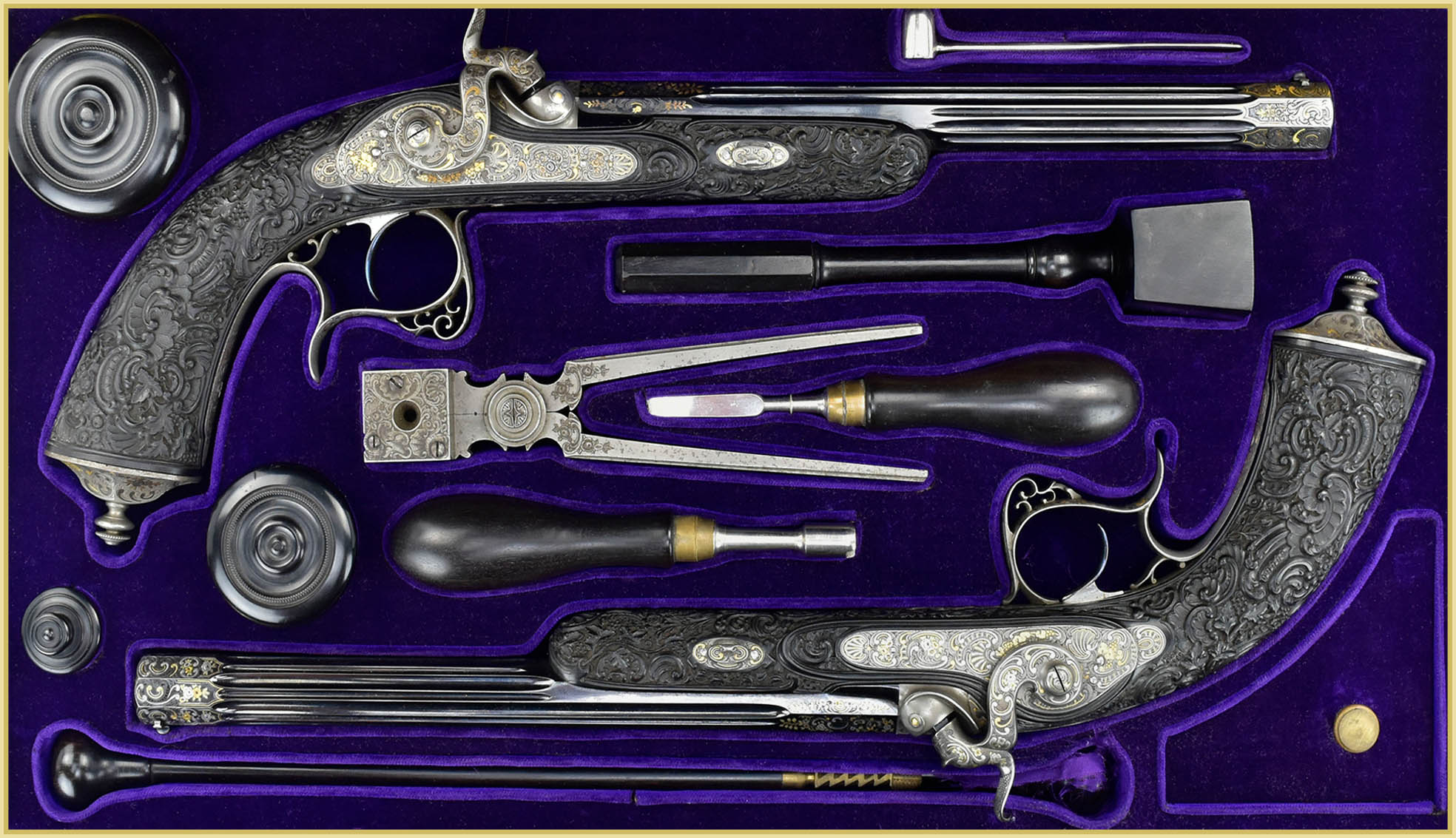
For example, collectors of Classic firearms may study changes in design, materials, and manufacturing techniques across different periods. Such objects can help illustrate the development of military technology when their histories are carefully documented and interpreted.
Preservation Versus Restoration
Preservation and restoration are not the same. Conservation seeks to reduce the rate of change without altering an object’s current state. Restoration can mean making the item look more like what it looked like in the past, which sometimes entails physical manipulation.
The removal of appropriate evidence by unnecessary restoration is possible in the case of historical artifacts. Original finishes, tool marks, wear and service-related changes can aid in the establishment of an object’s history. This evidence can be difficult or impossible to recover once it has been removed.
Military firearms require particular consideration because they combine materials such as steel, wood, leather, and early alloys. These components age differently, and poorly judged repairs can affect an artifact’s originality. For historically significant objects, assessment by a qualified conservator is preferable to cosmetic treatment based solely on appearance.
The appropriate approach depends on the artifact, its condition, and its historical significance.
Why Documentation and Provenance Matter
An artifact’s story extends beyond its physical condition. Provenance refers to its documented ownership history and other records that help establish its background.
Photographs, acquisition history, inscriptions, serial and identification markings, known unit associations, previous conservation documentation, etc. are all valuable pieces of documentation. Documenting changes of any kind in the condition can also assist future owners and researchers in identifying what was original and what was added or changed later.
Documentation is especially important when objects move between private collections and museums. It provides a foundation for further research and helps preserve information that might otherwise be lost as ownership changes.
Collaboration Between Museums and Collectors
Museums and private collectors can support each other through loans, research collaboration, exhibitions, and donations. Collectors may provide access to unusual objects or specialist knowledge, while museums contribute to conservation expertise and opportunities for public interpretation.
This relationship helps broaden the historical record. Artifacts that remain in private hands can still contribute to research when their owners maintain reliable documentation and cooperate with qualified institutions.
For collectors interested in military heritage, learning about conservation and responsible collecting is as important as acquiring an object. Collectors Firearms offers information on collectible firearms and related historical items. Those researching a gun shop in Dallas can also explore the company’s Dallas location page.
Frequently Asked Questions
1. Why are historical military artifacts important?
2. How do museums protect military artifacts?
3. How do private collectors contribute to military history?
4. Why should historical firearms avoid unnecessary restoration?