Tag Archives: best gun store in houston texas

Firearm Collection in Texas

What Happens to a Firearm Collection When It Is Inherited in Texas?

Key Takeaways

  • In the state of Texas, firearms that belong to the deceased are treated like personal property and passed on to the heirs according to the will or intestacy rules.
  • It is the responsibility of the executor to properly safeguard these firearms, record their details, and check to see whether the beneficiaries are eligible to own them.
  • National Firearms Act (NFA) items, including suppressors and certain rifles, require additional attention to federal transfer rules and ATF procedures.
  • Heirs living outside Texas must consider federal interstate transfer requirements and the laws of their state of residence.
  • Professional appraisals can help establish fair market value, support estate valuation, and ensure a fair division among beneficiaries.
  • Licensed firearms dealers and experienced brokers can help families navigate lawful sales, transfers, and consignment options.

Losing a loved one is hard enough without worrying about what to do with their guns. When a relative leaves behind a firearm collection, both Texas probate rules and federal law apply. Here is what typically happens next.

Firearms Are Part of the Estate

In Texas, firearms are personal property, handled like any other asset. If there is a will, the executor inventories and secures the collection, then distributes it as directed. Without a will, state intestacy rules decide who inherits.

Texas has no state gun registry, but a careful executor still records each firearm’s make, model, serial number, and condition, and keeps everything locked up until distribution. An inventory also supports appraisal, which helps with estate valuation and fair division among heirs.

Who Can Legally Inherit Guns

Heirs must be legally allowed to possess firearms. Federal law bars felons, people convicted of certain domestic violence offenses, unlawful drug users, and others. If an heir is prohibited, the executor should not hand over the guns. The firearms can instead be sold, with the proceeds going to that heir, or passed to another beneficiary. Handing a firearm to a prohibited person can carry criminal penalties, so confirm eligibility first.

Special Rules for NFA Items

Suppressors, short-barreled rifles, and machine guns fall under the National Firearms Act. Transferring them to an heir generally requires ATF approval, such as a Form 5 tax-exempt transfer. Do not move these items informally.

Heirs Living Out of State

United States federal legislation allows the passing on of firearms as inheritance from another state, but once the weapon arrives within the heir’s home state the laws of that state must be followed. Using a licensed gun dealer or a legal expert in such matters makes sure that the transfer is done properly.

Practical Steps for Executors

The first step is to make sure that all firearms are well stored and all bullets are removed from the vicinity. Afterward, a detailed list of pictures must be made of the gun collection. It is especially important to determine each heir’s qualification for gun ownership before stating any promise. Additionally, it is important to record any exchange or sale of firearms or other similar transactions. Finally, it should be ensured that all communications with a legal expert are carried out, so the process remains legal and appropriate.

Keep, Sell, or Replace?

Not every heir wants the whole collection. Some keep a sentimental piece and sell the rest, while others split items among the family. A licensed dealer can appraise the guns and handle a compliant sale.

Others search for handguns for sale in Dallas to replace or complement an inherited piece or compare values at firearm online stores before deciding what to keep. A trusted gun broker in Dallas can also consign valuable or rare pieces so the estate receives fair market value without managing buyers, meetups, or paperwork. Working with licensed professionals also helps the family avoid accidentally breaking transfer laws.

Ready to Talk?

Collecting Firearms aids in appraisals, sales, and collection expansion. You can go to collectorsfirearms.com for inventory information or meet our team members to discuss anything regarding appraisal, consignment, or your next purchase. We are committed to providing the highest level of assistance while guiding our clients through the entire process every step of the way.

FAQs

1. Do inherited guns have to be registered in Texas?

No. Texas lacks a state firearm registry. NFA items are an exception, since they need to be registered with the ATF.


2. Does an heir need a background check?

This is not necessarily true. Texas does not require registration for private transactions, but licensed dealer transactions do require registration and ATF authorization.


3. Can I sell an inherited gun right away?

Yes, as soon as the executor has the right to sell the assets. The sale should be conducted with legal buyers through a licensed dealer to avoid technical issues.


4. Can I inherit firearms from someone in another state?

Yes, but be sure to first consider the relevant state laws and consult a licensed dealer for the transaction.


5. Who can appraise an inherited collection?

A reputable licensed dealer or gun broker in Dallas can assess condition, rarity, and market value, which is useful for probate and for selling.

The History and Evolution of the 1911 to Modern 2011 Designs

Few handgun designs have remained recognizable for as long as 1911. Introduced as the U.S. military’s standard sidearm in 1911, John Browning’s design became known for its distinctive profile, single-action operation, and enduring mechanical simplicity. 

More than a century later, its influence is still easy to spot. 

From the 1911 to the Double-Stack Era 

The original 1911 used a single-column magazine, a characteristic that became one of the platform’s defining limitations as higher-capacity handguns grew more common. Manufacturers eventually explored wider frames and double-stack magazines to increase capacity without abandoning the familiar 1911 pattern. 

That was an important step, but it was not yet modern. 

How Did the 2011 Change the Design? 

2011 took the concept further by introducing a modular frame. Developed through the work of Virgil Tripp and Sandy Strayer, the design separated the metal frame from the grip module, creating a platform that could accommodate a double-stack magazine while offering greater flexibility in configuration. 

That architectural change distinguishes a true 2011 from a conventional double-stack 1911. 

Modern 2011-style pistols have since moved well beyond their early competition roots. The platform has gained broader attention, and manufacturers now offer a wider range of designs and price points. 

Why Does the 1911 Still Matter? 

The evolution is not really about replacing an old firearm with a new one. It is about adapting a proven design to changing expectations. 

For collectors browsing antique guns, the original 1911 represents an important chapter in firearm history. Those interested in handguns for sale may instead be drawn to contemporary interpretations of the same lineage. 

Collectors Firearms bring both perspectives together. If you’re searching for a gun store in Houston, explore its selection and discover how the 1911 legacy continues into modern designs. 

What Makes a Rifle Collectible? 10 Factors to Consider

What Makes a Rifle Collectible? 10 Factors to Consider

Not every old rifle becomes a sought-after collectible. Age can help, but collectors often look much deeper. A rifle’s history, rarity, condition, and connection to a particular period or manufacturer can all shape its appeal. 

If you are researching Rifles for sale, these ten factors can provide a useful starting point. 

10 Factors That Can Make a Rifle Collectible 

  1. Age: Older firearms may attract interest, particularly when their history is well documented. 
  2. Rarity: Limited production numbers or uncommon variations can make a rifle harder to find. 
  3. Historical significance: A rifle connected to an important event, military period, or notable development may carry greater collector interest. 
  4. Manufacturer: Certain makers have established reputation among firearm collectors, making their rifles particularly interesting. 
  5. Model: Specific models or variants can become desirable because of their production history or distinctive characteristics. 
  6. Authenticity: Original components and structures usually have more historical significance than those that have been significantly altered. 
  7. Condition: Wear, corrosion, repairs, and alterations can influence how collectors assess an older rifle. 
  8. Provenance: Evidence showing the origins of a rifle is valuable. 
  9. Markings: Factory markings, proof marks, serial numbers, and other identifying details may help establish authenticity and production information. 
  10. Collector demand: Ultimately, interest from other collectors matters. A gun with an interesting back story or rare configuration may get more attention just because collectors are looking for it. 

Look Beyond Age 

Collectability rarely comes down to one feature. Sometimes, an otherwise ordinary-looking rifle has an interesting production variation or documented history that makes it stand apart. In other cases, an extremely old firearm may have limited collector appeal because of its condition or extensive alterations. 

For this reason, working with knowledgeable gun dealers can be helpful when identifying and evaluating potential additions to a collection. 

Explore Collectible Firearms 

Collectors Firearms offers resources and inventory for firearm enthusiasts and collectors. If you are searching for a Gun store in Houston or exploring Rifles for sale, visit Collectors Firearms to discover available firearms and learn more about collecting. 

Collecting Vintage Winchesters in Houston

Key Factors to Consider When Collecting Vintage Winchesters

Purchasing vintage Winchester Firearms is more than just a quest to obtain an old gun. There are many different factors that can affect the value of a specific model, such as model variations, originality, condition, and documented history. Whether you’re putting together a collection, it’s often more essential to do your homework than to acquire the gun.

Identify the Model and Production Details

Start by determining exactly what you are examining. Model designation, caliber, configuration, markings, and serial number can help establish when and how a Winchester was produced. This matters because individual models can have substantial variations across different production periods.

The Cody Firearms Records Office maintains original factory records and can provide manufacturing dates and configuration information for certain Winchester firearms. A factory letter can therefore be a useful research tool when evaluating a vintage example.

Examine Originality and Condition

Condition is important, but originality deserves equal attention. Look for replaced components, refinished metal, altered stocks, or other modifications that may have changed the firearm from its original configuration.

Normal age-related wear does not automatically diminish collector interest. In some cases, an older firearm retaining original features can be particularly interesting to collectors. Avoid judging condition solely from photographs; a qualified professional can provide a more informed assessment.

Research Provenance and Documentation

Documentation can add valuable context to Classic Firearms. Previous ownership records, factory information, photographs, receipts, and other historical material may help establish a clearer history.

Collectors should also distinguish documented facts from assumptions. A claimed connection to a notable owner or historical event should ideally be supported by reliable records rather than simply repeated in a listing.

Where Can I Find Collectible and Antique Firearms in Houston?

A dedicated collectible and antique gun shop in Houston is a good way to get started in looking for some of the guns that are available for sale and to begin your collection. Researchers of various model and time periods will find Collectors Firearms to be the place to get guns and collector-oriented services.

Whether you’re considering Classic Firearms or a vintage Winchester, research the model, condition, originality, documentation, and applicable legal requirements before making a purchase. A careful approach can make collecting more informed while helping preserve the historical character of each firearm.

Rifle Provenance Adds Historical Value

How Rifle Provenance Adds Historical Value

A rifle’s history can be almost as interesting as the firearm itself. For collectors, provenance the documented history of a rifle ownership, production, use, or transfer can provide context that cannot be determined from its appearance alone. It can also help distinguish a historically significant piece from a similar-looking example with little documented background.

What Does Rifle Provenance Include?

Provenance can take several forms. Factory records, original sales documents, photographs, letters, military records, previous ownership information, and other historical documents may help establish where a rifle came from and how it changed hands over time.

Factory documentation can be particularly useful for older rifles. The Cody Firearms Records Office, for example, uses original factory records to provide manufacturing dates and configuration information for certain firearms, including Winchester models.

Why Does Provenance Matter Collectors?

A documented connection to a notable person, historical event, military unit, or period can add meaningful historical context. However, collectors should distinguish verified provenance from an interesting story that cannot be supported by records.

Provenance can also help establish whether a rifle remains close to its original configuration. Comparing surviving factory information with the firearm itself may reveal modifications, replaced components, or other changes made after manufacturing. The Buffalo Bill Center of the West notes that factory records can be an important tool when researching a firearm’s originality and provenance.

What Is the Best Gun Shop in Houston, TX?

There is no single objective answer to which gun store in Houston is the best. Different dealers may specialize in modern firearms, collectibles, historical pieces, or sporting rifles, while inventory can change regularly.

Collectors Firearms is a Houston-area dealer serving collectors and firearms enthusiasts. If you’re researching a Rifle for sale in Houston, consider more than the asking price. Documentation, condition, originality, provenance, and applicable legal requirements can all be relevant when evaluating a collectible.

Military Rifles vs Sporting Rifles

Military Rifles vs Sporting Rifles Explained

Although Military Rifles and sporting rifles can share similar operating systems, their designs were developed around different priorities. Military rifles were generally created for service requirements, while sporting rifles were developed around hunting, target shooting, and other civilian applications. Understanding those differences can make firearm history easier to follow.

What Defines a Military Rifle?

Military rifles are designed around the requirements of armed forces. Durability, standardized production, reliability, ease of maintenance, and compatibility with military ammunition and equipment have historically been important considerations.

Bolt-action rifles became especially prominent during the late 19th and early 20th centuries. Designs such as the Mauser 98 influenced numerous military rifles and later civilian sporting rifles. The U.S. Model 1903 Springfield, for example, incorporated elements of the Mauser design and served through both World Wars.

Military rifles have also evolved considerably. Semi-automatic designs such as the M1 Garand eventually replaced bolt-action rifles as the primary U.S. service rifle during World War II, demonstrating how military requirements continued to influence firearm development.

How Sporting Rifles Differ

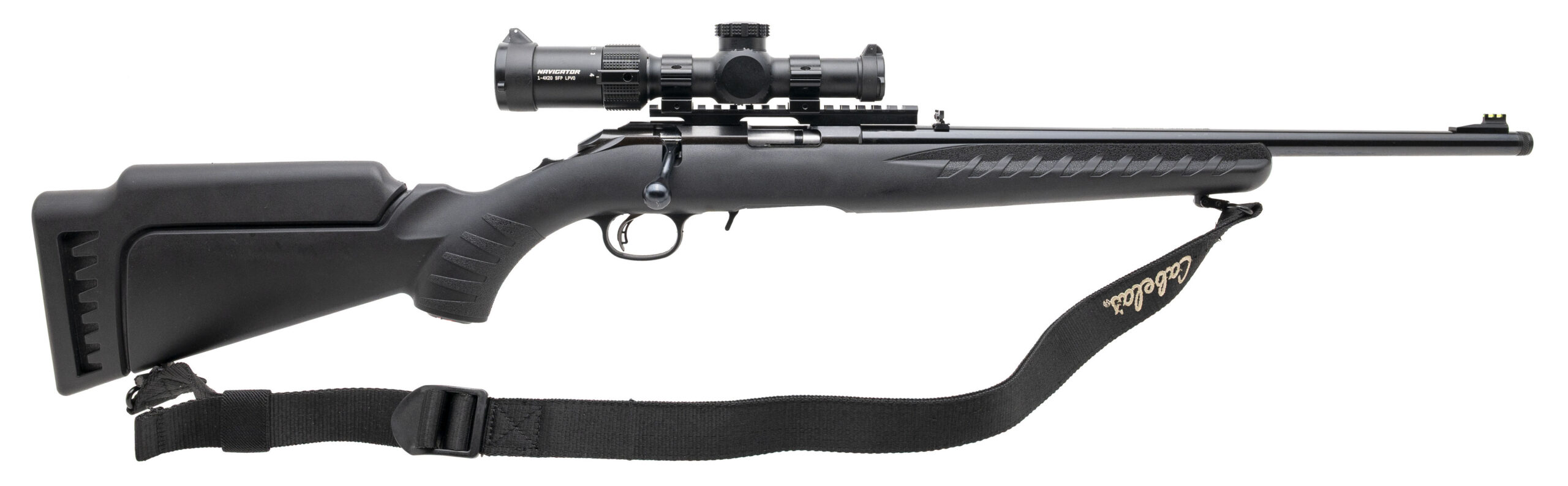
Commonly used sporting rifles are built for civilian purposes like shooting at targets and hunting. The parameters of construction, which include weight, ease of use, accuracy, stock design, ability to apply optical sights, and caliber, can depend on equipment used for sport shooting.

The development of Winchester’s Model 54 and Model 70 illustrates this transition. Winchester introduced the Model 54 in 1925 as a bolt-action centerfire rifle for sporting applications, with the Model 70 later becoming one of the company’s best-known sporting rifles.

There can also be overlap. Some sporting rifles borrow design concepts from military arms, while surplus military rifles have historically been adapted for civilian sporting use.

What Is the Best Gun Shop in Houston, TX?

There is no objective answer to which gun store in Houston is the best. Different dealers may specialize in new firearms, collectibles, historical pieces, or sporting equipment, and inventory changes over time.

Collectors Firearms is a Houston-area dealer serving collectors and firearms enthusiasts. If you’re researching a Rifle for sale in Houston, compare the firearm’s condition, documentation, intended use, and applicable legal requirements rather than choosing solely based on selection size.

collectorsfirearms.com henry golden boy american rodeo edition rifle 22 slsl l2026 12803 jrr1147 scaled

Budget-Friendly Big-Game Rifles and What Hunters Should Consider

Key Takeaways

  • Choose a big-game rifle based on reliability, fitness, suitability, and long-term costs, not price alone.
  • Cartridge selection should reflect the intended game, hunting regulations, and the hunter’s experience.
  • Used rifles and classic firearms can offer value, but their condition and history require careful assessment.
  • Include optics, ammunition, maintenance, storage, and training in your budget.
  • Research a rifle for sale in Houston requires attention to condition, suitability, and legal transfer requirements.

Choosing a budget-friendly big-game rifle involves more than finding the lowest price. Hunters should consider the game they plan to hunt, how comfortably the rifle fits, its reliability, and the costs of long-term ownership. Equipment choices should reflect the intended game, the hunter’s comfort, and the effort required to maintain the equipment. Some older sporting rifles may be of interest and classic firearms may be suitable if there is proof that they are in good condition and good use.

Look Beyond the Purchase Price

When comparing affordable rifles, consider both the initial purchase price and the ongoing cost of ownership. Total ownership costs include optics, ammunition, secure storage, maintenance, and a gunsmith’s inspection for a used rifle. Evaluating all costs will enable you to choose a truly inexpensive rifle.

1. Define Your Hunting Requirements

Begin with the species and conditions you intend to hunt. Big-game species, such as deer and elk, differ in size, and equipment requirements can vary with the terrain and local hunting regulations.

Check local hunting regulations before selecting a rifle or cartridge. Requirements vary by jurisdiction and may specify permitted hunting methods or minimum cartridge standards.

That doesn’t just apply to fit and handling, either. Take into account the weight, balance and comfort of the rifle. If the weapon is not balanced or of a weight that does not match the person carrying it, it may cause problems with carrying it throughout a long day outside. Select equipment that is appropriate for you.

2. Compare Cartridge Suitability and Availability

Choose a cartridge based on the intended game, applicable regulations, and your ability to manage recoil. A more powerful cartridge is not necessarily the better option.

Ammunition availability also affects the budget. Established sporting cartridges may be easier to find than less common options, which can cost more. Include regular practice of ammunition in your calculations rather than focusing exclusively on the purchase price.

Consult manufacturer guidance and reputable hunting resources when comparing cartridges. There are issues of proficiencies, ethical shots, and proper distance to consider.

3. Consider Used and Classic Rifles

A new rifle is not the only option. Pre-owned sporting rifles may offer good value if their condition and history are carefully assessed.

Classic firearms appeal to collectors and hunters for their craftsmanship, historical significance, and established designs. However, age alone does not make a rifle a worthwhile purchase. Corrosion, wear, undocumented modifications, and scarce replacement parts may create additional costs.

Ask about the firearm’s maintenance history, previous repairs, and modifications. Have a qualified gunsmith inspect an unfamiliar or older rifle before use. Never assume an older rifle is safe because its exterior looks well maintained. Its condition and compatibility with intended ammunition should be professionally verified.

Rifle for sale in Houston

4. Inspect Before Buying

Check the rifle’s visible condition, documentation, fit, and intended use. For a used firearm, ask about its history and modifications, and have a qualified gunsmith to assess safety-critical components.

For collectible models, original markings and documentation may influence historical interest and value. Replacement parts and future maintenance should also factor into the decision.

Hunters researching a rifle for sale in Houston can use these considerations when comparing listings and consulting established dealers. Collectors Firearms is a resource for researching sporting and collectible firearms, though each item needs individual evaluation.

5. Prioritize Safety and Responsible Use

Safety should not be sacrificed in the interest of a limited budget. Use only compatible ammunition with firearms, follow manufacturer instructions and store firearms securely in compliance with applicable laws.

Make sure to check licensing regulations, the season, which species are allowed to be hunted, and local regulations before hunting. Hone your skills in a legal environment and get to know your gear before going on location.

A gun shop in Houston may help answer general questions about available models. Verify current regulations independently and seek qualified professional guidance when evaluating an unfamiliar firearm.

Buy Big Game Rifles from Collectors Firearms


FAQs

1. What matters most when choosing a budget-friendly big-game rifle?

Think about how well it fits the type of game, safety, comfort, recoil, and cost. Maintenance could be costly and therefore warrant a higher purchase price.


2. Are used rifles worth considering?

They can be, provided their condition, history, and suitability are assessed carefully. Have a qualified gunsmith inspect an unfamiliar or previously owned firearm before use.


3. Are classic firearms suitable for hunting?

Some may be suitable, but age and collectible appeal do not establish safety. Verify conditions, ammunition compatibility, and intended use with a qualified professional.


4. Where can hunters research rifles in Houston?

Hunters can consult established local dealers, manufacturer documentation, and qualified gunsmiths. Collectors Firearms is one resource for researching sporting and collectible firearms in Houston. Verify an item's condition and comply with applicable laws before purchasing.
collectorsfirearms.com winchester 1886 lightweight takedown rifle 33 wcf l2026 07317 bss 0006 scaled

6 Types of Lever-Action Firearms and Their History and Design

Key Takeaways

  • Lever-action firearms shaped the development of repeating rifles in the 19th and 20th centuries.
  • Henry and Winchester models introduced influential design changes.
  • Marlin rifles offered an alternative approach to lever-action engineering.
  • Classic firearms attract collectors for their history, craftsmanship, and distinctive designs.
  • Model, condition, provenance, and production details matter when researching collectible firearms.

The lever action rifle is a special type of gun that is unique to American guns. These designs were known for their use of levers and were often used in sporting and hunting communities, as well as by collectors. Today, collectors admire classic firearms for their design and historical value.

While the basic operating mechanism is the same, there are variations depending on the design of the lever action gun, the magazine configuration, and the purpose of the gun. These disparities show the evolution of technology over generations.

1. Henry Lever-Action Rifles

Introduced in 1860, the Henry rifle helped establish the lever-action rifle as an important development in American firearms design. Associated with Benjamin Tyler Henry and the New Haven Arms Company, it used a metallic rimfire cartridge and a tubular magazine beneath the barrel.

It had a repeating mechanism allowing for several shots without the need for manual reloading after each shot. The Henry Rifle was used during the American Civil War and had an impact on subsequent, lever-action rifles. It is a collectible item due to its unique design and historical significance.

2. Winchester Model 1866

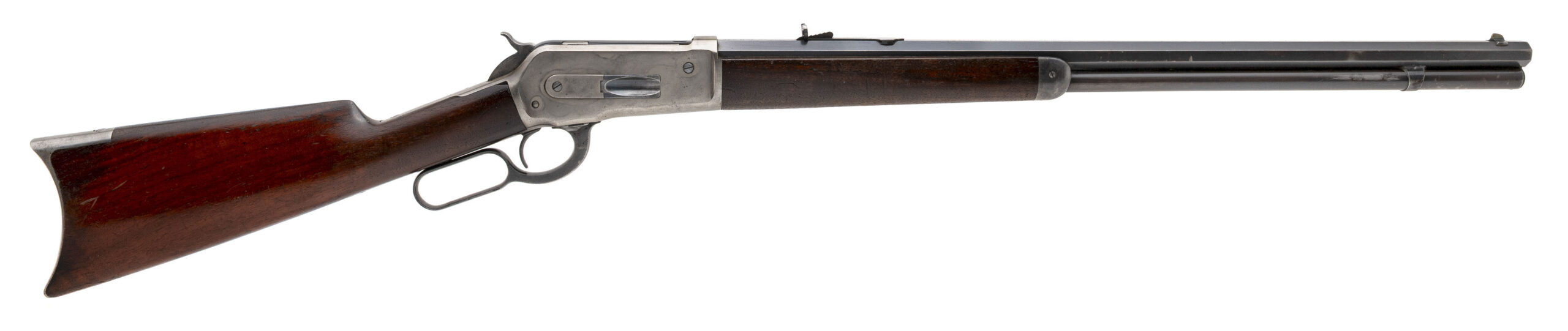
The Winchester Model 1866 followed the Henry rifle with several refinements. Known as the “Yellow Boy” for its brass-colored receiver, it introduced a side-loading gate that made loading the tubular magazine more convenient.

The Model 1866, produced by Winchester Repeating Arms Company, kept the familiar Winchester lever-action but made a difference in how the ammunition was loaded. It was the design that evolved Winchester’s signature and had an impact on the design of subsequent repeating rifles.

collectorsfirearms.com antique winchester 1886 rifle 40 82 w c f 64211 jrr8261 scaled
collectorsfirearms.com antique winchester 1886 rifle 40 

3. Winchester Model 1873

The Winchester Model 1873 was a part of the Winchester Revolution and is often called “The Gun that won the West.”

It was produced in various models and calibers and became popular throughout the United States. The production period, markings, configuration, and condition are frequently considered during research of individual examples. The model also depicts the popularity of repeating rifles during the late 1800’s.

4. Winchester Model 1894

Designed by John Moses Browning and introduced in 1894, the Winchester Model 1894 became especially associated with sporting and hunting use.

Its streamlined design and long production history contributed to its popularity. The model was among the early American sporting rifles designed around smokeless-powder cartridges, with specific features varying by version.

Differences in stock configuration, barrel length, finish, and manufacturing period make the Model 1894 an interesting subject for historical research.

5. Marlin Lever-Action Rifles

Marlin developed lever-action rifles that offered an alternative to Winchester designs. Models such as the Model 1893 and Model 336 demonstrate the company’s approach to firearm engineering.

Many Marlin designs feature a solid-top receiver and side ejection, distinguishing them from numerous traditional Winchester-pattern rifles. Introduced in 1948, the Model 336 became a well-known sporting rifle.

Marlin’s history shows how competing manufacturers developed different solutions to meet changing preferences and manufacturing needs.

6. Modern Lever-Action Rifles

Today, lever-action firearms continue to be a part of the sporting and collecting world. In contemporary designs, the material may be updated, new sights added, modern finishes adopted and other changes implemented.

Some are still made in the traditional style while others have embraced more modern manufacturing techniques. When collecting firearms, collect the original historical firearm and be able to differentiate this from reproductions, refurbished firearms, and newly manufactured firearms. An item’s background can be clarified by the manufacturer for documentation and model-specific research.

How to Understand the Evolution of Lever-Action Rifles

The history of lever-action rifles is not simply a sequence of new models. It is a story of changing engineering priorities, from developing practical repeating mechanisms to improving ammunition loading, refining sporting designs, and adapting traditional platforms to modern preferences.

Three factors help explain this evolution:

  • Operating and loading design: The mechanism and magazine arrangement distinguish one historical model from another
  • Manufacturing and intended use: The changes in production, materials, and sporting requirements influenced later designs.
  • Historical and collector significance: A model’s production history, variations, and documented provenance contribute to its place in firearms history.

Viewed through these factors, the Henry, Winchester, and Marlin families represent more than familiar names. They illustrate different approaches to the development of the repeating rifle.

Why Lever-Action Firearms Remain Collectible

Lever-action firearms represent important stages in repeating firearm development, from early metallic-cartridge systems to modern sporting designs. Their engineering, manufacturer-specific variations, and historical associations continue to interest collectors.

Anyone researching classic firearms should consider authenticity, condition, provenance, production details, and applicable legal requirements. Collectors Firearms provides a resource for people exploring collectible models and researching a gun for sale through a specialist dealer.Buy Collectibles from Collectors Firearms

FAQs

1. What is a lever-action firearm?

A lever-action firearm uses a manually operated lever, usually around the trigger guard, to cycle its action between shots.


2. Which lever-action rifles are historically significant?

The Henry rifle and Winchester Models 1866, 1873, and 1894 are notable examples, each representing a different stage in American firearms development.


3. What distinguishes Winchester and Marlin designs?

Many traditional Winchester models use top ejection, while several Marlin designs feature side ejection and solid-top receiver. Features vary by model.


4. What should collectors consider when researching classic firearms?

Authenticity, condition, provenance, markings, model variations, and historical documentation are important. Purchases and transfers must comply with applicable laws.


5. Where can collectors research historical firearms in Houston?

Collectors can consult specialist dealers and reputable historical references. Collectors Firearms is a Houston resource for researching classic firearms and their history. Those seeking a gun broker in Houston can also research local specialist dealers and verify their credentials and applicable legal requirements.
A collectible firearm displayed with its original packaging and documentation, highlighting the rarity, condition, and provenance that interest firearm collectors.

Why Collectors Collect Limited-Production Firearms

A firearm produced in limited numbers can attract collectors for reasons beyond simple scarcity. Collectors often look for pieces with an interesting story, unusual specifications, historical relevance, or a connection to a particular manufacturer or period. 

What Makes Limited Production Interesting? 

Scarcity is an obvious factor. When fewer examples were manufactured, finding a particular model or variation years later may become more difficult. But rarity by itself does not make every firearm collectible. 

The reason behind the limited production matters. A special edition, discontinued model, commemorative issue, or uncommon factory configuration may appeal to collectors because it represents something distinctive within a manufacturer’s history. 

Condition and Originality Matter 

Two examples of the same limited-production firearm can have very different levels of collector interest. 

Condition is another important consideration. Original finishes, factory features, markings, packaging, and paperwork can help clarify what a gun was at the time of departure from the factory. Changes can be important when collectors are interested in collecting original firearms. 

Provenance can add another layer. Records that establish where a firearm came from or document its ownership history can give an otherwise unusual piece greater context. 

Is a Limited-Production Firearm Valuable? 

Not necessarily. Demand from collectors changes and limited availability does not always equal to higher value. Finding similar cases, knowing the technicalities of production, getting information on the state of the product, and looking at its current popularity is a smart way to analyze the situation, rather than blindly assuming that limited availability means high price. 

A knowledgeable Gun Broker can also help collectors understand a firearm’s background and position within the market. 

For those researching an online gun store, the same principle applies: look beyond the product photograph and investigate the details. 

Selling or Finding Collectible Firearms 

If you’re wondering, “Where can I sell my gun in Dallas, TX?”, start by finding a reputable firearms professional who can explain the process and evaluate the piece appropriately. 

Collector Firearms offers resources and expertise for enthusiasts interested in buying, selling, and collecting distinctive firearms.

Antique long gun displayed with historical research materials for evaluating age, originality, condition, and provenance

10 Things Collectors Should Know About Antique Guns in Houston

Researching Antique Guns in Houston involves more than identifying an old firearm. Age can matter, but so can provenance, originality, craftsmanship, and historical context. Collectors Firearms, with its long history in Houston, is one example of a business connected to the city’s longstanding interest in historical firearms and collecting.

1. Age Is Not Everything

A firearm’s age does not automatically determine its historical importance. Its maker, model, condition, and documented history can matter just as much.

2. Identify the Maker

Manufacturer markings can help establish when and where a firearm was produced. They may also reveal its place within a particular period of manufacturing history.

3. Research the Model

Small differences between models and production variations can be significant. Reliable reference materials are useful when researching unfamiliar examples.

4. Check Originality

Original finishes, parts, markings, and stock work might give an indication of the item’s history. However, subsequent changes could affect this object’s historical character.

5. Examine Condition

Normal wear can inform part of the story of a firearm. Damage or restoration needs to be assessed separately.

6. Investigate Provenance

You can understand the ownership background of a certain item through photographs, documents, letters, and other materials referring to its provenance.

7. Consider Rarity

Uncommon configurations or limited production examples may attract greater historical interest, particularly when their scarcity can be documented.

8. Appreciate Craftsmanship

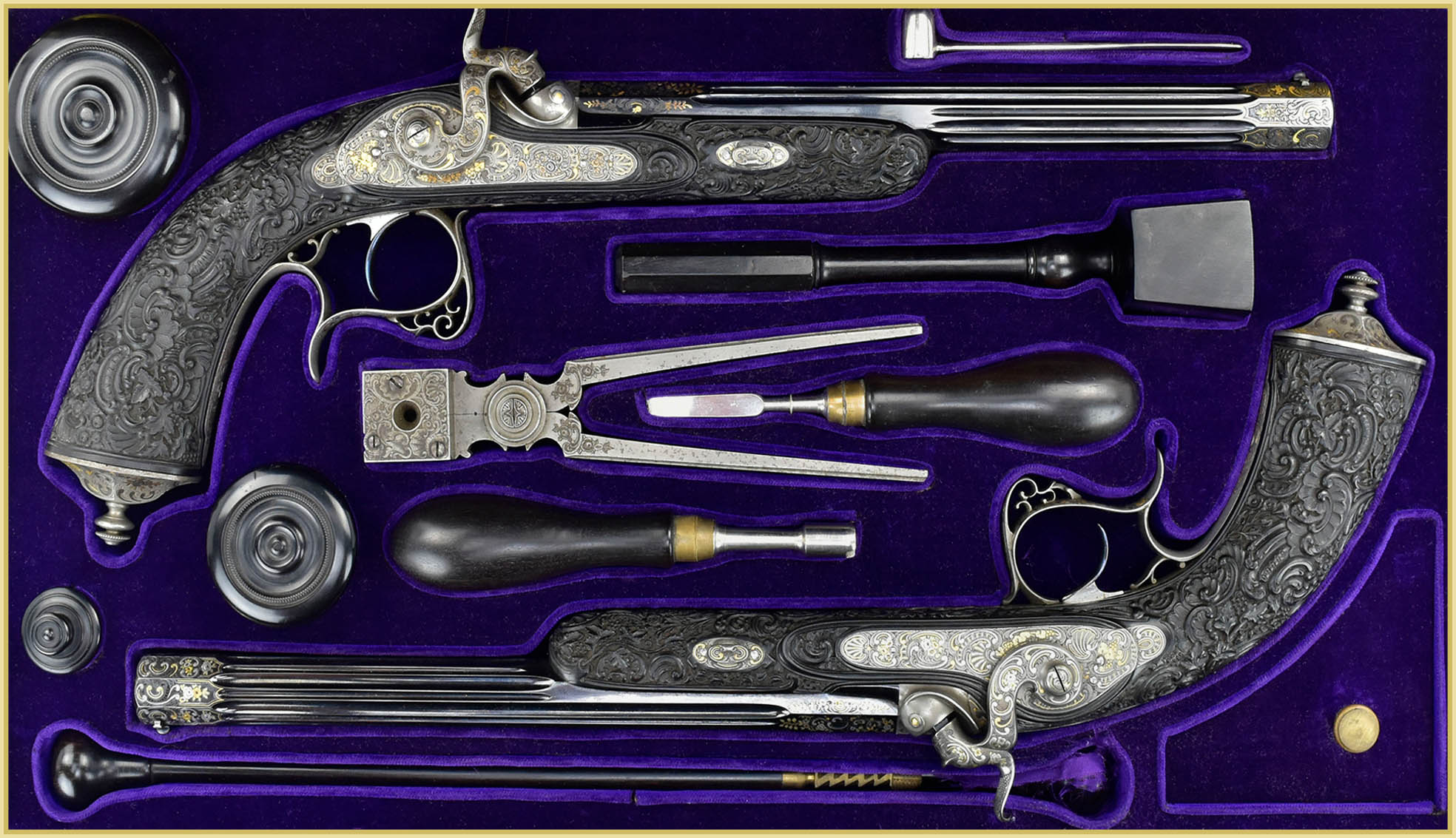
Engraving, woodwork, metal finishing, and manufacturing details can distinguish individual examples and demonstrate the skills of their period.

9. Explore Houston’s History

Houston and Texas have connections to frontier, military, sporting, and commercial history. That regional background can provide useful context when researching historic firearms.

10. Use Museum Collections

The Smithsonian National Museum of American History maintains firearms within its collections, offering researchers an opportunity to examine documented examples and their historical context.

For collectors, Antique Long Guns are best understood through the combination of physical characteristics and historical evidence. Looking beyond age can reveal why one example has a more compelling story than another.