Tag Archives: antique firearms history

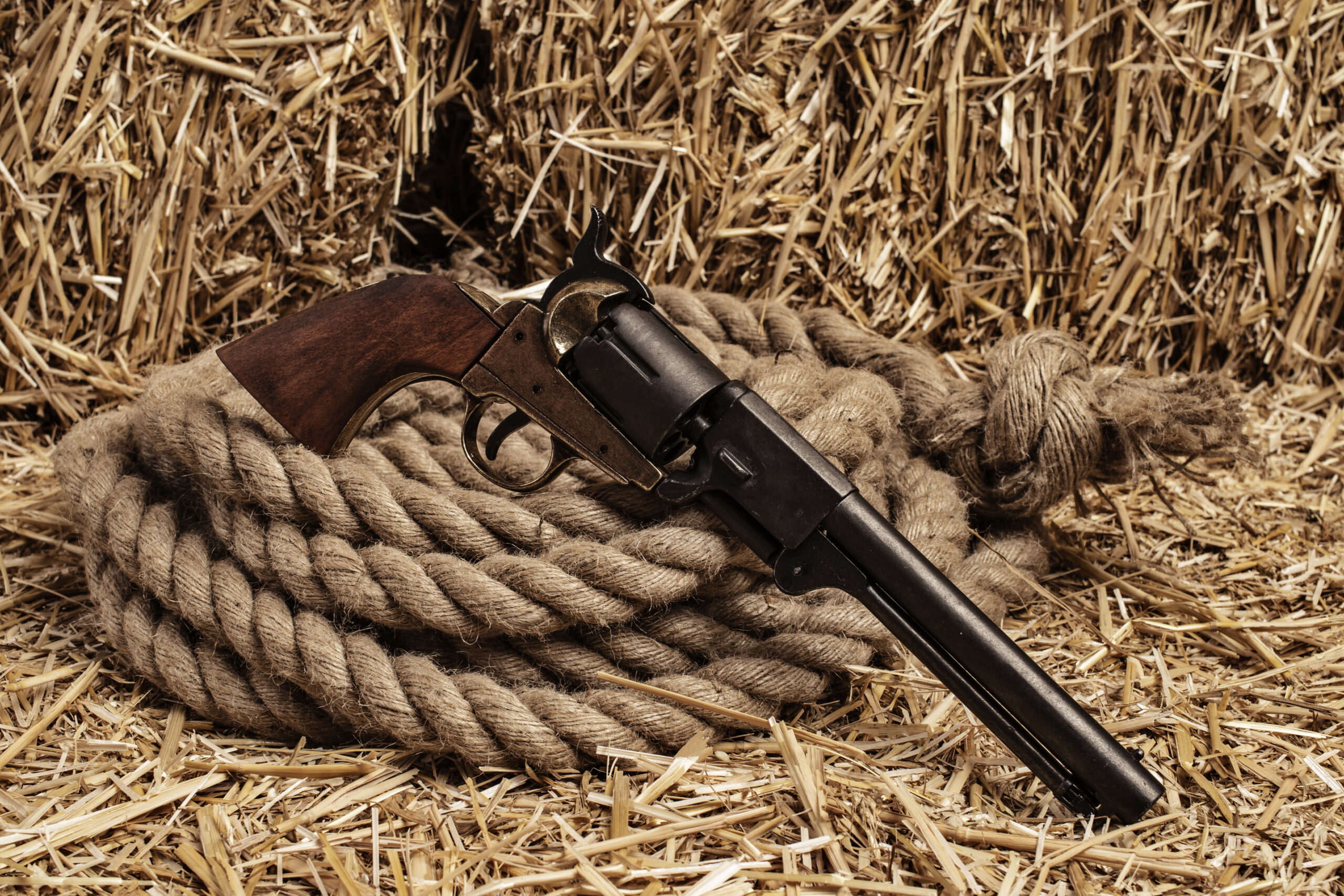
Antique long gun showing original wood, metal components, markings, and aged finish

How Condition Influences the Appeal of Antique Long Guns

The condition of the old firearm has considerable bearing on the attractiveness of the firearm to collectors. When collectors are studying antique guns for sale, they look at the gun’s condition in addition to age, rarity, manufacturer, provenance, and craftsmanship.

Originality and Preservation

Originality is one of the most important factors. A long gun that retains its original stock, metal components, markings, and finishes can be especially interesting to collectors because it preserves more of the firearm’s historical character. Indicators of age, including patina and acceptable surface wear, may add to the history of a gun rather than diminish its value.

By contrast, extensive alterations, replacement parts, heavy corrosion, or poorly documented restoration can affect historical integrity. Collectors often look closely at whether changes are consistent with the firearm period and whether its history has been properly documented.

Historical Context and Collectability

Historical context can also make conditions more meaningful. Museums such as the Smithsonian maintain collections that demonstrate how antique firearms fit into broader technological and cultural history. The Smithsonian Collections Search Center provides an external resource for exploring historic firearms and related objects.

For those researching antique guns for sale, visiting a reputable gun store in Houston, or learning about collections associated with Classic Firearms, understanding conditions can provide useful historical perspective. Appearance alone does not tell the complete story; originality, provenance, preservation, and documentation should all be considered.

The Lasting Appeal of Antique Long Guns

Finally, one aspect that gives an antique long gun its charm is the story that comes with it. An original piece that is well preserved can relate to key information about a particular time and manufacturing style. Therefore, proper assessment of the state of the piece helps people understand the meaning and originality of these captivating pieces of history.

Looking to learn more about collectible and historic firearms? Collectors Firearms offers a selection of antique and classic firearms for enthusiasts and collectors to explore. Visit their website to browse available pieces and learn more about their collection.

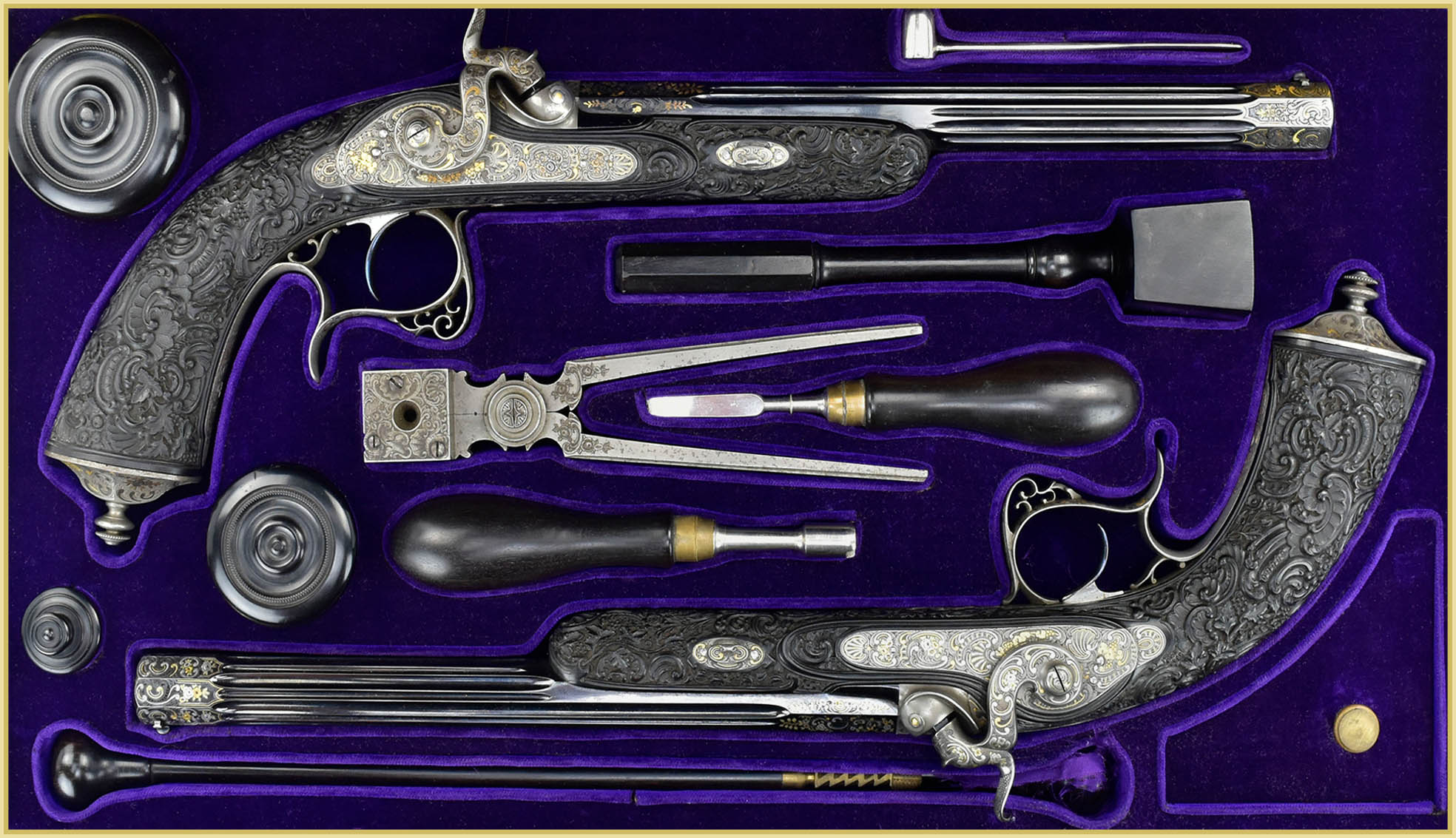
Antique gun collection with vintage firearms and historical documents

What Information Should You Gather Before Buying an Antique Gun Collection?

Key Takeaways

  • Identifying each firearm accurately is the starting point for evaluating an antique collection.
  • Condition, rarity, maker, originality, completeness, and provenance can all influence collector interest and value.
  • A collection should be researched as individual pieces rather than treated as one uniform group.
  • Federal law has a specific definition of an “antique firearm,” but state and local requirements can differ.
  • Documentation, photographs, ownership history, and previous appraisal records can make professional evaluations considerably easier.

Buying an antique firearm collection is different from buying a single item. A group may contain pieces from different periods, manufacturers, countries, and intended uses. Some may be historically important, while others may have value primarily because they are unusual, complete, or particularly well preserved.

Before searching listings for antique guns for sale, prospective buyers should gather enough information to understand what they are considering. The research stage can reveal differences that are not obvious from photographs alone.

Start With a Six-Point Collection Review

Before making an offer, work through six areas for every firearm:

  1. Identity: Record the maker, model or pattern, markings, serial number where applicable, approximate production period, and other identifying characteristics.
  2. Originality: Determine whether important components, finishes, markings, and configuration appear original or have been modified or restored.
  3. Provenance: Look for evidence supporting previous ownership or historical associations rather than relying solely on an anecdotal story.
  4. Completeness: Check whether original cases, accessories, tools, documentation, or matching components remain with the firearm.
  5. Condition: Review the item for visible wear, signs of corrosion, cracks, parts that may be missing, refinishing issues, and other problems.
  6. Legal classification: Verify the relevant legal definition and requirements as opposed to presuming that anything called “antique” is treated in the same manner in law.

Examine Condition Without Assuming “Old” Means “Valuable”

Age alone does not establish collector value.

Examine the pictures and words for signs of wear and tear, rust, or deterioration, as well as cracks, missing elements, parts that have been replaced, refinished, or otherwise modified. Original finishes and parts may be quite important, especially where collectors are concerned.

Completeness can be just as revealing. Original cases, accessories, tools, documentation, or other components associated with a particular firearm may add historical context and collector appeal.

A firearm that appears exceptionally clean also deserves scrutiny. Refinishing or restoration may improve appearance while reducing interest among collectors who prioritize originality.

Research Rarity and Historical Significance

A collection becomes easier to understand when each firearm is placed in its historical context.

Was it produced in large numbers or for a short period? Does it represent an important development in firearms technology? Was the manufacturer particularly influential? Is the model associated with a military campaign, sporting tradition, notable individual, or specific historical period?

This research can also prevent a common mistake: assuming that every firearm from an earlier period is automatically scarce.

Understand What “Antique” Means Legally

Under current federal regulations, an antique firearm generally includes firearms manufactured in or before 1898, along with certain qualifying replicas and muzzleloading firearms that meet the regulatory definition.

State and local laws may impose additional requirements. Anyone purchasing a collection should verify the rules applicable to the specific transaction and location rather than relying on a general assumption about antique firearms.

Make Research Part of the Purchase

The most useful information is often found before a buyer makes an offer. Identification, provenance, condition, rarity, completeness, and legal classification each contribute to a clearer picture of an antique collection.

For buyers considering a collection through a Gun shop in Houston, professional guidance can be particularly useful when individual firearms are difficult to identify or appear to have unusual historical or collector significance.

Collectors Firearms can help buyers explore antique and collectible firearms with greater attention to their individual characteristics, history, and documentation.

FAQs

What should I look for when buying antique guns for sale?

Start with identification, condition, rarity, originality, provenance, completeness, and documentation. A firearm's age alone is not enough to determine whether it is desirable or valuable.


Are old guns for sale automatically considered antique firearms?

No. The legal definition of an antique firearm depends on applicable law and specific characteristics. Under federal regulations, the definition includes firearms manufactured in or before 1898 as well as certain other qualifying firearms.


Can a Gun shop in Houston help evaluate antique collection?

A knowledgeable firearms dealer may be able to assist with identification, condition assessment, market context, and referrals for specialized appraisal. Particularly unusual or historically significant pieces may warrant additional research from a specialist.


Does provenance increase the value of antique guns?

Potentially. Verifiable ownership history or documentation connecting a firearm with a notable person, collection, organization, or historical event can increase collector interest. The strength and authenticity of the documentation matter.


Should I have old guns professionally appraised?

A professional appraisal can be useful when a collection contains rare, historically significant, unusual, or difficult-to-identify firearms. It can also provide an independent assessment when the financial value of the collection is substantial.
Antique firearm representing early firearm design and historical craftsmanship

How Old Does a Gun Have to Be to Be Considered Antique?

Key Takeaways

  • In the United States, federal law generally defines an antique firearm as one manufactured in or before 1898, subject to specific legal criteria.
  • Age alone does not determine a firearm’s historical or collector’s value.
  • Condition, rarity, manufacturer, originality, and historical significance can all influence collectability.
  • Antique firearm classifications can have specific legal implications, so applicable federal and state regulations should always be reviewed.

Firearms can become increasingly interesting to collectors as they age, but not every old firearm qualifies as an antique under federal law. Understanding the distinction can help collectors identify classic firearms, research their history, and better understand the factors that influence collectability.

What Types of Firearms Can Be Considered Antique?

Under the federal definition in U.S. law, antique firearm generally refers to a firearm manufactured in or before 1898. The definition also includes certain replicas of antique firearms when they meet specified requirements.

The classification isn’t limited to appearance or age. Some of today’s reproductions, for instance, may be modeled after historical weapons but do not necessarily qualify as such. Collectors should therefore consider the appearance of the firearm, its legal definition, as well as its date of manufacture and design.

How to Determine the Age of a Firearm

Determining when a firearm was manufactured can require careful research. Start by recording the manufacturer’s name, model, serial number, markings, and other identifying characteristics.

Historical references, manufacturer records, specialized databases, and knowledgeable professionals can help establish a firearm production period. For older firearms, markings may also provide information about the manufacturer, location, military use, or other historical details.

A gun dealer or firearms expert could be helpful in identifying and researching the history of a gun, if the information is not provided.

Factors That Affect Collectability

Factors that can affect a gun’s appeal to gun collectors are not limited to its age. Collectability can be attributed to rarity, condition, originality, manufacturer, documented history, and unusual features.

A gun that is in original condition and has all its original parts and finishes could be of more interest to collectors than a gun that has been heavily modified. Provenance can also be important, especially if there is evidence that links a gun to a significant historic event, organization, or person.

The demand is also affected by the overall market. There are some manufacturers and models that have already developed collector communities and others that might have less interest.

Antique vs. Vintage Firearms

The word “antique” is often used interchangeably with the word “vintage” in everyday speech, but there are differences between the two. The term ‘antique’ can be a legal term and ‘vintage’ a descriptive one, and the terms are not synonymous.

A firearm can therefore be historically old without meeting the federal definition of an antique firearm. Collectors researching historic firearms should distinguish between legal classifications and informal descriptions used within the collecting community.

Legal Considerations for Antique Firearms

Federal law provides special treatment for antique firearms and their use. But not all transactions, possession, or activity with an antique firearm are necessarily exempt from all regulations.

State and local laws can also differ, and other factors may affect how a particular firearm is classified. Anyone involved in antique gun collecting should verify the rules that apply to the specific firearm and jurisdiction rather than relying on age alone.

Start Your Antique Firearm Research

Learning about an antique firearm can involve more than determining its age. Knowing the maker, learning about manufacturing history, checking the condition of the piece, and knowing its history can help to give a better understanding of the importance.

Collectors interested in antique firearms can work with Collectors Firearms to better understand identification and historical characteristics. Being a reputable gun shop in Houston, Collectors Firearms may also be a useful starting point for discussing older firearms and available research resources.

Frequently Asked Questions

How old does a gun have to be to be considered an antique?

Under the federal definition, an antique firearm generally means one manufactured in or before 1898, subject to the specific requirements of federal law. State laws may use different definitions or impose additional requirements.

Is every old firearm considered an antique?

No. Age alone does not determine whether a firearm meets the legal definition of an antique. Its date of manufacture, design, and other characteristics may need to be considered.

What is the difference between an antique and a vintage firearm?

“Antique” can have a specific legal meaning, while “vintage” is generally a broader term used to describe an older firearm. A vintage firearm may not necessarily qualify as an antique under federal law.

How can I find out when my firearm was manufactured?

Begin by documenting the manufacturer, model, serial number, and markings. Historical records, manufacturer information, reference materials, and qualified firearms specialists can help establish a production date.

Are black powder firearms considered antiques?

Some black powder guns may be considered under the federal definition, depending on the age and design. However, the term antique only applies to some black powder guns; if an individual has a specific type of gun, they should check the legal definition.

Top Features to Look for in Defensive Handguns

Important Features in Defensive Handguns

Selecting a handgun for defense is not just about opting for a well-known brand. The handgun should be reliable, easy to handle, and should fit your purpose. Whether you are looking for handguns for self-defense or home defense, knowing the features that matter most will help you while browsing handguns for sale.

Going to a reputable firearm store in Houston will also allow you to see the different options and get assistance from professionals on choosing the right gun.

Key Features to Consider

When evaluating a defensive handgun, look for these essential features:

  • Reliability: A defensive firearm should function consistently under normal operating conditions with quality ammunition.
  • Design of Grip: Having a comfortable grip enhances shooting experience positively in terms of control and recoil control.
  • Correct Size: Smaller guns are more portable, but larger guns have an edge over smaller ones with their enhanced stability and greater capacity.
  • Accessory Rail: Most of the compact guns feature rails that allow one to attach light or laser and get the most out of low visibility.
  • Manageable Trigger: A friendly trigger offers better shooting control and performance.

While modern defensive handguns offer advanced materials and features, many firearm enthusiasts also enjoy collecting classic firearms for their craftsmanship and historical value. Understanding both modern and historic designs provides a broader appreciation of firearm development.

Safe firearm ownership is just as important as choosing the right handgun. The National Shooting Sports Foundation offers educational resources through its Project ChildSafe program to help owners learn safe storage and responsible handling practices.

Find the Right Defensive Handgun at Collectors Firearms

Collectors Firearms has an extensive range of quality firearms, expert staff that provides personalized advice to ensure you find the right gun for your needs. Come check out our showroom or check our online stocks.

History of Antique Firearms

History of Antique Firearms: Key Eras and Design Evolution

Antique guns shows the evolution of weapons, materials, craftsmanship, and design needs. For instance, prior to the shift to mass production, gunsmiths were meticulously crafting firearms to meet the specific needs of the local market, enhancing them through experience-based knowledge rather than theoretical understanding. This procedure led to the emergence of certain features that collectors and historians alike now study.  

Comprehending antique firearms history offers a more comprehensive perspective on individual items. It indicates that design was based on the era’s limitations and aspirations and explains why some mechanisms appeared and others disappeared. 

Early Hand Cannons and Matchlock Beginnings 

The late medieval ages brought firearms to Europe in their most primitive form. For all intents and purposes, the first-hand cannons were simply very basic metal tubes, roughly aimed and shot with the help of an external flame. The precision of these early cannons was extremely low; however, the concept still brought about a significant and irreversible change in warfare. 

The most significant invention for the weaponry was the lock fire system.  

The slow-burning match was first used for baking powder; then, it was simple to handle and fire, and the number of shots fired could be more than one. Although matchlocks worked the same way but were very inconvenient at the time, they did take the use of well-trained troops and uniform drilling to the next level. 

Guns of this era were made for function, not looks. Most of the gun parts were produced manually, which caused significant differences even among the same models. 

Wheel-Lock Innovation and Mechanical Complexity 

The wheel-lock mechanism brought in mechanical ignition, which resulted in the spring-driven wheel making sparks instead of an open flame. It was possible to carry guns with powder and ball inside without the necessity of an open match, and this made them convenient for horsemen and civilians. 

Nevertheless, wheel-locks were costly and very complicated. Their elaborate systems needed very skilled craftsmen and continuous servicing. Therefore, wheel-locks were often associated with wealthy or high-class individuals rather than the armies that used the guns in large quantities. 

Collectors today appreciate the wheel-lock guns for their technical complexity and scarcity. 

The Flintlock Era and Widespread Adoption 

The flintlock ignition device was a faithful, simple, and multipurpose tool that kept the market largely unmoved from the 17th century up to the early 1800s. The main changes that contributed to “the long-lived” products of that era were:  

  • Higher lock reliability  
  • The military models being standardised  
  • More attention paid to balance and handling  

Firearms of that time have undergone a transformation from being experts’ instruments to common tools. The combination of local materials and the artists’ cultural background shaped new regional styles. Many of the most valuable antique firearms emerged during this period. 

Percussion Systems and Industrial Transition 

The percussion system replaced flint with impact-sensitive caps, significantly improving reliability in wet or windy conditions. This change coincided with early industrial manufacturing methods. 

Designs became more uniform, and interchangeable parts slowly entered production. Firearms from this era often bridge the gap between handcrafted antiques and modern manufacturing. 

Collectors often view percussion-era firearms as transitional pieces, combining old techniques with emerging industrial precision. 

Early Cartridge Firearms and the End of the Antique Era 

The advent of self-contained cartridges revolutionized the entire concept of firearms. Loading became quicker, safer, and more efficient. The installation of breech-loading devices ended the use of muzzle-loading systems and enabled the production of repeating firearms. 

Despite being a remnant of the past, early cartridge firearms marked the end of the classic antique style. It was then that firearms took a strong and definite step towards the application of modern engineering principles. 

Why Historical Context Matters to Collectors 

Knowing the development of a design provides a lot of help to the collectors in judging the factors of authenticity, originality, and significance. Without historical background, individual characteristics become meaningless. 

Collectors who are trying to find out the history and the way the item was made are still relying on the same essential resources: trustworthy references, museum records, and established gunshop documentation. 

FAQs

What defines an antique firearm?

Antique guns are usually defined by their old-style manufacturing period and construction features. Design characteristics are important to the collector because they can indicate the technology and craftsmanship of the time it was created.


How did firearm designs change over different historical eras?

Firearm design evolved through several major stages, including matchlock, wheel-lock, flintlock, percussion, and early cartridge systems. Each development addresses practical limitations such as ignition of reliability, handling, manufacturing consistency, or loading methods.


Why are flintlock firearms important to collectors?

Flintlocks represent a significant period in the development of firearms and remained widely used from the 17th century into the early 19th century. Their historical importance, regional variations, craftsmanship, and surviving examples make them an important category within antique firearms collecting.


Are all antique weapons completely handmade?

No. In the early examples, it was mostly made by the skilled hand craftsmanship, although industrial production increasingly began to develop. Percussion era firearms, for instance, demonstrate a shift from the traditional gun making to more standard manufacturing.


What should collectors consider when studying classic firearms?

Historical context is a useful starting point. Collectors can examine the firearm's design characteristics, manufacturing period, markings, originality, condition, and documented history to better understand its significance rather than judging an item by appearance alone.


Explore the History Behind Classic Firearms

From early ignition systems to the emergence of cartridge firearms, each era left distinctive characteristics that continue to interest collectors today. Explore the history of antique firearms with Collectors Firearms and learn more about the designs, craftsmanship, and historical context behind these enduring pieces.