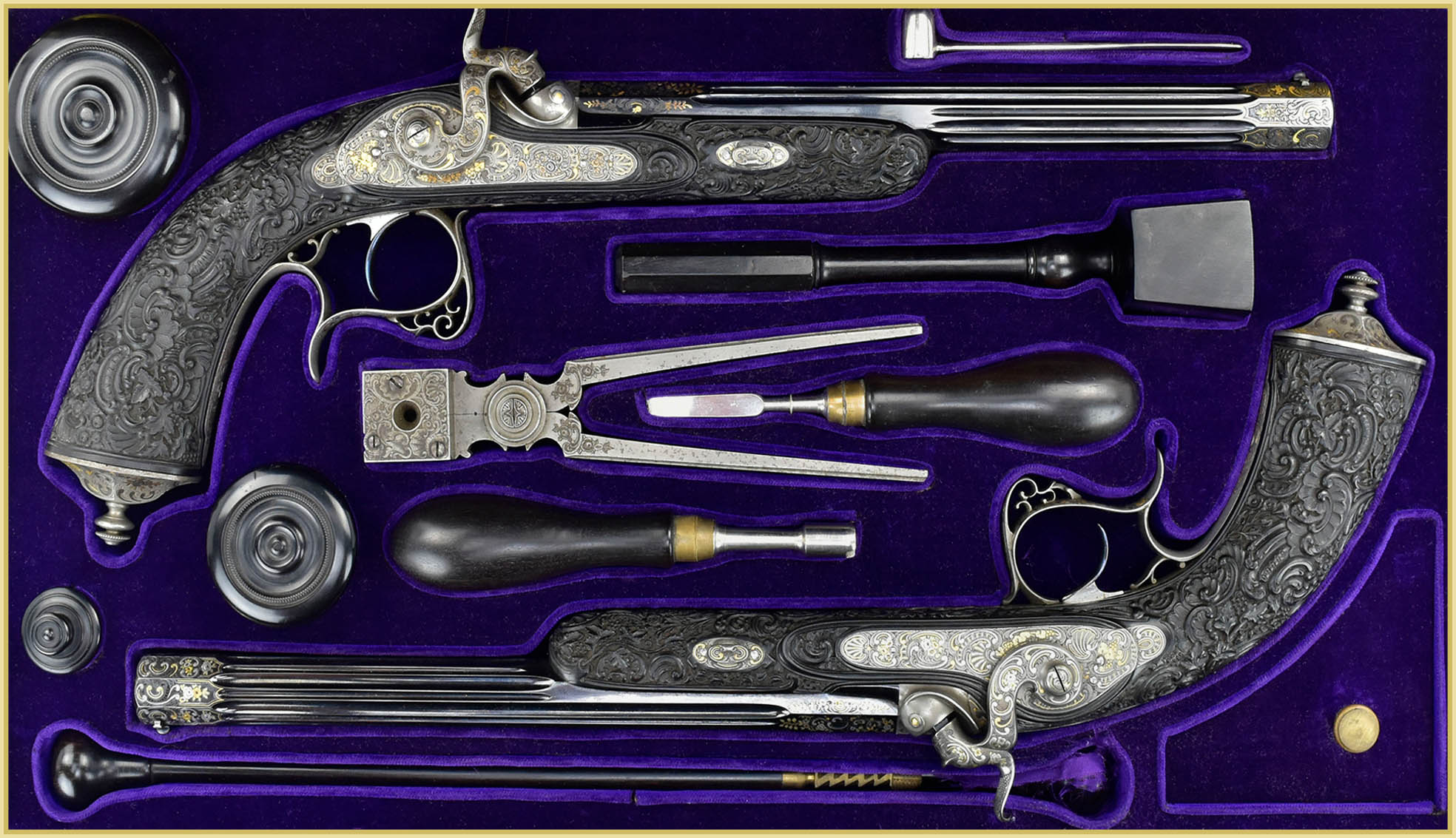

How to Sell My Gun: What Owners Should Know Before Selling a Firearm
Key Takeaways
- A firearm’s value can depend on condition, model, rarity, originality, provenance, and current collector demand.
- Owners have several firearm selling options, but the right approach depends on the firearm and the seller’s priorities.
- Working with a licensed firearms dealer can simplify valuation, documentation, and compliance considerations.
- Collectible firearms may require more detailed research than commonly available used guns.
- Federal and state laws can affect how a firearm may be transferred, so sellers should understand the requirements that apply to their transaction.
Selling a firearm is not always as simple as finding a comparable listing and choosing a price. A well-used modern firearm, a discontinued model, and a historically significant collectible can have very different markets.
For owners searching ‘sell my gun’ on Google, the first step is understanding what they have, what it may realistically be worth, and which selling method fits their circumstances. A careful process can also reduce the risk of overlooking documentation, condition issues, or applicable transfer requirements.
Thinking About Selling a Firearm?
Before choosing where to sell, gather the information available about the firearm. Make a note of the manufacturer, model, caliber or gauge, serial number, approximate age, and any distinctive features.
Original boxes, manuals, factory accessories, purchase records, and other documentation may also be relevant. Do not alter, refinish, disassemble, or otherwise modify a collectible firearm simply to make it look newer. Original condition can be important to collectors.
The reason for selling matters, too. Someone looking for a quick disposition may choose a different route from an owner who wants to maximize the potential value of a collectible.
How to Determine What Your Firearm May Be Worth
Firearm valuation starts with identification. Comparable listings can provide useful context, but an asking price is not necessarily the same as a completed sale price.
Research should consider the exact model and configuration rather than relying only on a manufacturer’s name. Production variations, discontinued versions, factory features, and historical significance can materially affect collector interest.
Used guns with substantial availability may be easier to compare. Rare or unusual firearms can require more specialized knowledge.
Condition, Rarity, and Provenance
Condition is one of the most visible factors affecting value, but it is not the only one.
Collectors may consider finishing, bore condition, mechanical integrity, originality, matching components, markings, modifications, and evidence of restoration. A firearm with honest age and original components may appeal to collectors differently from one that has been refinished.
Provenance can add another layer. Documentation connecting a firearm to a notable owner, historical event, military unit, or documented collection may influence collector interest when the connection can be substantiated.
That makes accurate descriptions important. Avoid presenting assumptions about a firearm’s history as established facts.
Understanding Different Selling Options
Owners have several firearm selling options, including working with a licensed dealer, pursuing a private transfer where legally permitted, or using an appropriate auction or consignment arrangement.
Every option has its own distinct requirements. A dealer may allow for a simpler process and the appraisement done by an expert. With an auction, it is possible to reach a particular audience. A private deal may carry out more obligations that parties must fulfill to comply with legislation.
For owners researching an online gun store, the important question is not simply whether a business operates online. Sellers should determine how the business handles valuation, possession, shipping, transfers, documentation, and compliance.
Working With a Professional Firearms Dealer
A reputable gun dealer can provide an informed perspective on firearm conditions, market categories, and potential value.
This can be particularly useful when an owner has inherited a collection, cannot identify a model confidently, or suspect that a firearm may be collectible. Professional evaluation can also help distinguish an ordinary used firearm from one with characteristics that warrant additional research.
A dealer should clearly explain how an offer, consignment of arrangement, commission, or other transaction structure works before the owner commits.
Common Mistakes to Avoid
Several mistakes can make the selling process more difficult.
Pricing a rare firearm solely by looking at a few internet listings can produce unrealistic expectations. So can assume that age automatically makes a firearm valuable. Missing accessories, replacement parts, modifications, restoration, and condition can change the equation considerably.
Another mistake that is frequently made is neglecting legal specifications. Sellers must understand the legalities behind the sale before making the payment or delivery.
When Is a Professional Appraisal Worthwhile?
A professional appraisal can make sense when the firearm is rare, historically significant, inherited, unusually configured, or difficult to identify.
It may also be worthwhile when the owner has documentation suggesting unusual provenance or when several firearms are being evaluated as a collection. An experienced professional can identify details that a general online comparison may overlook.
A professional appraisal can be worthwhile for rare, inherited, historically significant, or difficult-to-identify firearms. The American Rifleman FAQ also recommends finding a qualified appraiser who can physically inspect an old, antique, or rare firearm when an owner needs a more informed assessment of its value.
Selling With Better Information
The best starting point is not a sales platform. It is accurate identification.
Once an owner understands the firearm’s condition, history, documentation, potential market, and applicable legal requirements, choosing among firearm selling options becomes considerably easier. Professional guidance can be especially valuable when the firearm has collectible characteristics or when its history is uncertain.
Owners considering whether to sell a firearm can consult an established firearms dealer such as Collectors Firearms to discuss identification, valuation, and appropriate next steps.
FAQs
How can I determine what my gun is worth?
Where can I sell a collectible firearm?
Does firearm condition affect its value?
Does provenance affect firearm value?