- AIR GUNS
- Books
- Consignment
- Old West
- Short Barrel Rifle
- Short Barrel Shotgun
- Hall of Fame
- American Indian
- Colt Guns
- Winchesters
- Modern Handguns for Sale
- Rifles
- Shotguns
- Class III Firearms & NFA Items
- Antique Handguns
- Antique Long Guns
- Commemorative Firearms
- Swords and Knives
- Militaria
- Antique Ammo, Tools & Neat Stuff
- Japanese Swords, Fittings and Firearms
- Ammunition
- Accessories, Scopes and Ammo
Historic RCMP Indian War Identified Adams Mark III Revolver W/ Sitting Bull Connection ( 79351)
Price: $25,000.00
Item Number: 79351
Houston Location.
In stock
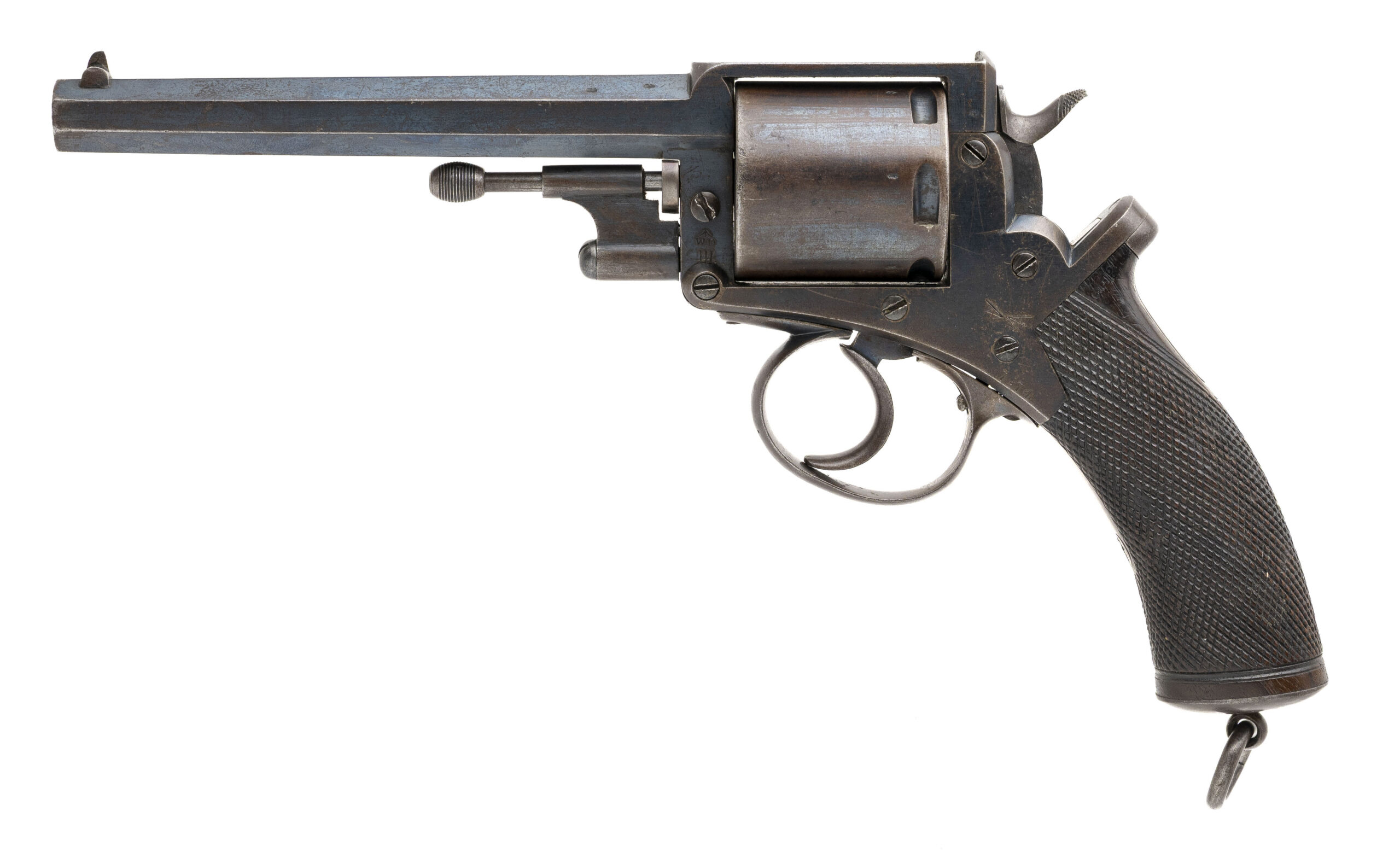
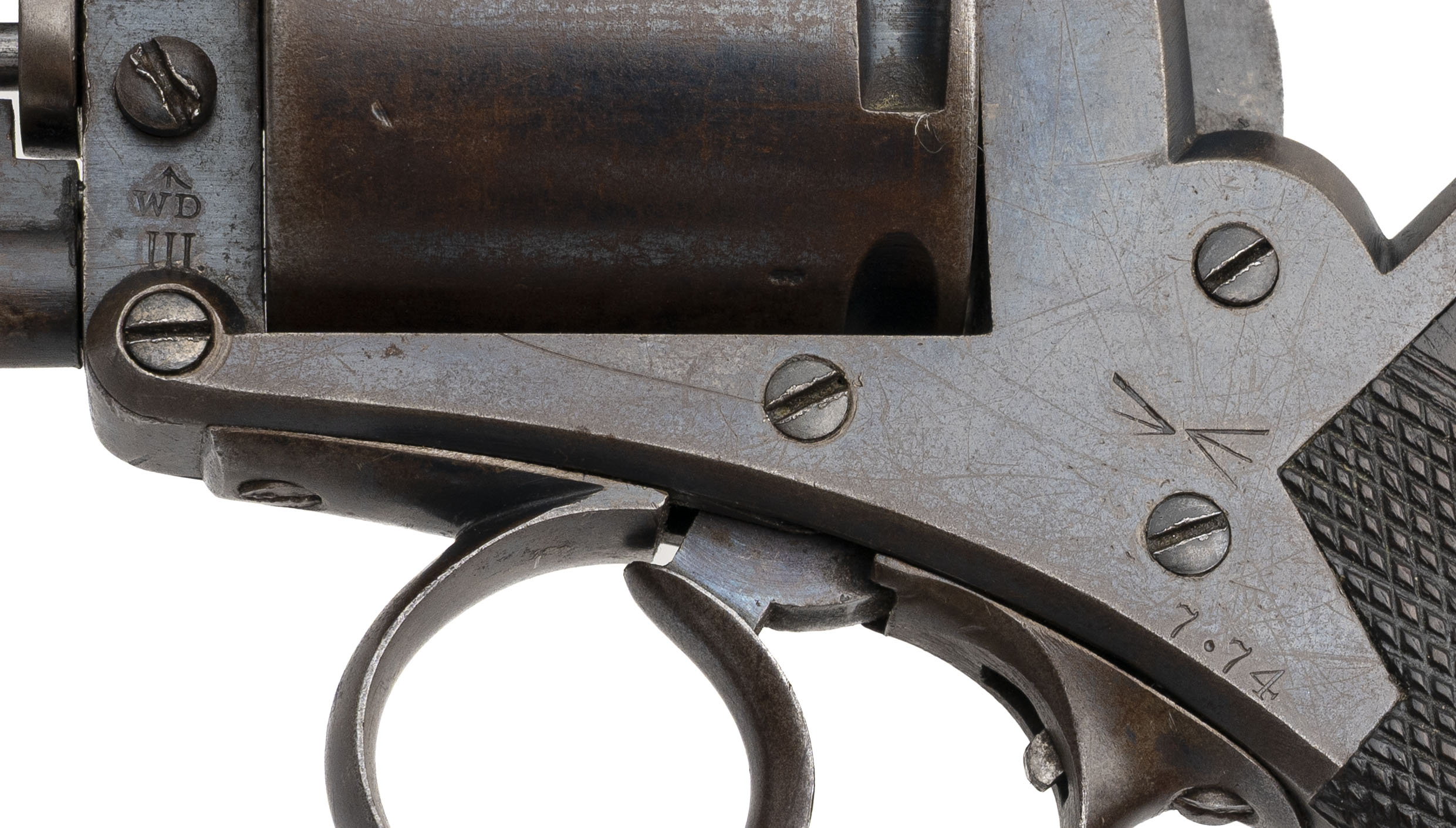
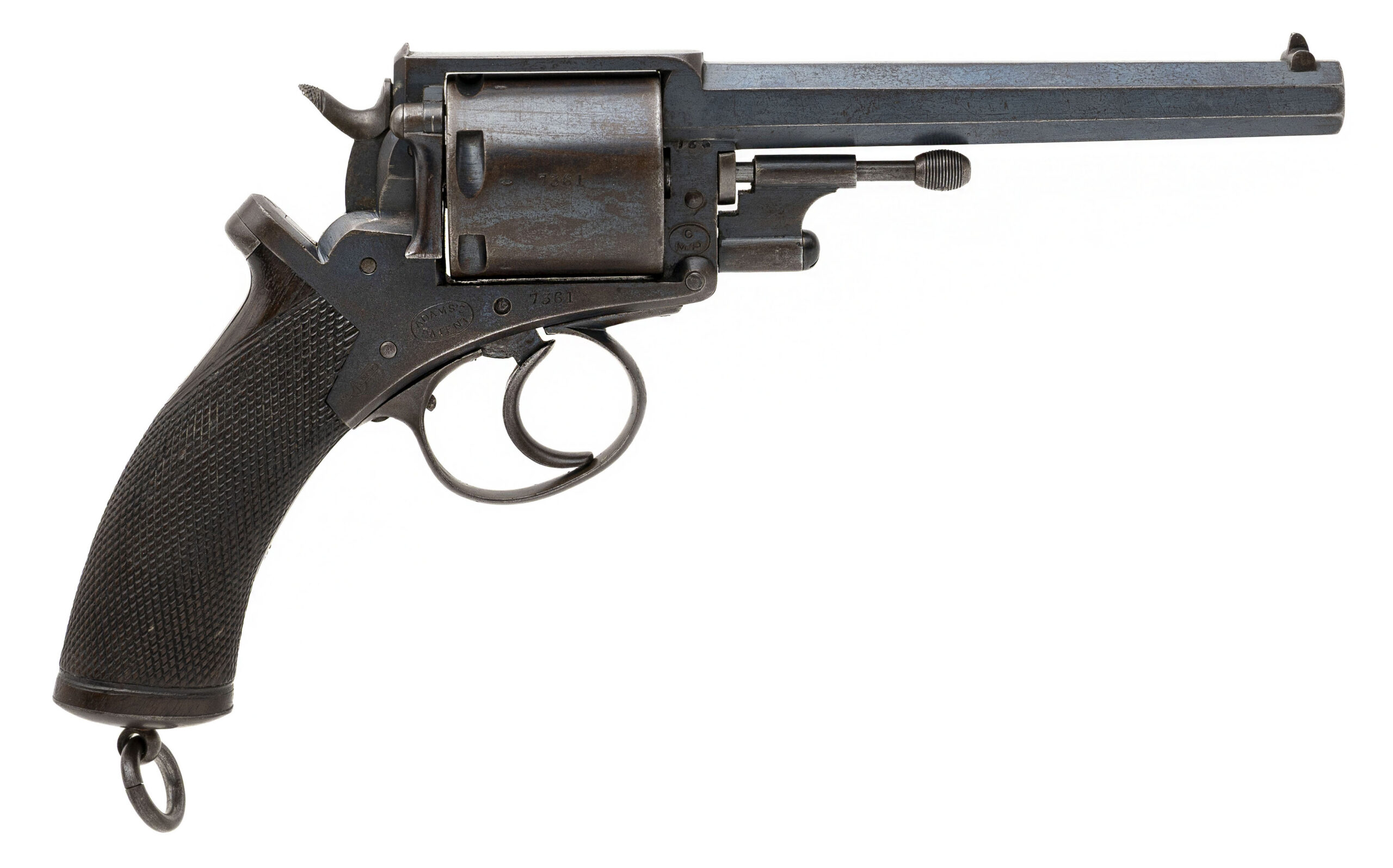
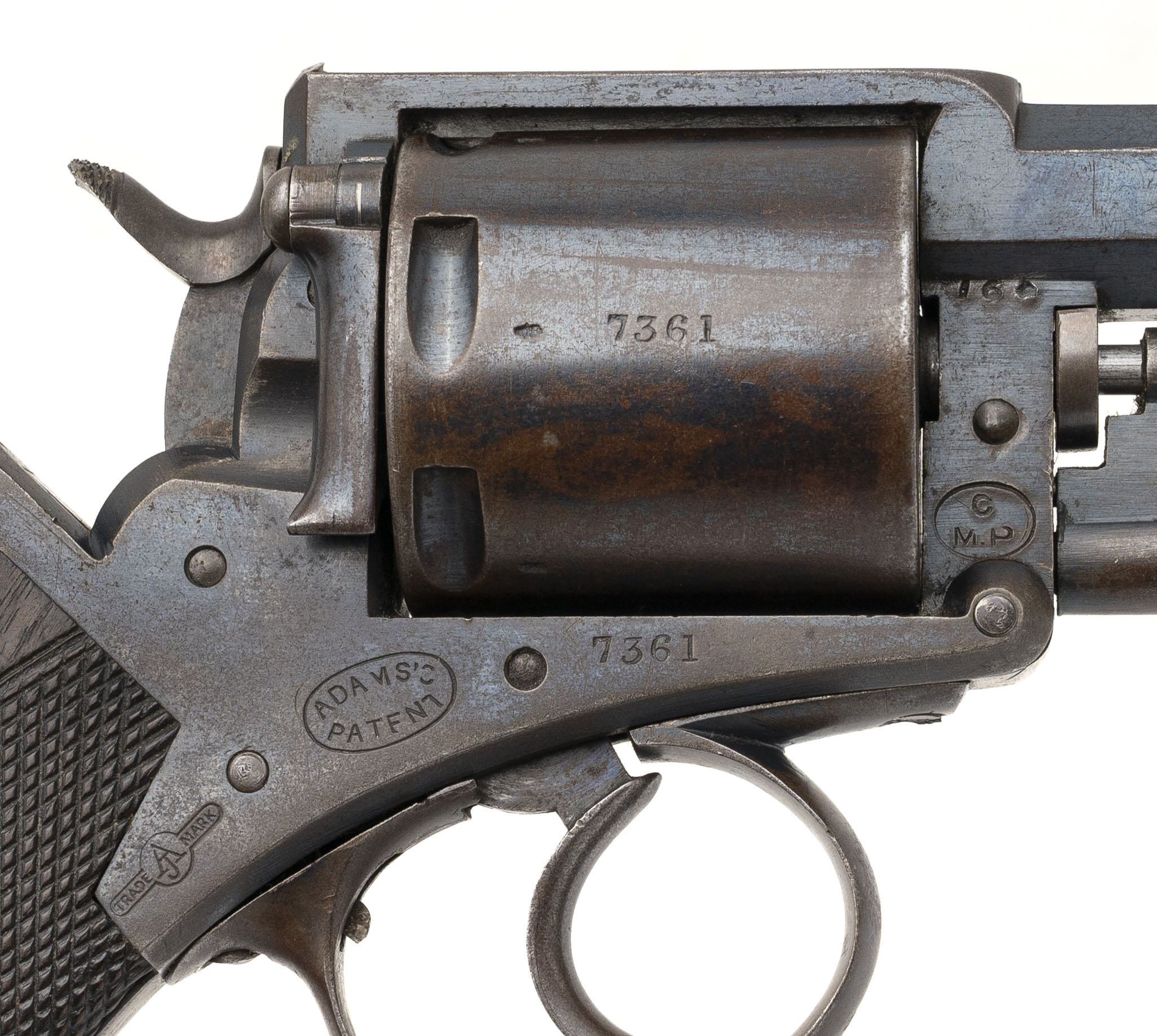
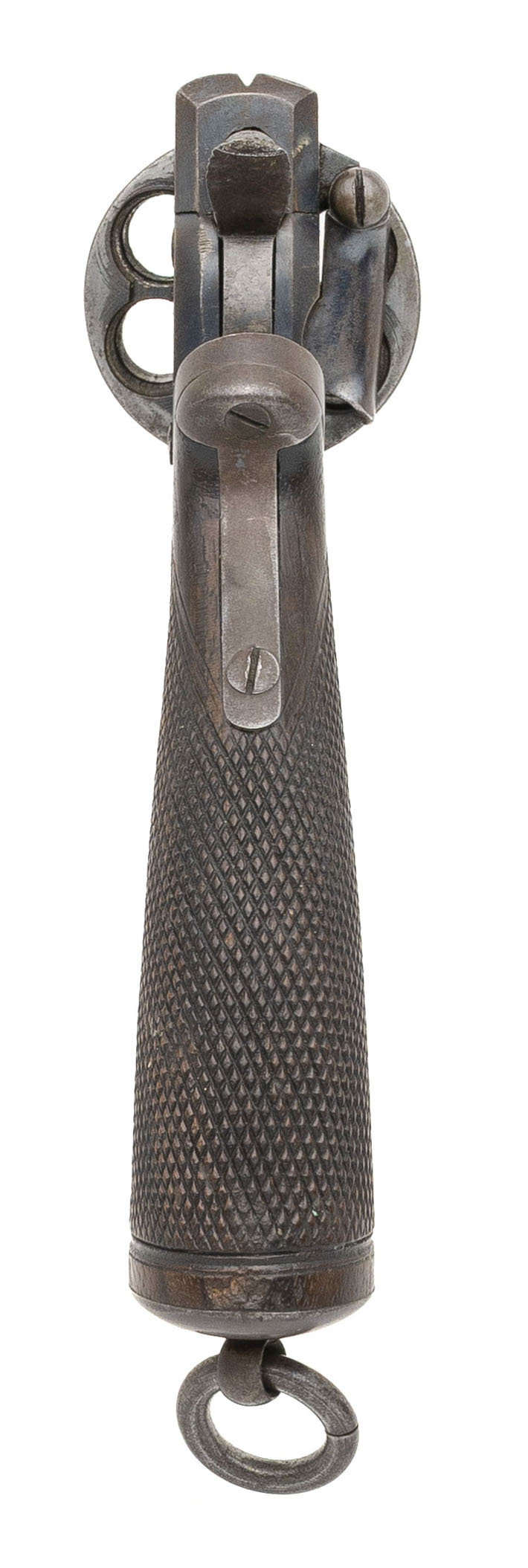
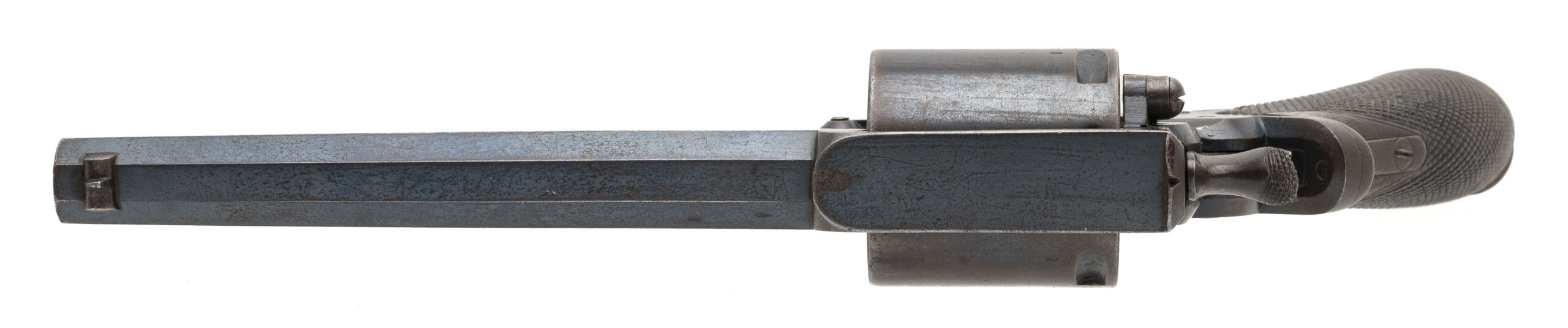
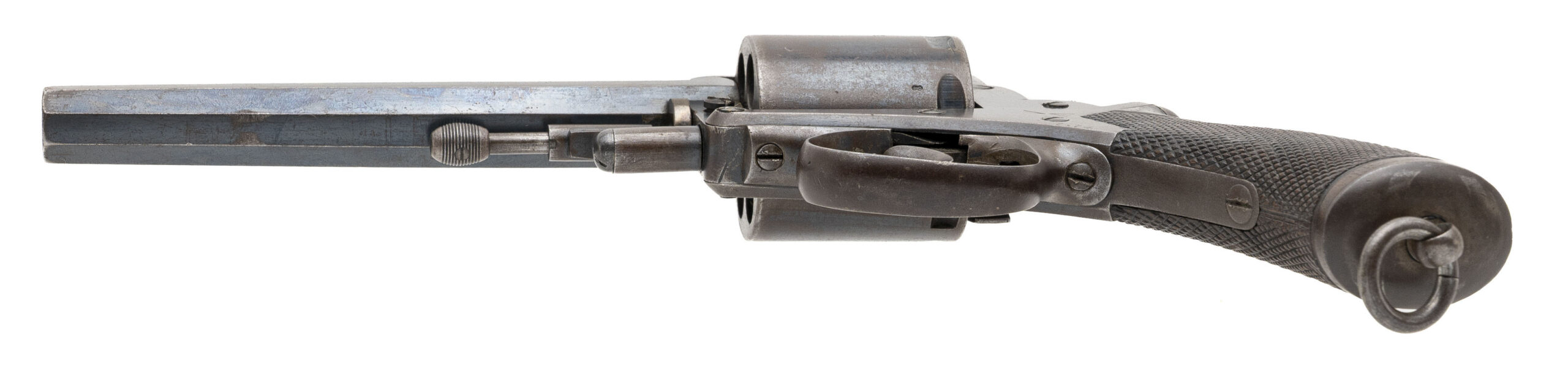
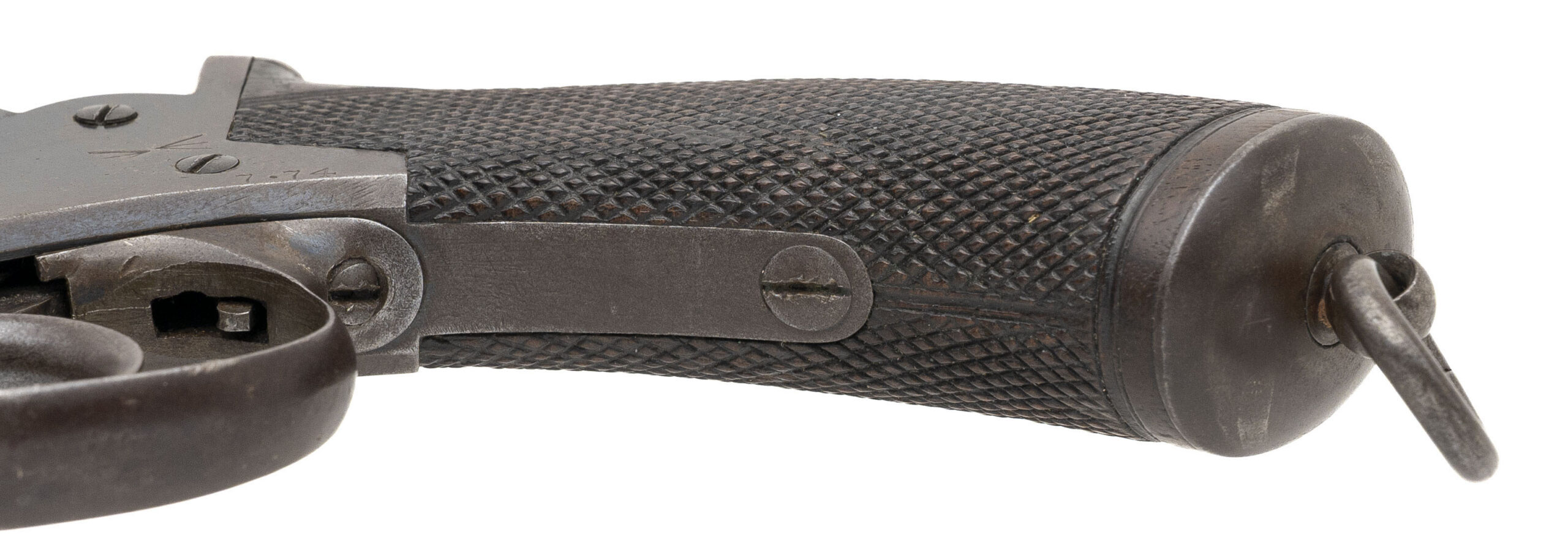
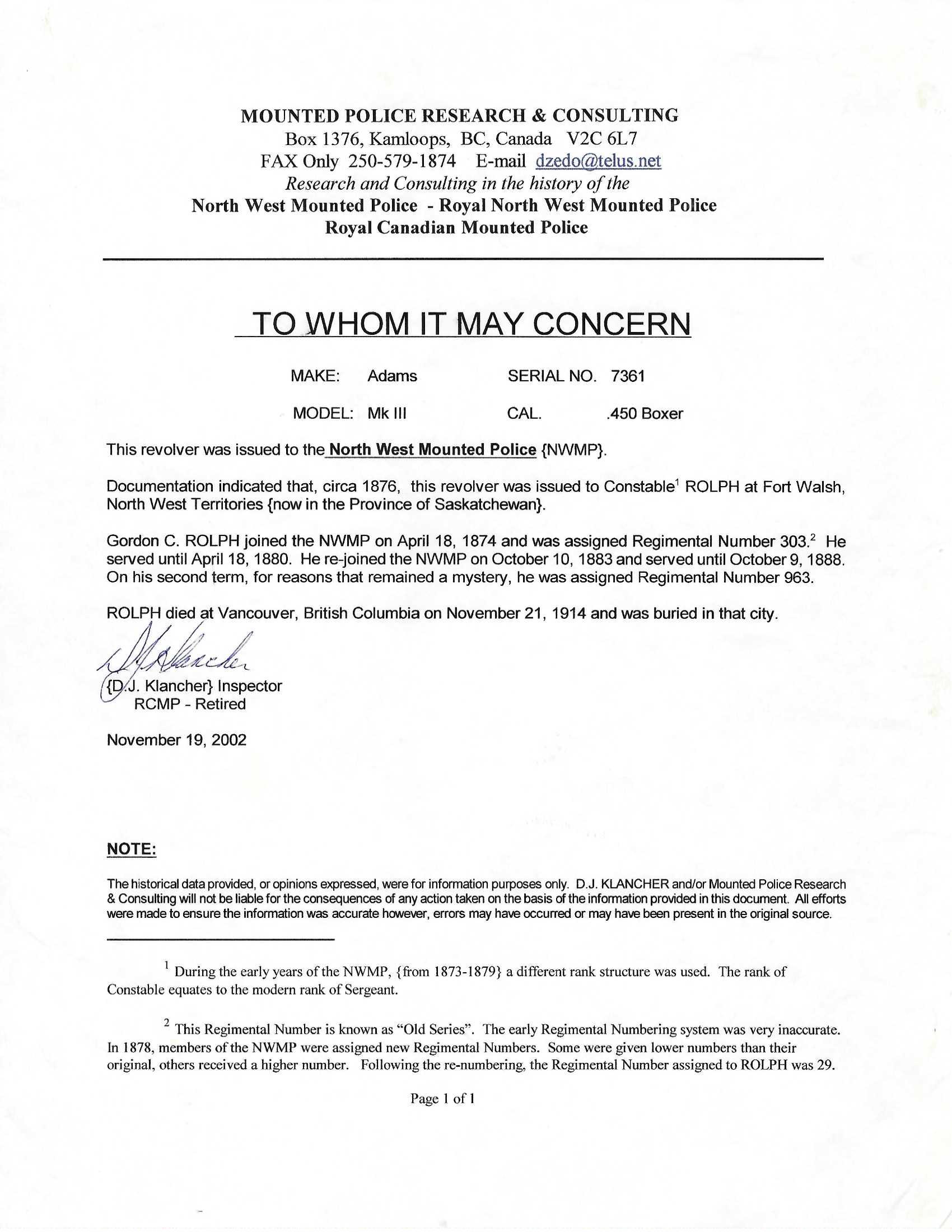
Serial number 7361. Made in mid 1870s. This gun is in 455 caliber with a 6" barrel. Approximately 80% of the original blue remains. The grips are very good with normal carry wear. This is a very unique gun as it is identified to Constable Gordon C Rolph of the North West Mounted Police. It comes with a letter from Don Klancher, who is the foremost researcher on guns of the RCMP. Constable Rolph had an extraordinary career. Accompanying this gun is three binders of research!
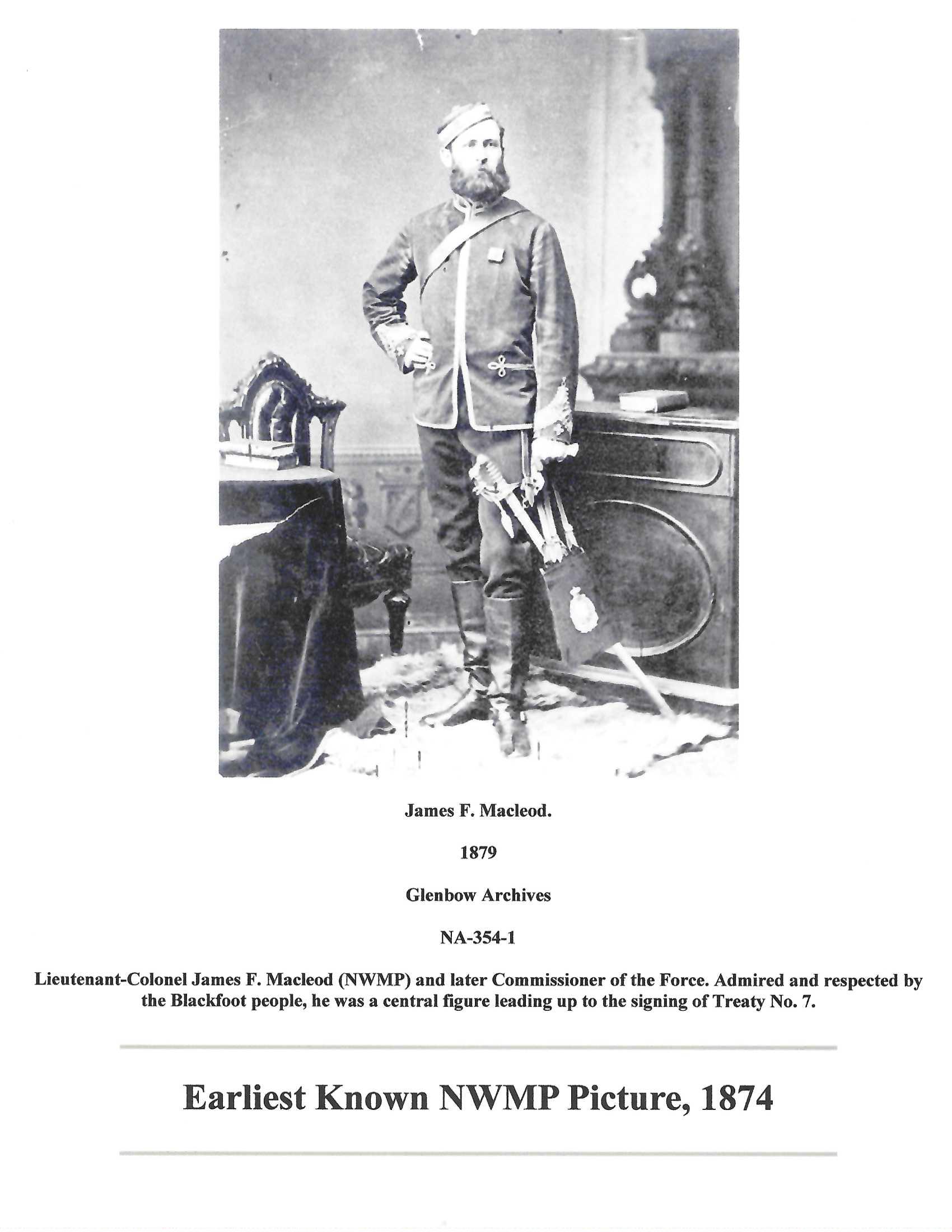
Gordon G. Rolph was one of the original members of the North-West Mounted Police and a veteran of the celebrated 1874 March West. Initially serving as a constable in “B” Division, Rolph was assigned to the command of Superintendent James Morrow Walsh at Fort Walsh in the Cypress Hills. There he served during one of the most dangerous and historically significant periods on the Canadian frontier, when thousands of Lakota and other Indigenous refugees crossed into Canada following the Battle of the Little Bighorn. Rolph’s later service number was 29, and surviving records connect him directly with the Fort Walsh–Wood Mountain district during the Sitting Bull crisis.
One of the most remarkable surviving images from this period is an 1878 photograph showing Rolph and Constable William George Mowatt beside the scaffold, or “sky burial,” of a Lakota man reportedly wounded at the Battle of the Little Bighorn who later died after reaching Canada. The photograph’s historical caption identifies “Sergt. G. Rolph” of B Troop at the East End Post. Whether the rank was recorded contemporaneously or added later, the image provides extraordinary visual evidence that Rolph personally operated in the remote eastern country associated with the Lakota camps. An official report submitted by “Constable Gordon Rolph” in February 1879 further demonstrates his direct involvement in Sioux affairs. His service was subsequently recognized through an NWMP certificate of service and land warrant preserved by Library and Archives Canada. There is also a strong probability that Rolph was one of the constables who accompanied Walsh to his celebrated first meeting with Sitting Bull in May 1877. The official history records that Walsh entered Sitting Bull’s immense camp with Sergeant Robert “Bob” McCutcheon, three unnamed constables, and scouts Louis Léveillé and Gabriel Solomon. Following an afternoon-long council during which Walsh firmly explained Canadian law, the small police party spent the night within the Lakota encampment. The following morning, the three constables participated in the confrontation with White Dog and two companions over horses stolen from Father De Corby. Rolph is not specifically named in the published account, so his presence cannot yet be stated as proven. Nevertheless, he was an experienced B Division constable serving under Walsh, stationed within the Fort Walsh command and demonstrably employed in the same eastern Lakota country. He therefore fits precisely the known description of the unidentified constables selected for this exceptionally hazardous mission. Gordon G. Rolph emerges from the surviving record as a seasoned and exceptionally courageous frontier policeman. He endured the March West and subsequently helped enforce Canadian law across an immense and isolated territory during the turbulent years following the Battle of the Little Bighorn. Rolph belonged to a small body of men who entered camps containing hundreds of armed warriors with only a handful of policemen at their backs, relying upon discipline, personal courage and an unwavering refusal to be intimidated. His documented association with Fort Walsh, the Little Bighorn refugees and the Sitting Bull period places him among the most compelling members of the original North-West Mounted Police.
You might be also interested in…
-

Bacon Pocket Model Revolver .31 Caliber (AH2802)
$2,495.00Bacon Pocket model .31 caliber revolver. Beautiful condition for a Bacon. Gun has 80% original finish. Rammer and hammer have 98% bright case colors. ...Read more -
Pair of James Lees Marked Percussion Pistols (AH2575)
Original price was: $4,750.00.$2,950.00Current price is: $2,950.00.Pair of excellent quality percussion single shot pistols. Pistols are English made and are marked James Lees, Perth. Lees was most likely the seller i...Read more -
European flintlock pistol .75 caliber (AH8730)
$1,200.00NSN, circa mid to late 18th century, .75 caliber, 11" octagonal to round barrel. Barrel and other metal parts are a dark brown to light grey patina in...Read more