
Budget-Friendly Big-Game Rifles and What Hunters Should Consider
Key Takeaways
- Choose a big-game rifle based on reliability, fitness, suitability, and long-term costs, not price alone.
- Cartridge selection should reflect the intended game, hunting regulations, and the hunter’s experience.
- Used rifles and classic firearms can offer value, but their condition and history require careful assessment.
- Include optics, ammunition, maintenance, storage, and training in your budget.
- Research a rifle for sale in Houston requires attention to condition, suitability, and legal transfer requirements.
Choosing a budget-friendly big-game rifle involves more than finding the lowest price. Hunters should consider the game they plan to hunt, how comfortably the rifle fits, its reliability, and the costs of long-term ownership. Equipment choices should reflect the intended game, the hunter’s comfort, and the effort required to maintain the equipment. Some older sporting rifles may be of interest and classic firearms may be suitable if there is proof that they are in good condition and good use.
Look Beyond the Purchase Price
When comparing affordable rifles, consider both the initial purchase price and the ongoing cost of ownership. Total ownership costs include optics, ammunition, secure storage, maintenance, and a gunsmith’s inspection for a used rifle. Evaluating all costs will enable you to choose a truly inexpensive rifle.
1. Define Your Hunting Requirements
Begin with the species and conditions you intend to hunt. Big-game species, such as deer and elk, differ in size, and equipment requirements can vary with the terrain and local hunting regulations.
Check local hunting regulations before selecting a rifle or cartridge. Requirements vary by jurisdiction and may specify permitted hunting methods or minimum cartridge standards.
That doesn’t just apply to fit and handling, either. Take into account the weight, balance and comfort of the rifle. If the weapon is not balanced or of a weight that does not match the person carrying it, it may cause problems with carrying it throughout a long day outside. Select equipment that is appropriate for you.
2. Compare Cartridge Suitability and Availability
Choose a cartridge based on the intended game, applicable regulations, and your ability to manage recoil. A more powerful cartridge is not necessarily the better option.
Ammunition availability also affects the budget. Established sporting cartridges may be easier to find than less common options, which can cost more. Include regular practice of ammunition in your calculations rather than focusing exclusively on the purchase price.
Consult manufacturer guidance and reputable hunting resources when comparing cartridges. There are issues of proficiencies, ethical shots, and proper distance to consider.
3. Consider Used and Classic Rifles
A new rifle is not the only option. Pre-owned sporting rifles may offer good value if their condition and history are carefully assessed.
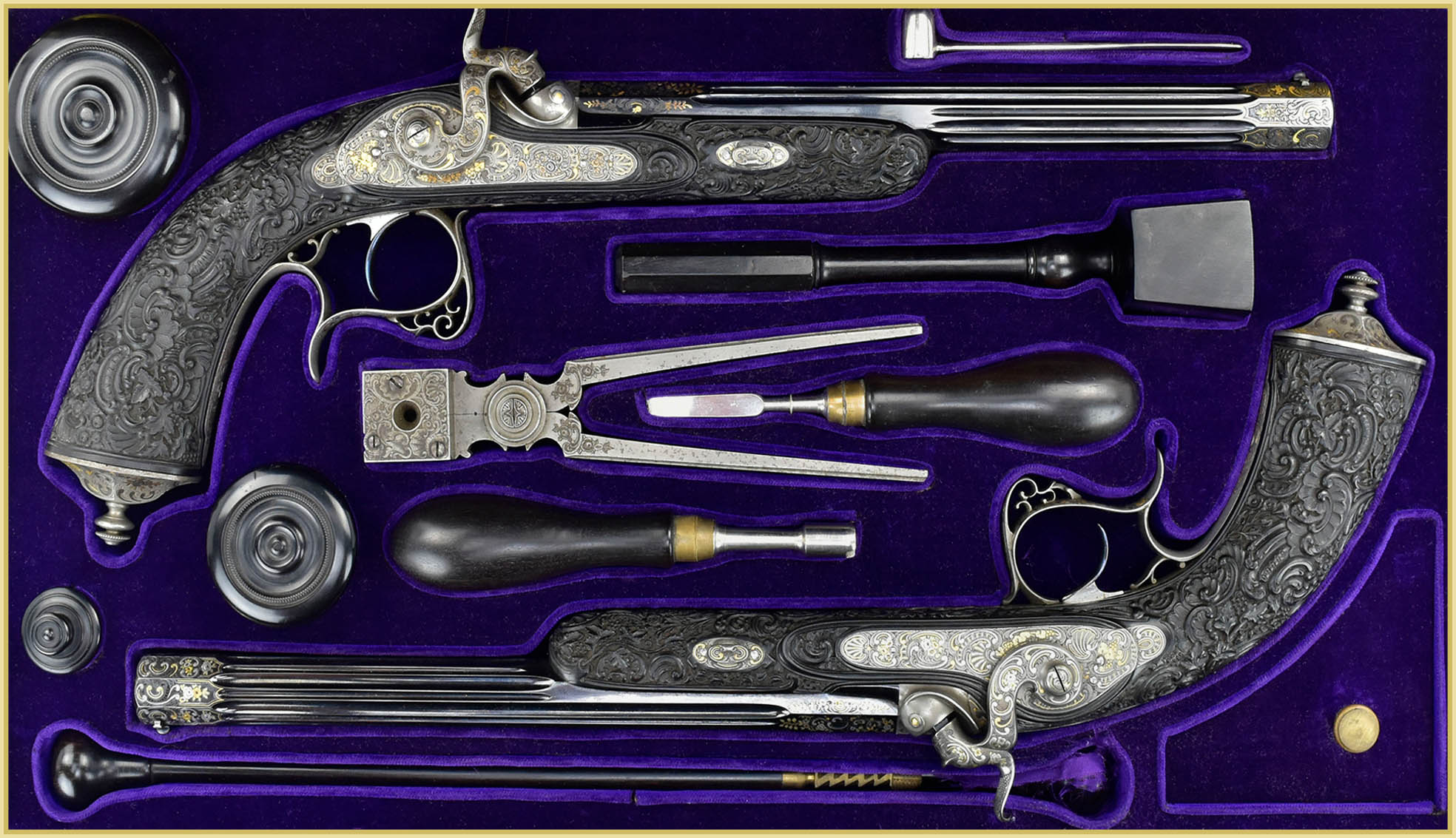
Classic firearms appeal to collectors and hunters for their craftsmanship, historical significance, and established designs. However, age alone does not make a rifle a worthwhile purchase. Corrosion, wear, undocumented modifications, and scarce replacement parts may create additional costs.
Ask about the firearm’s maintenance history, previous repairs, and modifications. Have a qualified gunsmith inspect an unfamiliar or older rifle before use. Never assume an older rifle is safe because its exterior looks well maintained. Its condition and compatibility with intended ammunition should be professionally verified.
4. Inspect Before Buying
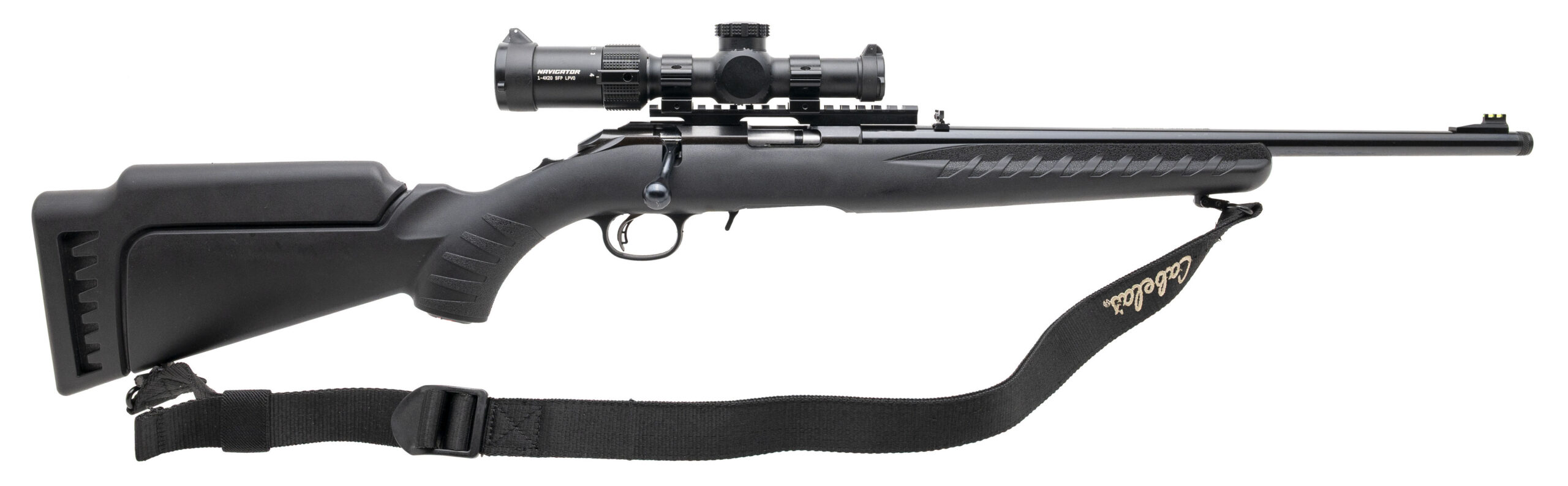
Check the rifle’s visible condition, documentation, fit, and intended use. For a used firearm, ask about its history and modifications, and have a qualified gunsmith to assess safety-critical components.
For collectible models, original markings and documentation may influence historical interest and value. Replacement parts and future maintenance should also factor into the decision.
Hunters researching a rifle for sale in Houston can use these considerations when comparing listings and consulting established dealers. Collectors Firearms is a resource for researching sporting and collectible firearms, though each item needs individual evaluation.
5. Prioritize Safety and Responsible Use
Safety should not be sacrificed in the interest of a limited budget. Use only compatible ammunition with firearms, follow manufacturer instructions and store firearms securely in compliance with applicable laws.
Make sure to check licensing regulations, the season, which species are allowed to be hunted, and local regulations before hunting. Hone your skills in a legal environment and get to know your gear before going on location.
A gun shop in Houston may help answer general questions about available models. Verify current regulations independently and seek qualified professional guidance when evaluating an unfamiliar firearm.

FAQs
1. What matters most when choosing a budget-friendly big-game rifle?
2. Are used rifles worth considering?
3. Are classic firearms suitable for hunting?