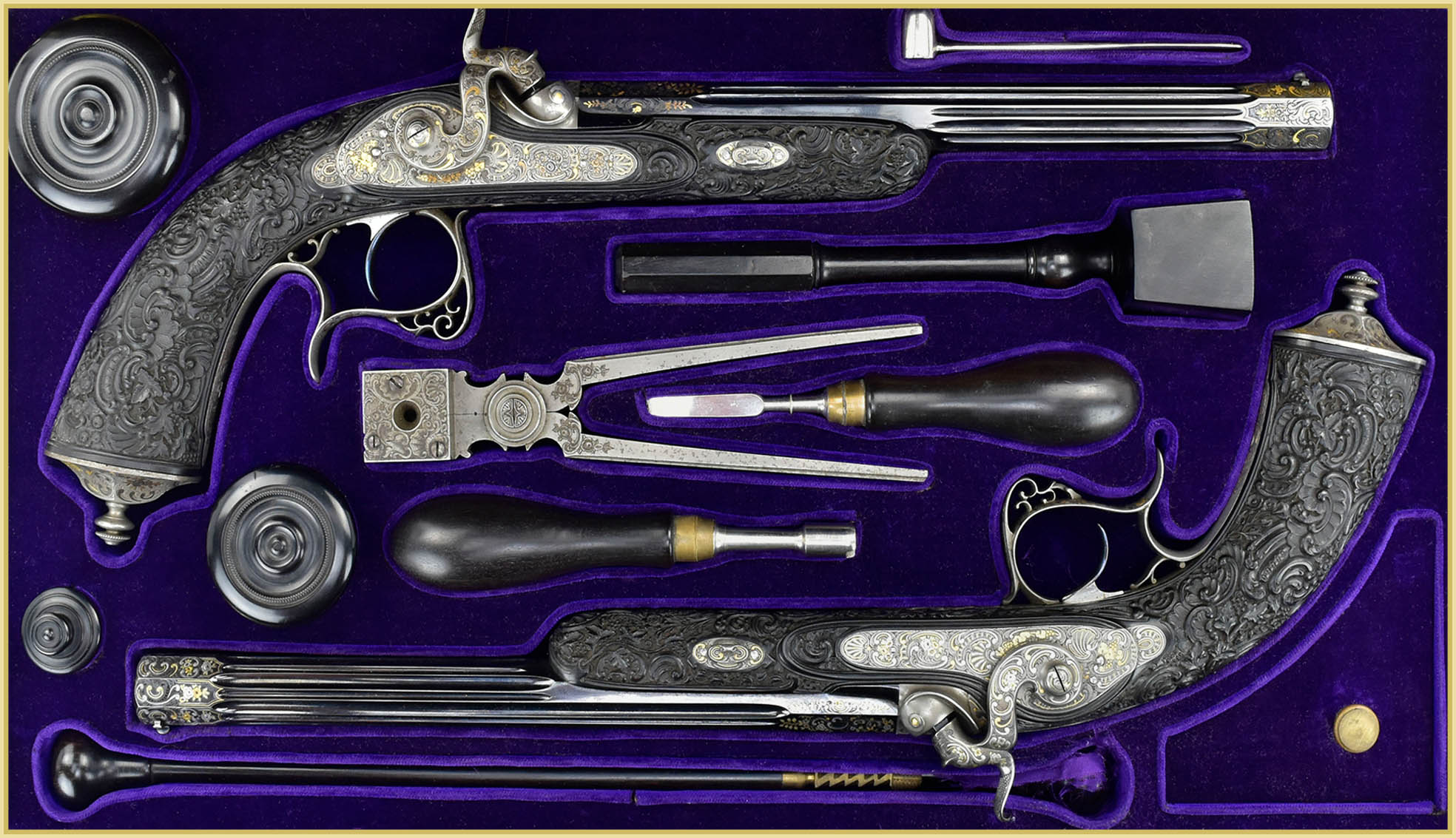
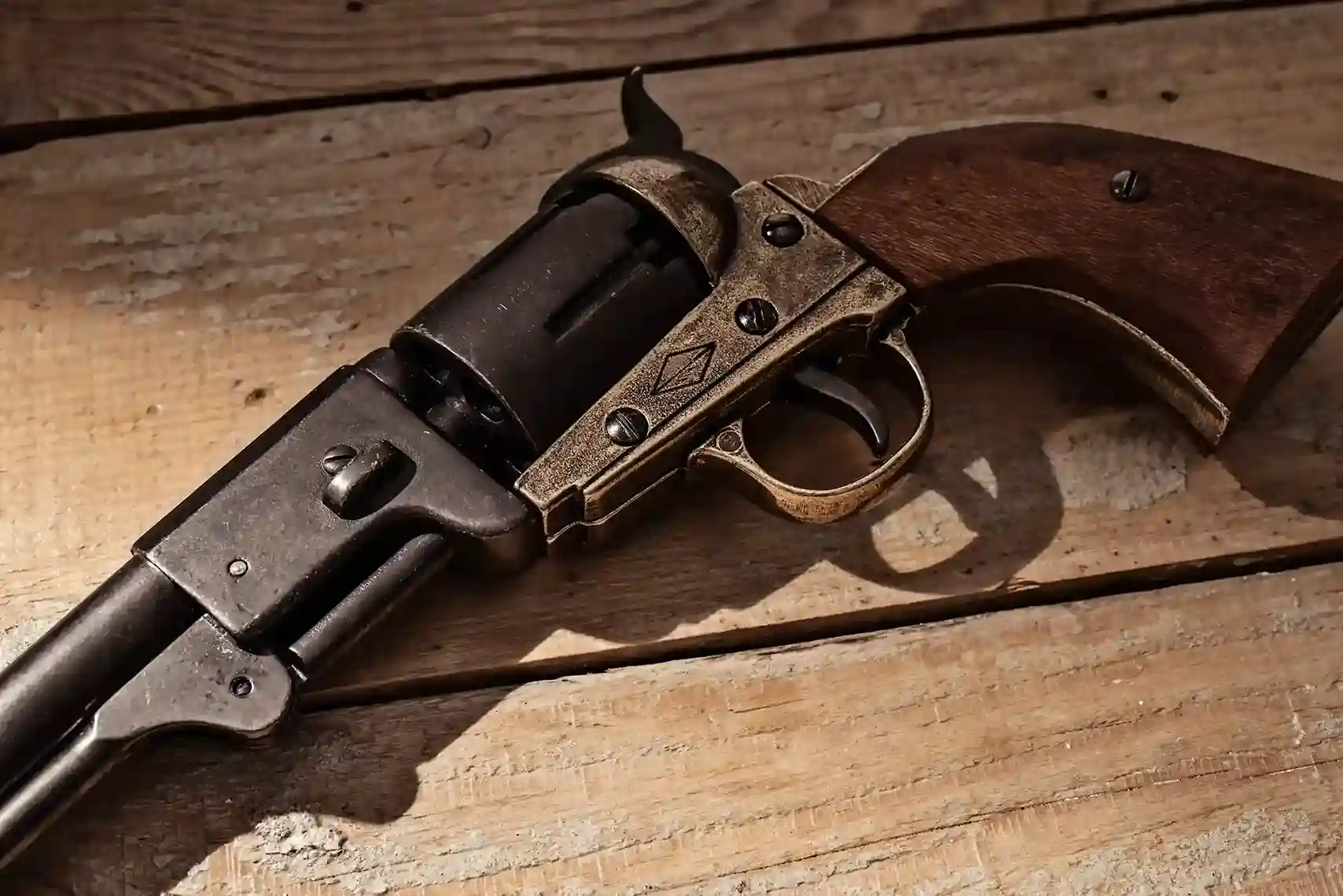
Why Preservation Matters: Caring for Antique Guns and Military Collectibles
Being a part of history is an honor, but it also carries a heavy burden of responsibility. You have either inherited a Civil War musket or are the curator of a museum-quality exhibit of Military Collectibles; you are more than just an owner; you are a custodian. These artefacts have survived battlefields, years of ocean travel, and decades of storage to reach you. It is now aimed at making them survive for the next generation.
Nevertheless, conservation is fine art. good intentions of the owners usually cause more harm in ten minutes of cleaning than centuries of negligence. The science of decay and the laws of conservation are the key to saving the financial and historical value of your Antique Guns.
The “Do No Harm” Principle
Historical preservation is subject to the same medical ethics rule: Primum non nocere. In the world of classic firearms, it is critical to distinguish between cleaning and restoring.
Numerous new amateurs are tempted to turn an old object into a new one. They may use a wire brush on a rusty bayonet or sand down the stock of an old rifle to get the scratches out. This is a disastrous error. The metal surface is dark and old; the layer is called patina, formed over decades. It tells the item’s story.
The Cost of Over-Restoration: Industry statistics and appraisal manuals indicate that, by being too vigorous in cleaning or refinishing a collectible firearm, its value can be diminished by more than 50%. In extreme cases where factory identification is obliterated, the product is essentially useless to serious investors.
Controlling the Environment
Drops and mishandling are not the greatest dangers to your collection, but temperature and humidity are. The Antique Guns are usually made of mixed materials, steel, wood, and leather, all of which react differently to the surrounding air.
- Humidity: Moistureis the enemy. Steel rusts and leather molds when humidity is high. Due to low humidity, wood stocks have become smaller and cracked. According to the National Rifle Association (NRA) National Firearms Museum, the relative humidity should be 50-55%. Buy a good dehumidifier for your gun room. In case you keep stuff in a safe, desiccant pack or an electric device called a Golden Rod can be used to push out the moisture.
- Temperature: Extremes are as harmful as swings. A quick transition from cold to hot may cause condensation on cold metal surfaces, leading to an instant flash rust. Target a steady temperature of about 70 o C (21 o C).
Best Practices for Cleaning and Handling
In the instances when you have to deal with your classic firearms, leave the domestic cleaners to the sink. The 19th-century finishes are frequently too delicate to be used in modern solvents.
- Wear Gloves: The oils on the human skin are acidic. Ghost prints, Fingerprints on a barrel may cut into the metal, creating permanent prints over time. Severe amateurs always put on white cotton or nitrile gloves when handling objects.
- Wax, Don’t Oil: To preserve the artwork in the long term, museum curators use microcrystalline wax (such as Renaissance Wax) instead of gun oil. Eventually, oil may evaporate or lie in wooden stocks, softening them and making them rot (a condition referred to as punkiness). An airtight layer of wax is a thin coating that protects the product from oxygen and moisture.
Caring for Non-Firearm Military Collectibles
Although the greatest attention is paid to guns, other Military Collectibles, such as uniforms, medals, and documents, have their own procedures.
- Clothing: Wool clothes are mothballs. Keep them in acid-free boxes or garment bags; never have a vintage uniform dry cleaned; the chemicals will ruin the fibers.
- Leather: Old leather holsters and slings must be impregnated with a good preservative, such as that of Pecard. Never, however, keep a gun in a leather holster for long. The chemicals applied in tanning may attract moisture in the air and corrode the metal pistol that is stored inside.
Conclusion
It is not only about keeping the financial value intact but also about the respect of the soldier, lawman, or pioneer who carried these tools in the first place.
Thinking will help you ensure that the stories engraved in wood and steel are readable in the future.
Ensuring that the stories engraved in wood and steel are readable in the future will be facilitated by the process of contemplation. If you are interested in expanding your collection or seeking information on the provenance of a specific work, trust the experts who are as passionate about history as you are. At Collectors Firearms, we are dedicated to the moral preservation of history. and invite you to honor our collection of militaria and rare antique guns.