The Role of Museums and Collectors in Preserving Military History
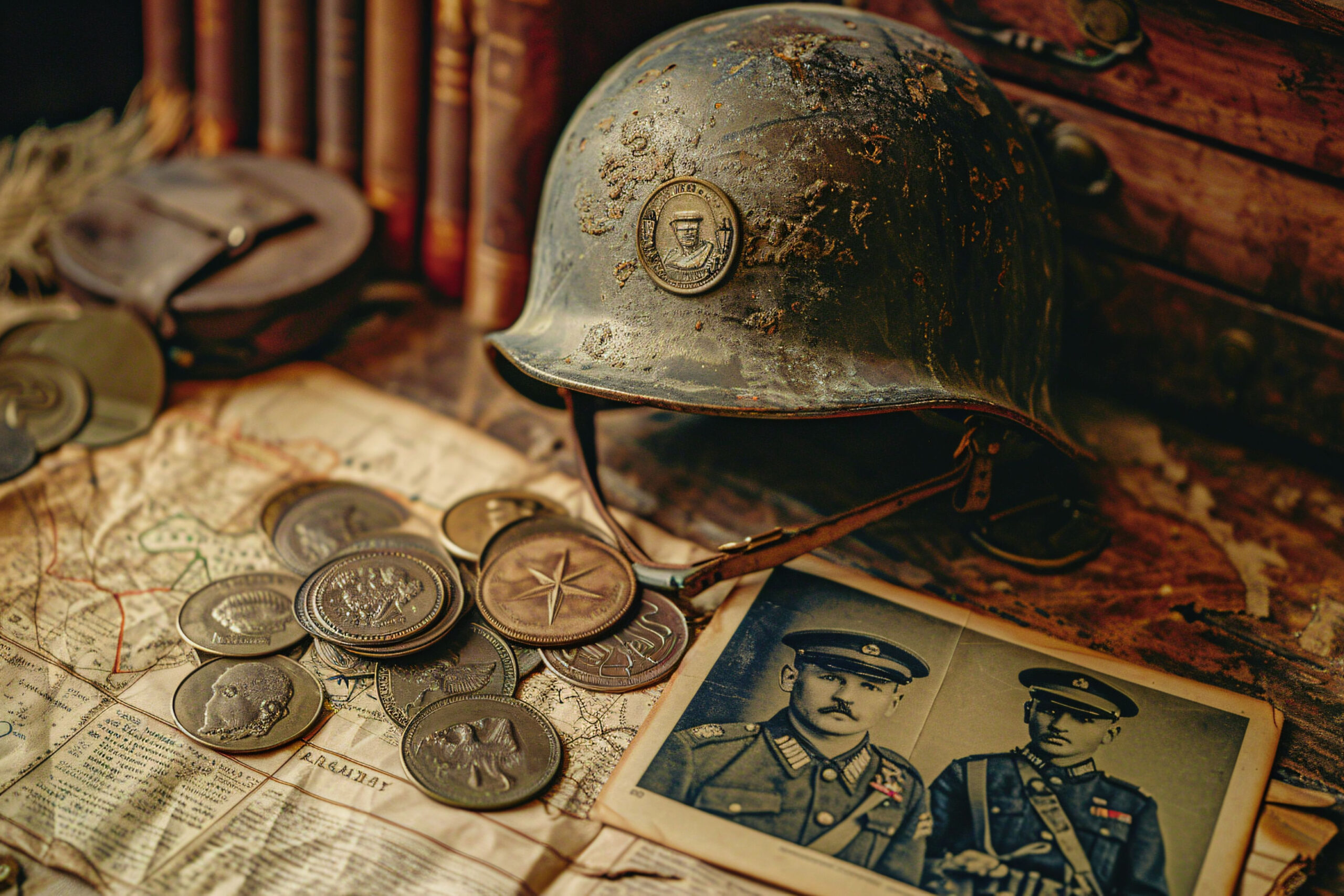
Records alone do not preserve military history. Documents explain history, while physical objects carry the weight of experience. Weapons, uniforms, tools, and personal equipment are the means through which one can see how people fought and experienced these conflicts. Without careful preservation, these objects would silently vanish, taking their stories along with them.
Museums are typically considered the main custodians of history; nonetheless, private collectors also greatly contribute to that role. The triumph of many historical military artifacts over time primarily rests on individuals being already aware of their importance long before institutions could acquire them. Thus, museums and collectors have developed an informal partnership that significantly aids the preservation of the material record of military history.
Museums as Public Stewards of Military Heritage
Military museums are not just for show, and their public responsibility is their main purpose. Their role goes through long-term preservation, research, and education. The items are cataloged, conserved, and interpreted in the context of a wider history.
Museums generally emphasize:
- Control of the environment to delay the degradation of materials
- Use of professional preservation techniques
- Providing accurate historical context along with documentation
- Along with public access, education is also a major concern
The artifacts in museum collections are not being preserved for the sake of ownership, but rather for the sake of continuity. Every single item gets the status of evidence instead of decoration.
The Quiet Contribution of Private Collectors
While museums preserve history publicly, collectors often preserve it privately. Individual collectors first saved many items now held by institutions, recognizing their significance when they were still considered surplus or obsolete.
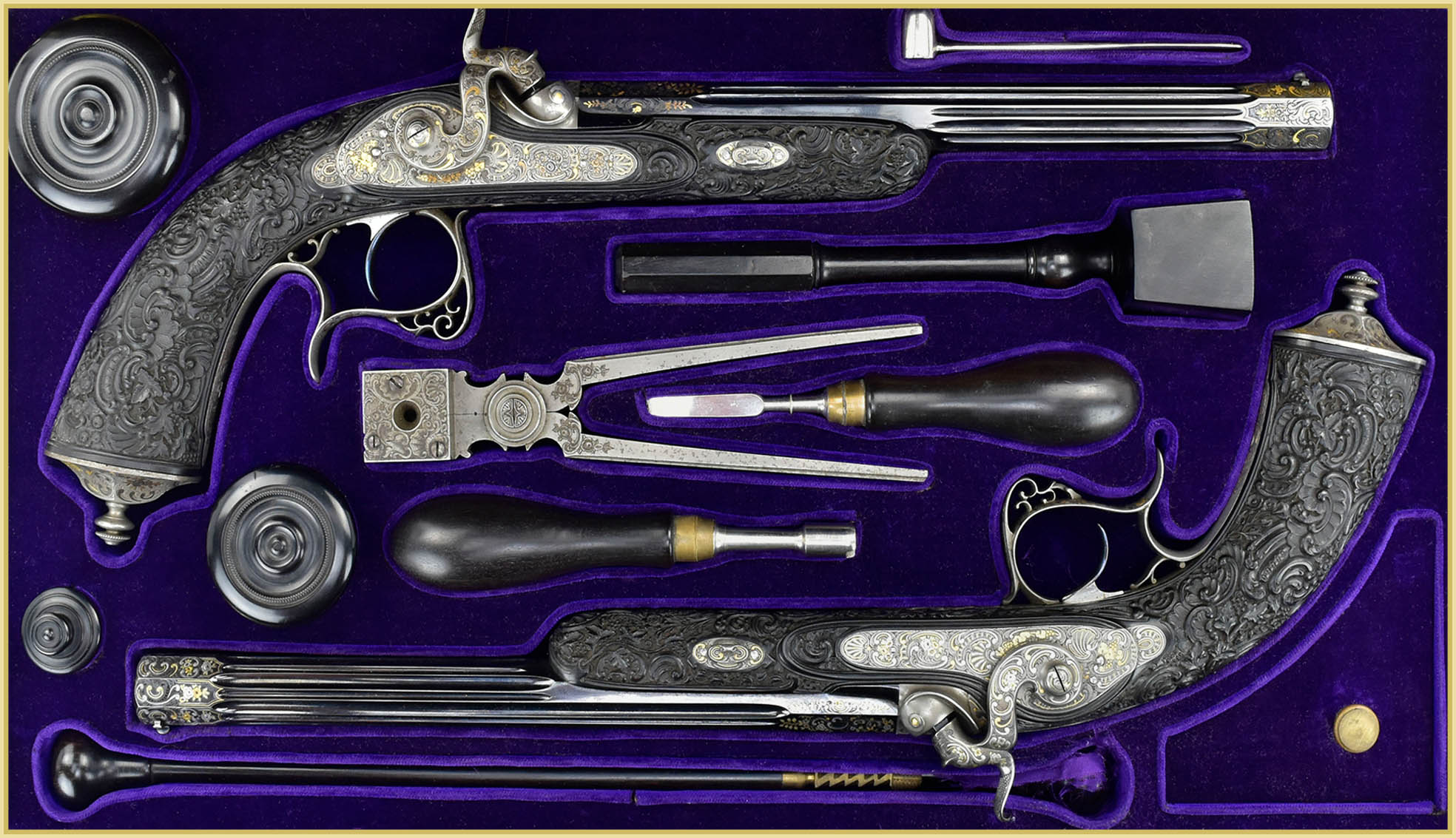
For example, a dedicated gun collector may preserve early service firearms that would otherwise have undergone alteration, disposal, or poor storage. Collectors often specialize deeply, developing expertise that complements institutional knowledge.
Their role is particularly important when:
- Museums lack acquisition funding
- Artifacts exist outside formal donation channels
- Niche or regional items fall outside museum scope
In these cases, private ownership becomes an interim form of preservation.
Preservation Versus Restoration
The most crucial differences in the care of military artifacts are preservation and restoration. The former aims at keeping an item as is, while the latter tries to change it back to a previous state of appearance.
Preservation is the main goal in most museums. They consider the original finish, the wear patterns, and the field modifications as the object’s history. Collectors have different attitudes, but most experienced collectors adhere to the same principles.
Too much restoration can take away:
- Original finishes
- Tool marks
- Evidence of service use
The losses are irreversible and will last forever.
Firearms and the Challenge of Mechanical Artifacts
Military firearms pose special problems. Unlike static objects, they contain moving parts and mixed materials. Wood, steel, springs, and early alloys age at different rates.
Proper care often involves:
- Stabilization rather than disassembly
- Controlled lubrication to prevent corrosion
- Avoiding unnecessary gun repairs that alter originality
For both museums and collectors, restraint is often the most responsible choice.
Documentation as a Form of Preservation
Limiting the worth of an object only to its physical preservation is a mistake. Although museums have many records, collectors still add to them by stating their provenance, acquisition details, and condition changes.
Documentation can be very effective if it includes all the following elements:
- Photographic records
- Ownership history
- Unit or service associations
- Notes on markings and modifications
This information becomes very crucial in establishing historical significance when the items are passed on to another party.
Collaboration Between Museums and Collectors
The relationship between museums and collectors is not competitive. Often, it is cooperative. Loans, research access, and eventual donations help bridge gaps between private and public stewardship.
Collectors often:
- Loan artifacts for exhibitions
- Share specialized knowledge
- Assist with identification and research
Museums, in turn, provide:
- Conservation guidance
- Authentication support
- Long-term public preservation
This exchange benefits the broader historical record.
Why Preservation Matters Beyond Ownership
Military artifacts are the physical representation of human experiences. They serve as a link between a single soldier and the historical happenings of the time. Gradually, without preservation, these links lose their strength.
Collectors with a sense of responsibility realize that possessing such items is just a phase. The real duty lies in being the steward. Only through careful, contextualized, and restrained handling do the objects continue to exist.
FAQs
Do private collectors contribute to historical preservation?
Yes. Many important military artifacts survived because collectors preserved them before museums could acquire them.
Is restoration always a bad practice?
Not always, but unnecessary restoration can permanently remove historical evidence.
Why are original finishes important?
Original finishes show use, age, and manufacturing methods that cannot be recreated.
Can collectors work with museums?
Yes. Loans, research collaboration, and donations are common forms of cooperation.
Conclusion
Capturing military history is a collective duty. Galleries take care of the arrangement, skill, and open access to the public. Hobbyists give us close observation, in-depth knowledge, and proactive action at the time when artifacts are most sensitive. Thus, they ensure not only the preservation of military antiques but also their recognition and honor.
Whether the responsible party is an institution or an expert gun collector using private methods for conservation, preservation always requires informed choices and a long-term mindset. The adoption of proper treatment, having gun repairs done only when necessary, and maintaining precise records are some of the beneficial practices that make the physical account of military history accessible to future generations.