History of Antique Firearms: Key Eras and Design Evolution
Antique guns shows the evolution of weapons, materials, craftsmanship, and design needs. For instance, prior to the shift to mass production, gunsmiths were meticulously crafting firearms to meet the specific needs of the local market, enhancing them through experience-based knowledge rather than theoretical understanding. This procedure led to the emergence of certain features that collectors and historians alike now study.
Comprehending antique firearms history offers a more comprehensive perspective on individual items. It indicates that design was based on the era’s limitations and aspirations and explains why some mechanisms appeared and others disappeared.
Early Hand Cannons and Matchlock Beginnings
The late medieval ages brought firearms to Europe in their most primitive form. For all intents and purposes, the first-hand cannons were simply very basic metal tubes, roughly aimed and shot with the help of an external flame. The precision of these early cannons was extremely low; however, the concept still brought about a significant and irreversible change in warfare.
The most significant invention for the weaponry was the lock fire system.
The slow-burning match was first used for baking powder; then, it was simple to handle and fire, and the number of shots fired could be more than one. Although matchlocks worked the same way but were very inconvenient at the time, they did take the use of well-trained troops and uniform drilling to the next level.
Guns of this era were made for function, not looks. Most of the gun parts were produced manually, which caused significant differences even among the same models.
Wheel-Lock Innovation and Mechanical Complexity
The wheel-lock mechanism brought in mechanical ignition, which resulted in the spring-driven wheel making sparks instead of an open flame. It was possible to carry guns with powder and ball inside without the necessity of an open match, and this made them convenient for horsemen and civilians.
Nevertheless, wheel-locks were costly and very complicated. Their elaborate systems needed very skilled craftsmen and continuous servicing. Therefore, wheel-locks were often associated with wealthy or high-class individuals rather than the armies that used the guns in large quantities.
Collectors today appreciate the wheel-lock guns for their technical complexity and scarcity.
The Flintlock Era and Widespread Adoption
The flintlock ignition device was a faithful, simple, and multipurpose tool that kept the market largely unmoved from the 17th century up to the early 1800s. The main changes that contributed to “the long-lived” products of that era were:
- Higher lock reliability
- The military models being standardised
- More attention paid to balance and handling
Firearms of that time have undergone a transformation from being experts’ instruments to common tools. The combination of local materials and the artists’ cultural background shaped new regional styles. Many of the most valuable antique firearms emerged during this period.
Percussion Systems and Industrial Transition
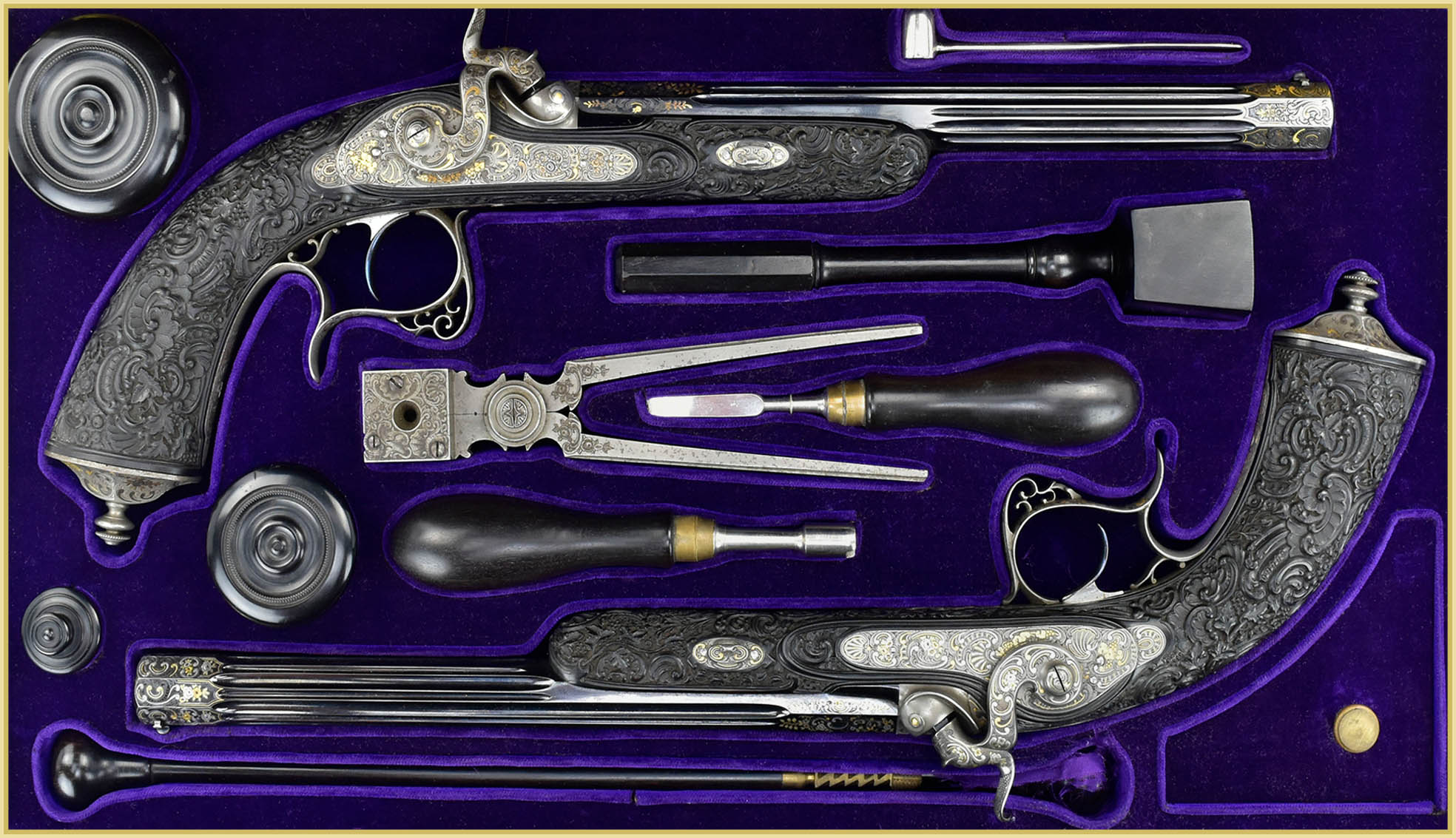
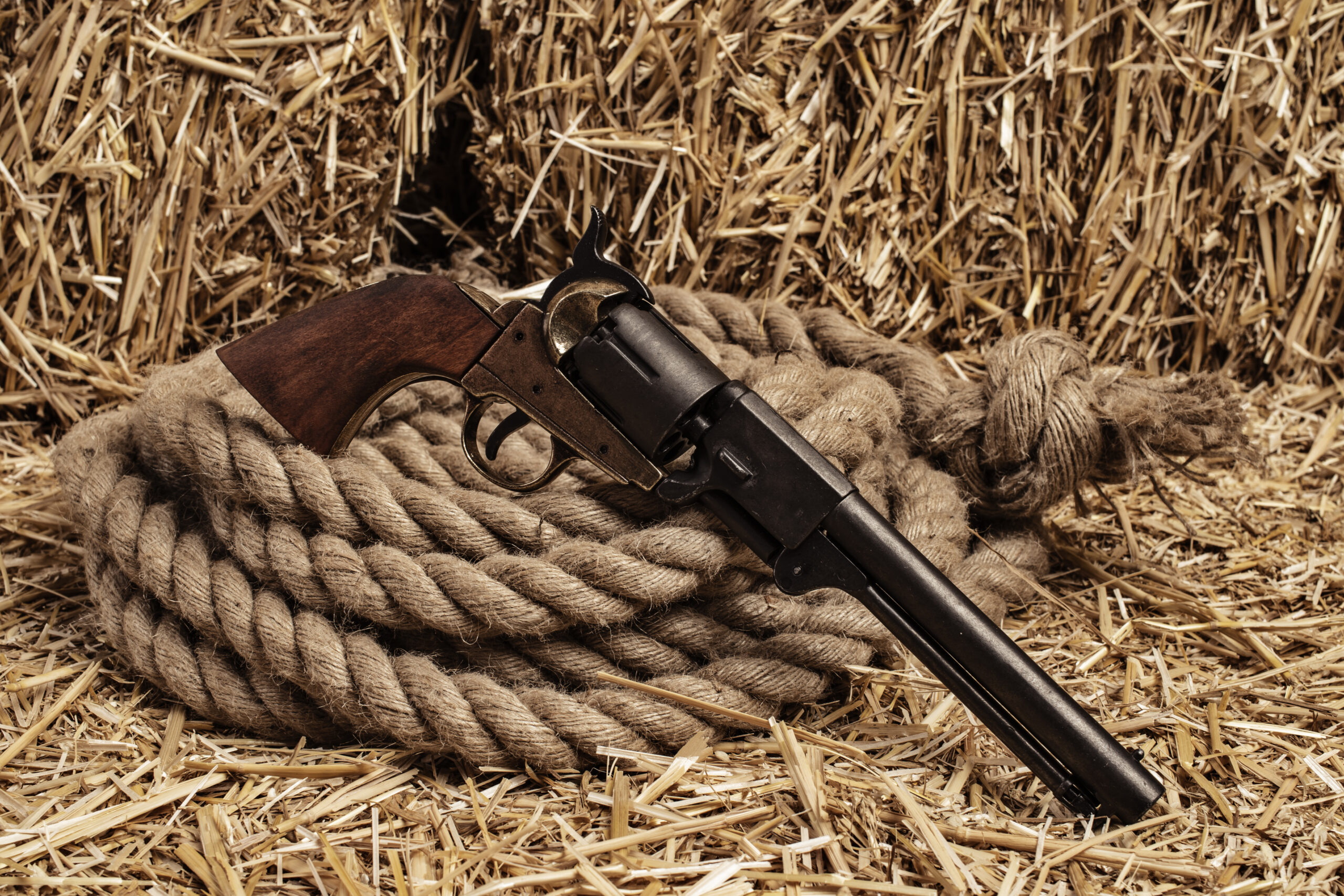
The percussion system replaced flint with impact-sensitive caps, significantly improving reliability in wet or windy conditions. This change coincided with early industrial manufacturing methods.
Designs became more uniform, and interchangeable parts slowly entered production. Firearms from this era often bridge the gap between handcrafted antiques and modern manufacturing.
Collectors often view percussion-era firearms as transitional pieces, combining old techniques with emerging industrial precision.
Early Cartridge Firearms and the End of the Antique Era
The advent of self-contained cartridges revolutionized the entire concept of firearms. Loading became quicker, safer, and more efficient. The installation of breech-loading devices ended the use of muzzle-loading systems and enabled the production of repeating firearms.
Despite being a remnant of the past, early cartridge firearms marked the end of the classic antique style. It was then that firearms took a strong and definite step towards the application of modern engineering principles.
Why Historical Context Matters to Collectors
Knowing the development of a design provides a lot of help to the collectors in judging the factors of authenticity, originality, and significance. Without historical background, individual characteristics become meaningless.
Collectors who are trying to find out the history and the way the item was made are still relying on the same essential resources: trustworthy references, museum records, and established gunshop documentation.
FAQs
What defines an antique firearm?
Antique firearms are generally defined by age and manufacturing method, often predating modern cartridge systems.
Why are flintlock firearms so common in collections?
Flintlocks were widely produced and used for centuries, making surviving examples more available.
Are all antique firearms handmade?
Most early firearms were handcrafted, though later examples show early industrial influence.
Does design evolution affect value?
Yes. Rarity, historical significance, and originality tied to the design era often influence value.
Conclusion
The history of antique firearms is a gradual story of refinement that, apart from necessity, craftsmanship, and innovation, influenced the process to the very end.
Each period, from early hand cannons to cartridge-era transitions, left features that characterize the collectible firearms of today. Knowing the antique firearms’ history helps the collectors not only to distinguish between the surface details but also to understand how the mirror of design evolution reflects broader historical change.
For collectors who want nothing but accurate historical insight, reliable gun shops near me and renowned dealers such as Collectors Firearms are still important sources of information about the origin, design, and context of the firearms. Contact us Today.