Safe Preservation Methods for Antique Weapons and Historical Artifacts
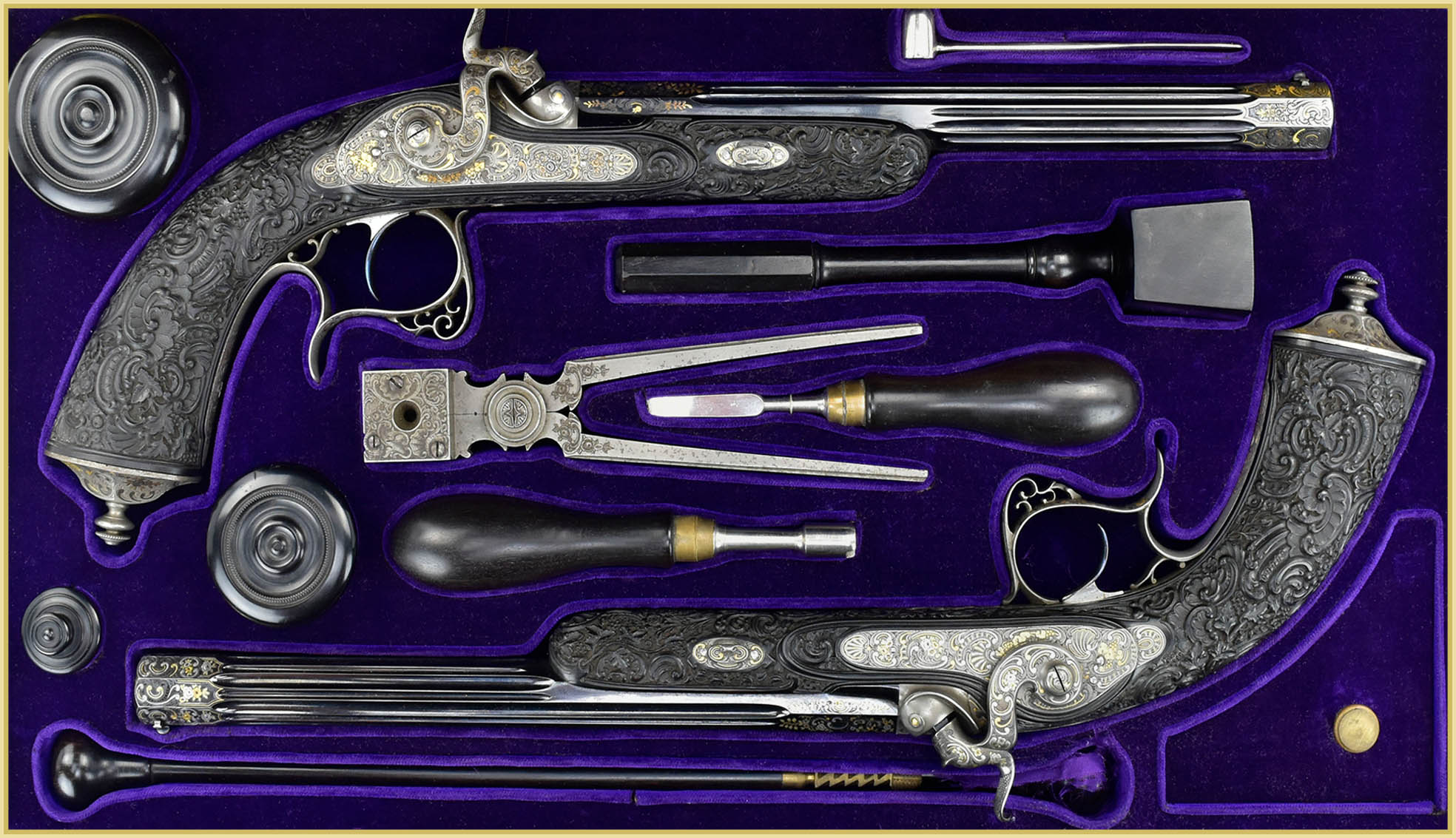
Antique weapons are not just old objects. They are physical records of craftsmanship, conflict, and culture. Whether displayed privately or stored as part of a long-term collection, these items require thoughtful care. Improper handling or storage can quietly erase details that have survived centuries.
Effective antique weapon care focuses on preservation rather than perfection. The goal is not to make an artifact look new but to protect its original materials, finishes, and mechanical integrity for future generations.
Why Antique Weapons Require a Different Approach
Modern firearms are meant to be used frequently and maintained regularly. In contrast, ancient armory requires a fundamentally different approach. The period, materials, and techniques used to make weapons have historically made them very sensitive to environmental changes and handling errors.
Among other materials, early steel alloys played a key role in the manufacturing of numerous antique weapons. Likewise, hand-fitted components are included as well as natural wood stocks, which were finished with oils or shellac. Other high-quality materials, including early steel alloys, also played a significant role in the production of numerous antique firearms.
The reaction of these materials to environmental issues like humidity, temperature changes, and modern cleaning products is not the same. Knowing those differences is the first step toward artefact preservation.
Proper Storage Conditions Matter More Than Cleaning
The most typical damage to old firearms occurs gradually, and not suddenly, from one day to the next. Changing levels of humidity and temperature, for instance, lead to the gradual shrinking On the other hand, the swelling of wood and metal parts will eventually become oxidized without notice.
To avoid such damage, antiques should be stored under the following conditions:
- Stable temperature with minimal fluctuation
- Controlled humidity, ideally between 45% and 55%
- Limited exposure to direct light
- Proper airflow around stored items
Using lined storage cases or display cabinets designed for historical objects minimizes environmental stress.
Handling Antique Weapons Safely
Moving an antique weapon every time means possible damage. Oils from human skin can corrode the metal and stain the wood finishes.
When handling is necessary:
- Use clean and dry hands or cotton gloves.
- Never put metal on rough surfaces.
- Always support the whole weapon, not only the stock.
Adopt these small habits to minimize irreversible wear and tear.
Cleaning Without Compromising History
Cleaning antique weapons requires patience. Over-cleaning an item from the past is one of the quickest ways to lower its value.
Some instructions in general are:
- Dust off the surface very carefully with the help of soft cloths
- Stay away from materials that are too hard
- Do not polish the metal surfaces that are original.
- Avoid sanding or finishing the wood on stocks.
Collecting people usually queries the preservation of antique guns in ways that do not harm them. The reply is often less cleaning, not more, and only when it is necessary to interfere.
When Restoration Should (and Should Not) Be Considered
Restoration is a matter that divides the collectors’ community. Structural restoration may sometimes be done, but cosmetic restorations usually result in the loss of authenticity.
Instances that might warrant restoration:
- Elements getting detached and losing their support
- Degradation process going on that cannot be controlled by proper storage
- Breakdowns that make safekeeping dangerous.
On the other hand, when it comes to antique guns, restoration for aesthetics can sometimes mean the loss of the original finish, tooling marks, and character of the gun from a historical standpoint.
In case of uncertainty, it is highly recommended to consult a specialist who is proficient at historical arms.
Protecting Wood and Metal Components Together
Antique firearms rarely consist of one single material and therefore need that care which is evenly divided among the materials. Wrong treatment of one material may result in the other being spoiled.
Points of concern:
- Do not use oils or solvents that can penetrate the wood
- Metal parts should always be kept with slight protection from moisture
- Keep an eye on the wood for any indications of loss of moisture or breaks
Choose preservation products that are meant specifically for historical artifacts, not for modern sporting equipment.
Documentation Is Part of Preservation
Preservation is not just a matter of providing physical care. The proper documentation prevents the loss of historical context. Collectors should keep:
- Provenance records
- Acquisition details
- Condition notes over time
- Photographic records
As the artifacts grow older and pass through generations, the information becomes increasingly valuable.
FAQs
What is the biggest mistake in antique weapon care?
Over-cleaning or refinishing original surfaces permanently removes their historical value.
Should antique firearms be stored loaded or unloaded?
They should always be stored unloaded for safety and long-term preservation.
Can modern gun oils be used on antique weapons?
Most modern products are not recommended, as they can damage older materials.
Is restoration ever reversible?
Most cosmetic restoration is not reversible and should be approached with caution.
Conclusion
Antique weapon preservation is an endeavor that requires a lot of patience and respect for history. Proper storage methods, careful handling, and minimal intervention help keep the weapons in their original condition and character. The knowledge of how to preserve antique guns includes the ability to tell the right moment not to act and what to do.
Collectors who are mainly concerned with responsible antique weapon care and who make informed decisions about whether to restore antique firearms should work with specialists who have the necessary expertise in historical arms. Collectors Firearms supports preservation practices that uphold authenticity while at the same time protecting these important pieces of history for the future.
Contact us Today.