Common Mistakes People Make When Restoring Old Guns
Common Mistakes When Restoring Old Guns
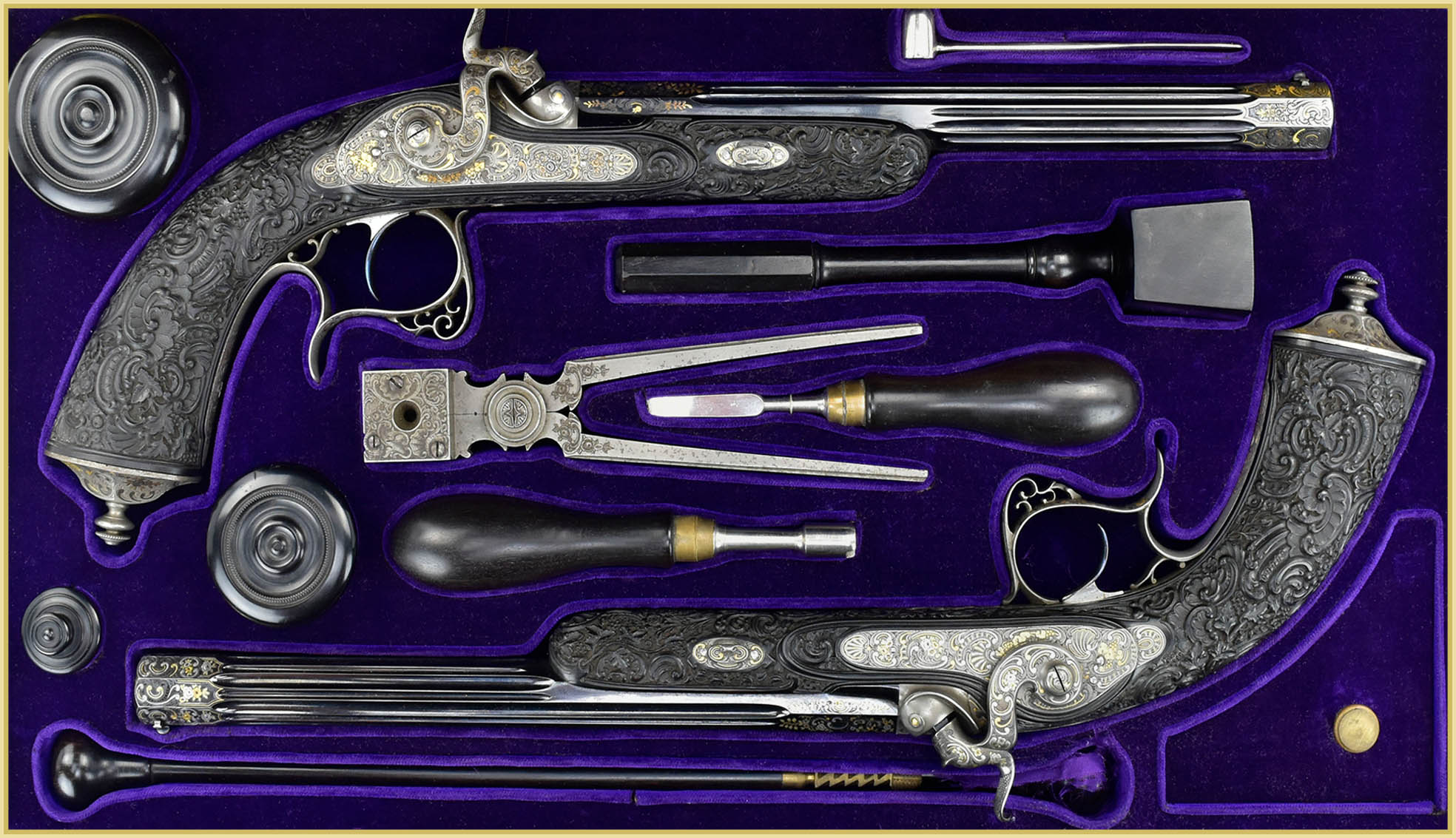
Restoring old firearms can, by all means, give great satisfaction. There is something about bringing a dose of history into modern times, especially when you are dealing with Antique Firearms that have sat in obscurity for decades. Restoration is not about shining metal and doing wood refinishing. One wrong step can strip all historical value from a piece, impair the mechanics, or convert it into an utterly worthless showpiece.
These common incorrect methods in restoration, if picked up earlier, will save an experienced collector or a first-time restorer with lots of money and anguish. Let’s examine the most common mistakes and corrective remedies.
1- Over-Restoring and Losing Historical Value
Over-restoration happens to be one of the greatest mistakes an enthusiast can make. It feels right to buff, sand, and refinish every part until it looks like it’s just been produced in a factory.
But, in terms of Antique Firearms, a whole lot of restoration takes away the originality of the weapon and drastically reduces its value. A collector needs patina, original finishes, and authentic wear because these are the things that tell the history of the firearm.
Sanding away original markings or even bluing to “clean it up” is something that may, in fact, be destroying proof marks, serial numbers, and manufacturer for details that are of utmost historical authenticity. Real preservation efforts do not seek to make things perfect. A real preservation attempt is gently cleaning, stopping rusting, and mending just enough to keep something standing.
2- Ignoring Legal Responsibilities
While restoring antique firearms, particularly if one intends to make lawful sales at the end of the process, one must consider several things concerning the modifications that may change the legal identification of a firearm. For instance, changes in barrel length, straightening a stock, or modifying the trigger mechanism without knowing what the law states will snag about your restoration in legalities.
3- Using the Wrong Tools and Techniques
Another common mistake is to simply start a restoration with generic tools or DIY methods gleaned from the net. These older firearms, particularly those considered delicate enough to be classified as Antique, require specific attention and care. If one uses a power sander or steel wool, or even something a bit too harsh chemically, it may damage finishes, lead to structural weakness, and then render the firearm unsafe to fire.
Go for professional gunsmithing tools intended for fine precision work. If you are unsure about the disassembly or the repairs, research a bit or consult a professional. Countless times first-timers have stripped screws, popped springs, and bent parts simply because they underestimated how complicated old mechanisms could really be.
4- Skipping Documentation and Provenance
Restoration is not just about the gun itself- it is about preserving its history. One grave error is not documenting the gun’s original condition before commencing work. Taking photographs, creating written notes, and obtaining paperwork for the gun’s original state are invaluable. Not only does this document direct the restoration, but it can be used to build a definite claim if you ever want to set the gun out for sale.
When it comes to selling guns online or through a dealer, buyers favour transparency. A clean, clear record concerning what was restored, what was replaced, and how things looked before sells trust and can even uplift prices for your firearm. Transparency is indeed a crucial factor in linking documentation to eventual safe and legal gun sales.
5- Neglecting Legal Considerations When Selling
After restoring your firearm in a perfect manner, you may decide that it is indeed time to part with it. However, learn and understand how to sell a gun legally before putting it up for sale. For instance, selling firearms safely across state lines usually necessitates the use of a Federal Firearms Licensee (FFL). Illegal shipment of weapons can spell serious legal trouble.
Again, if you are selling gun online, make sure that the sale complies with state and federal laws. This normally includes the shipment of the firearm to a dealer having a license in the state of the buyer, where the buyer completes a background check. If the firearm fulfils the criteria of being an antique under federal law, the restrictions will differ; however, state regulations must be checked with care.
Final Thoughts
Restoration of old firearms isn’t just another pastime; it is a responsibility. Each antique tells a story, and, in this light, restoration is the transmission of the story through time into the future generation.
Should a decision be made to sell your restored gun, be sure that you have learned all about the gun-selling laws and abide by these regulations in whatever form of selling is decided upon, be it online or through more traditional means, to sell your guns. The time taken into doing things the right way will complement your restoration, leaving it as successful as it was at the beginning stages.
We believe that at Collectors Firearms, good and responsible restoration goes hand in hand with flawless legal compliance. With the right knowledge, a little patience, and painstaking detail, one can restore historic firearms without taking away their very essence.